Places in Northampton
-
Barrett Street Marsh Conservation Area
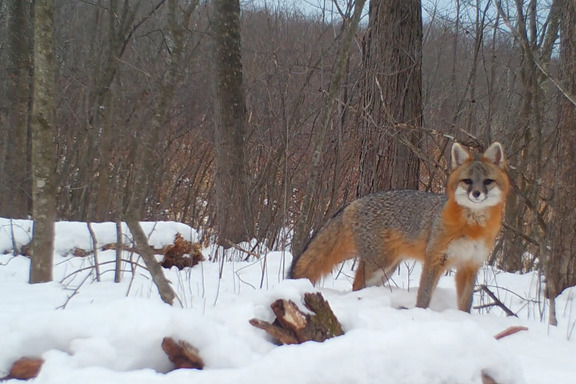
This 25-acre plot of wildness, with a 200-year history of ditching, draining, filling, and clearing, now supports a diversity of plants and animals. See videos of wildlife.
-
Bay State Village
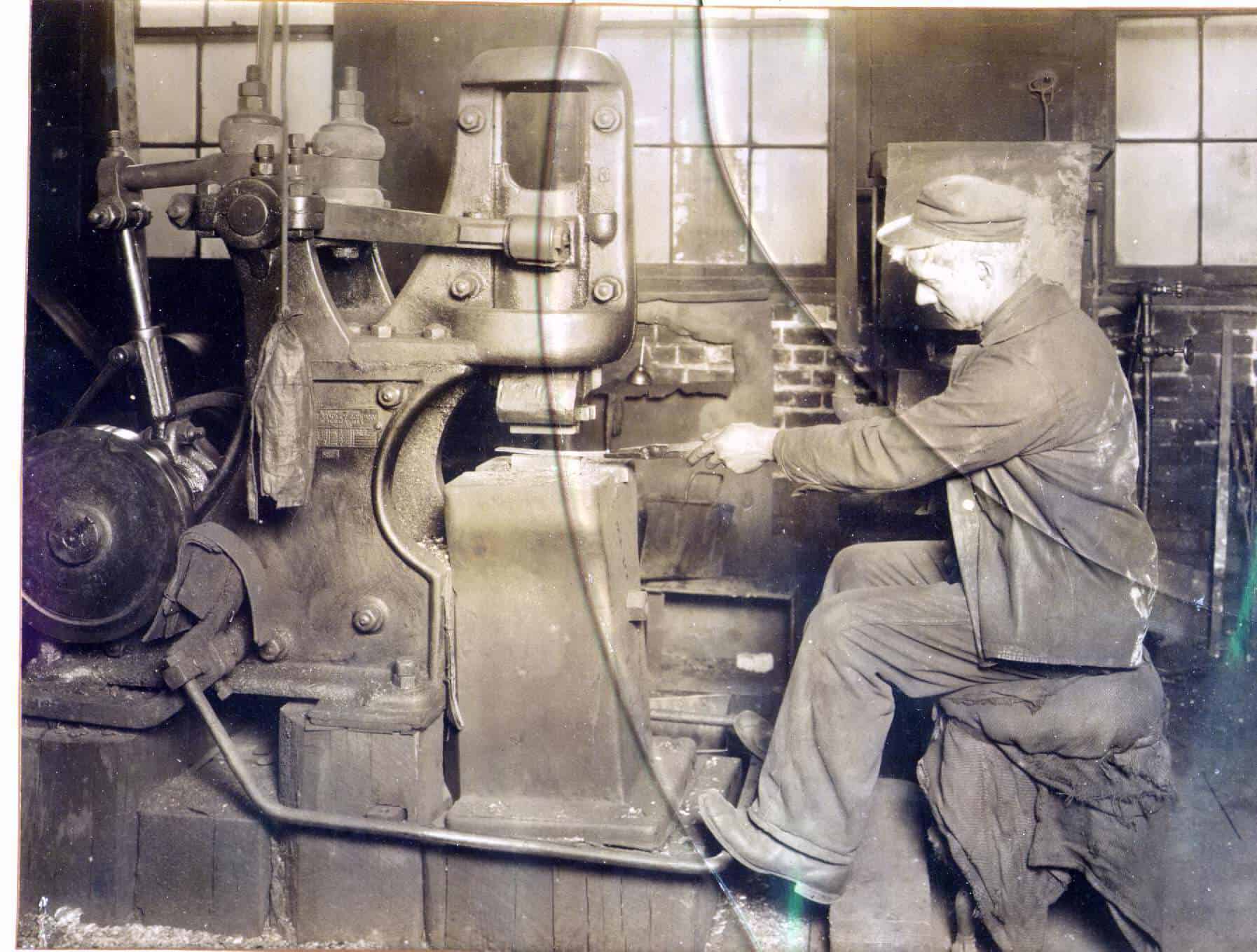
Bay State Village is a small industrial community along the Mill River where paper and cutlery factories flourished.
-
Clarke Schools for Hearing and Speech
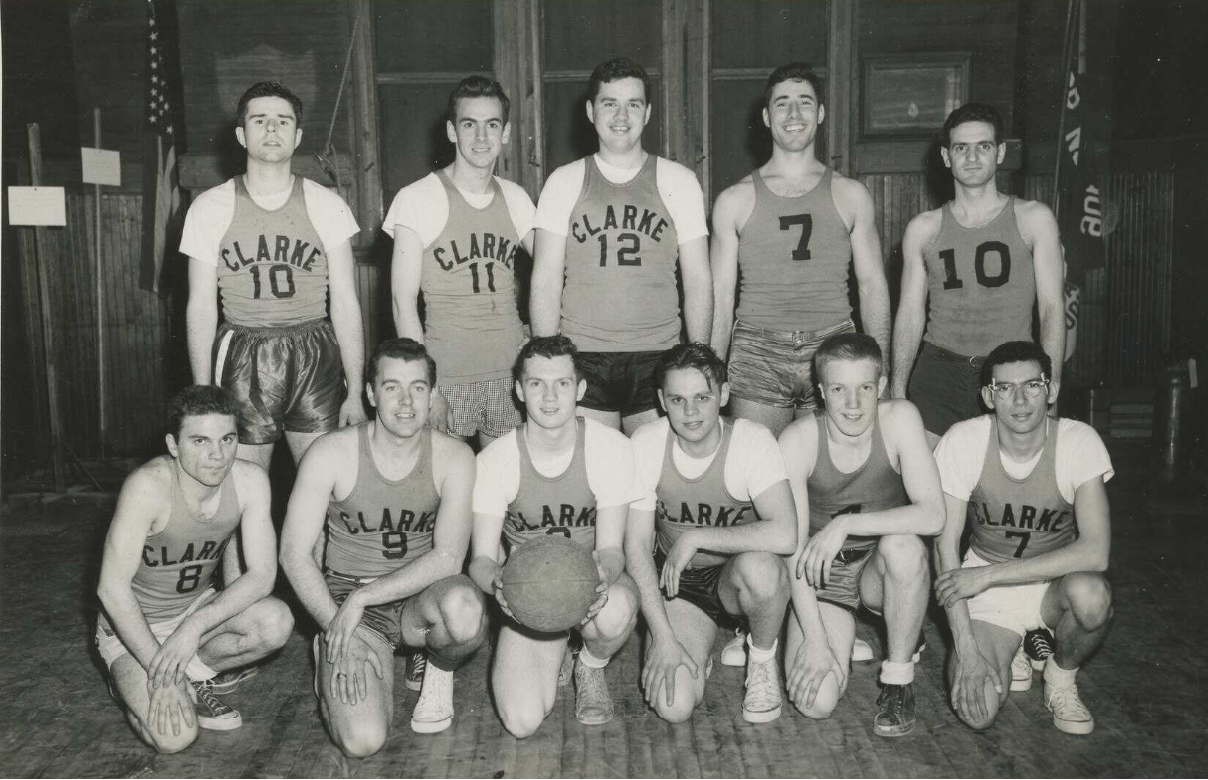
Clarke School, which opened in 1867 as the Clarke School for Deaf Mutes, was an ardent and early supporter of oralism.
-
Damon House
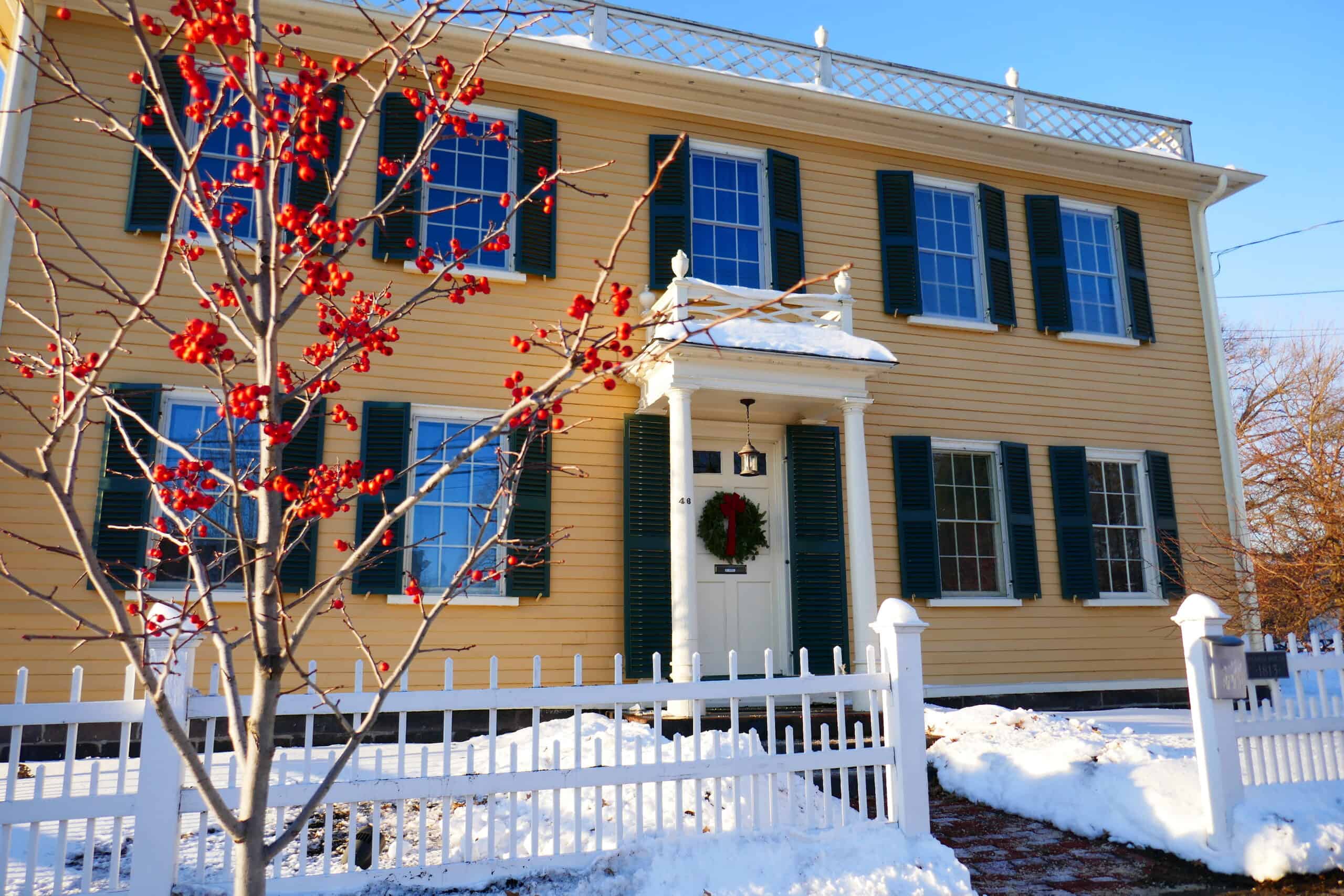
Early 19th-century architect-builder Isaac Damon built the house at 46 Bridge Street in 1813 for his family. It is now the home of Historic Northampton.
-
Fitzgerald Lake Conservation Area
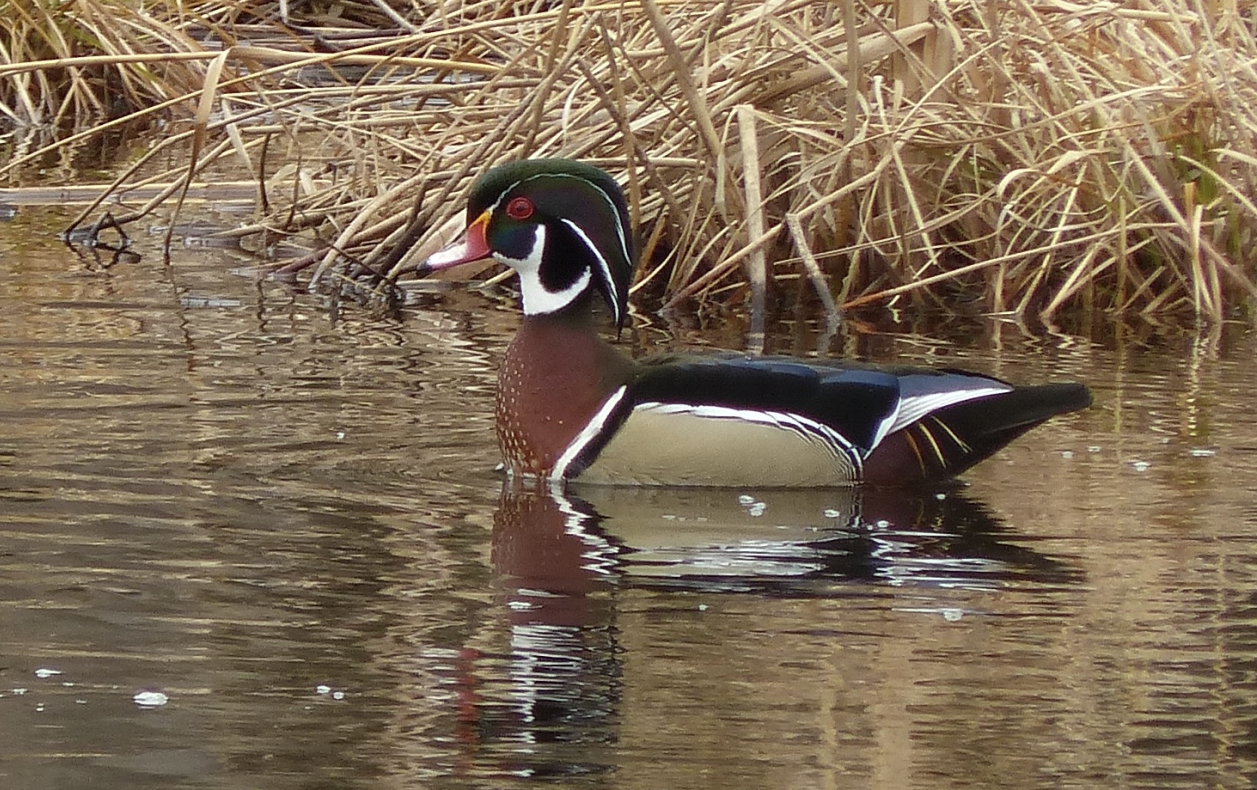
The area encompasses nearly 1,000 acres and includes miles of trails, a diversity of habitats, and a place to paddle and fish. See videos of wildlife.
-
Florence Downtown
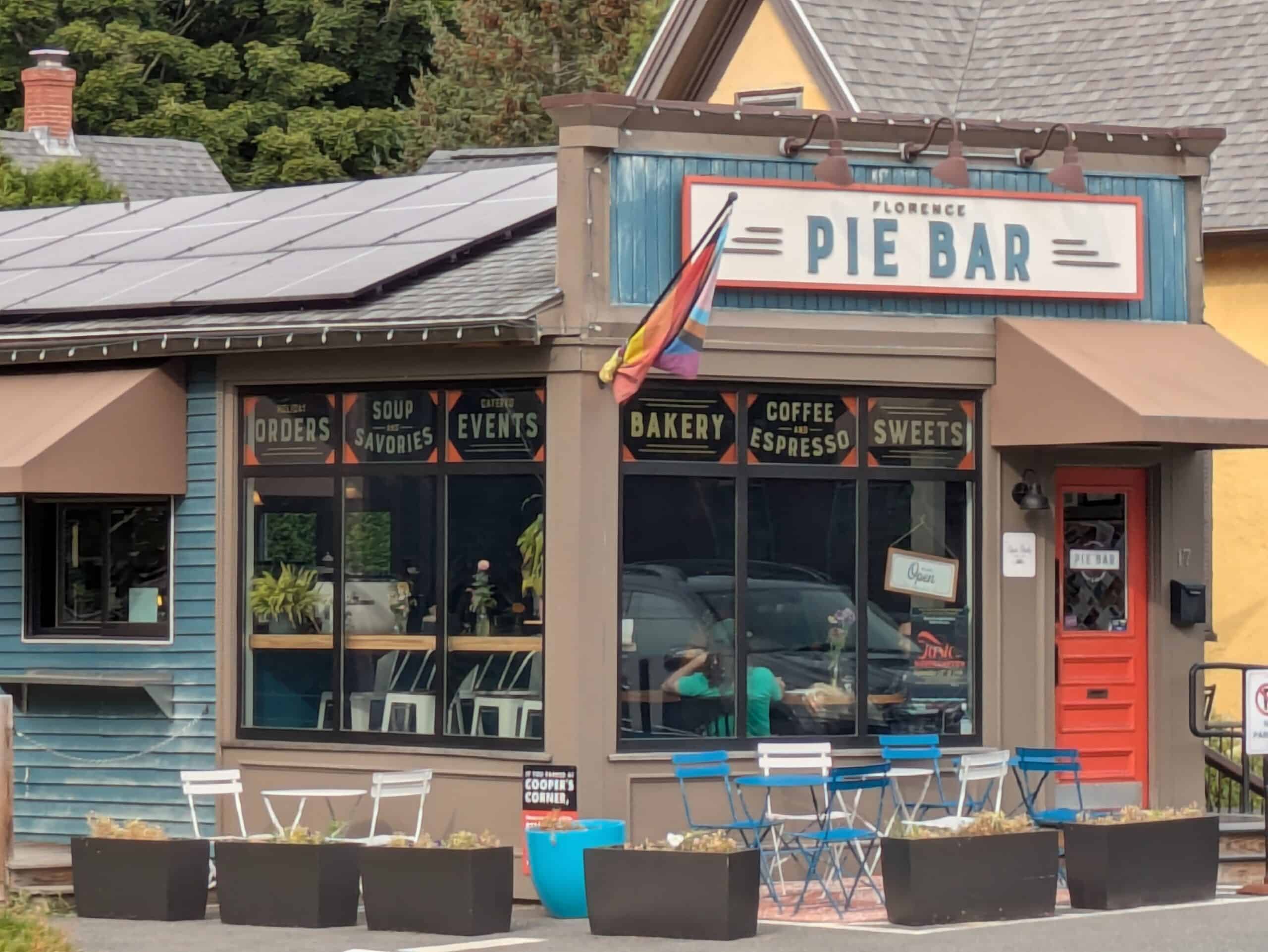
Florence’s history as a thriving industrial center can be seen in the village today.
-
Leeds
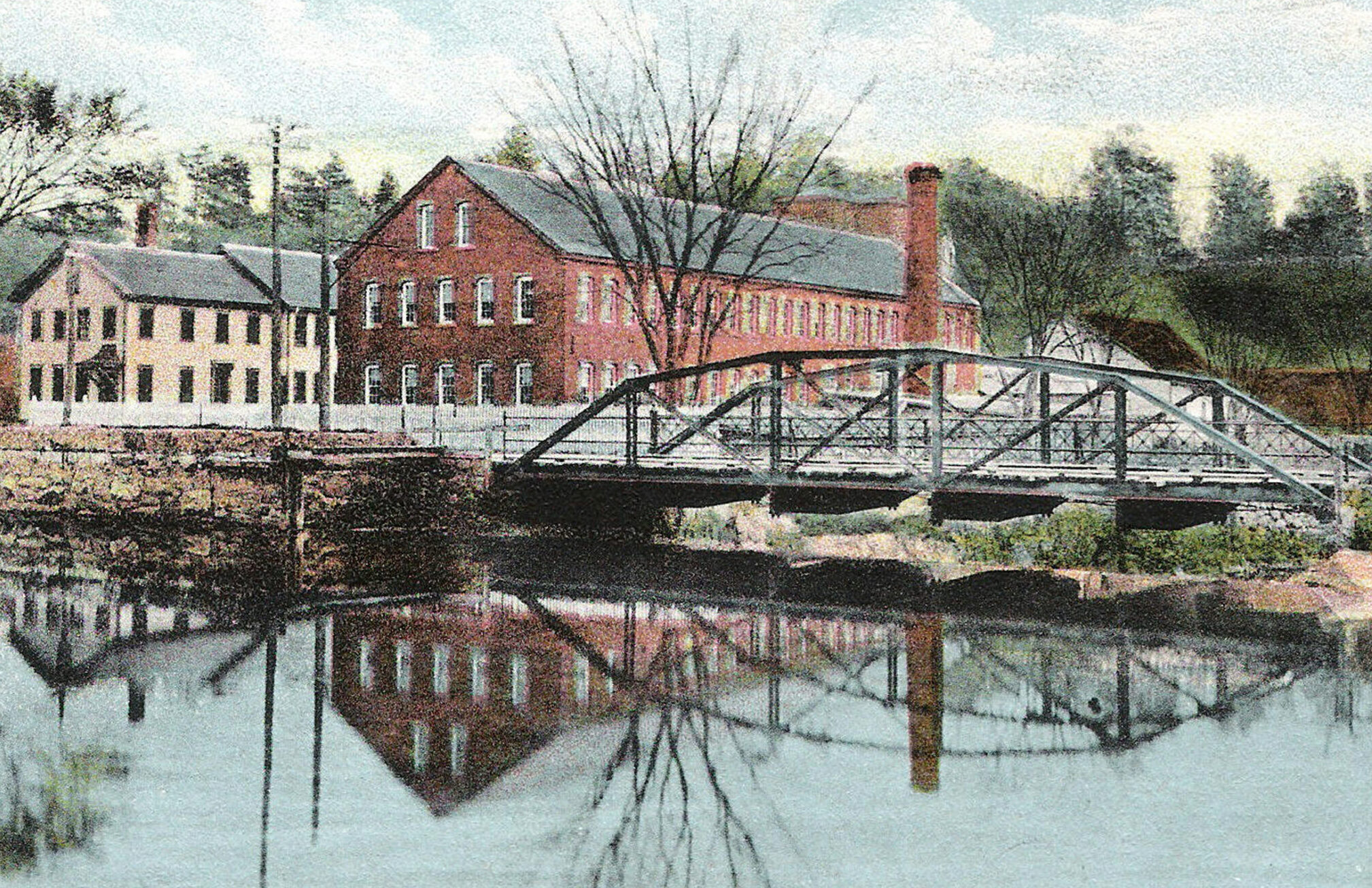
Leeds was once a manufacturing village where buttons and silk thread were made with power from the Mill River.
-
Loudville
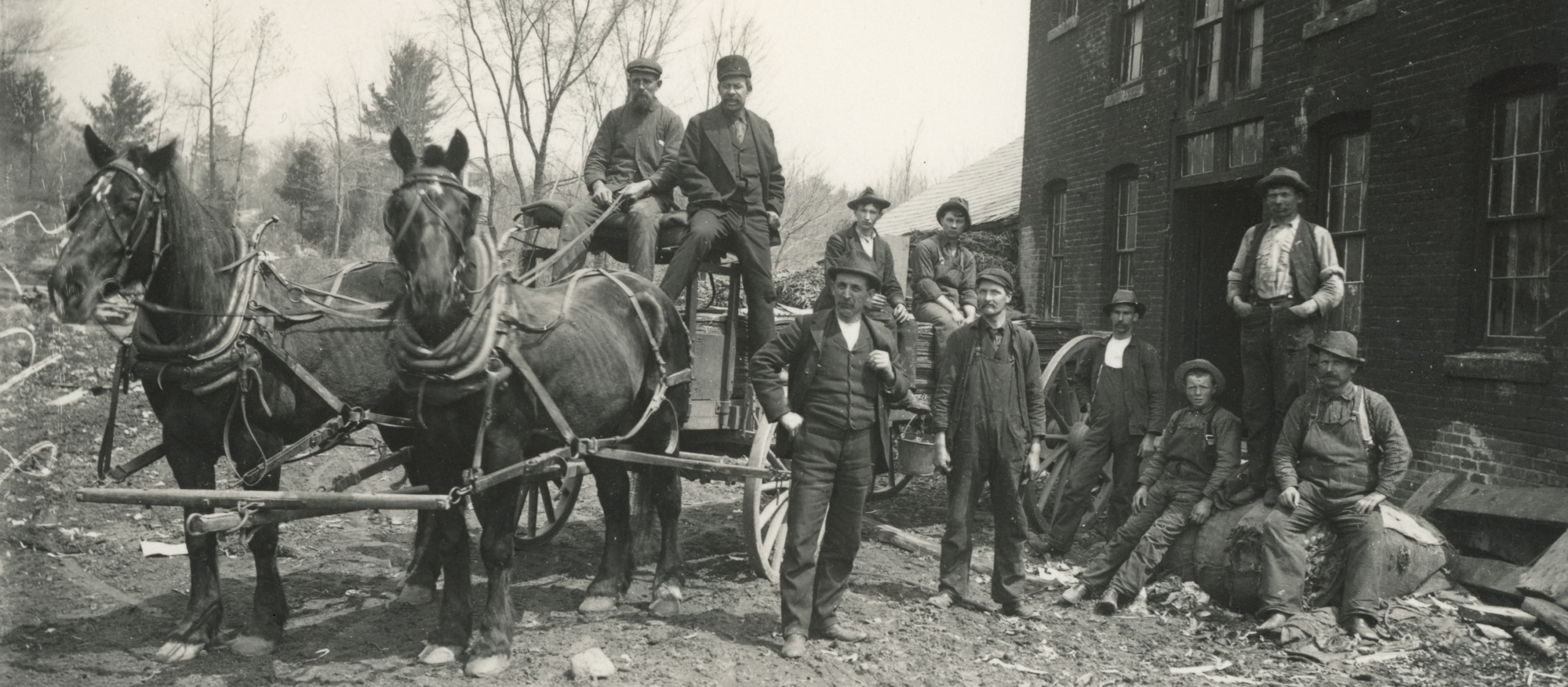
Loudville is a hamlet along a tributary of the Manhan River where mills and factories hummed from the early 18th to early 20th centuries.
-
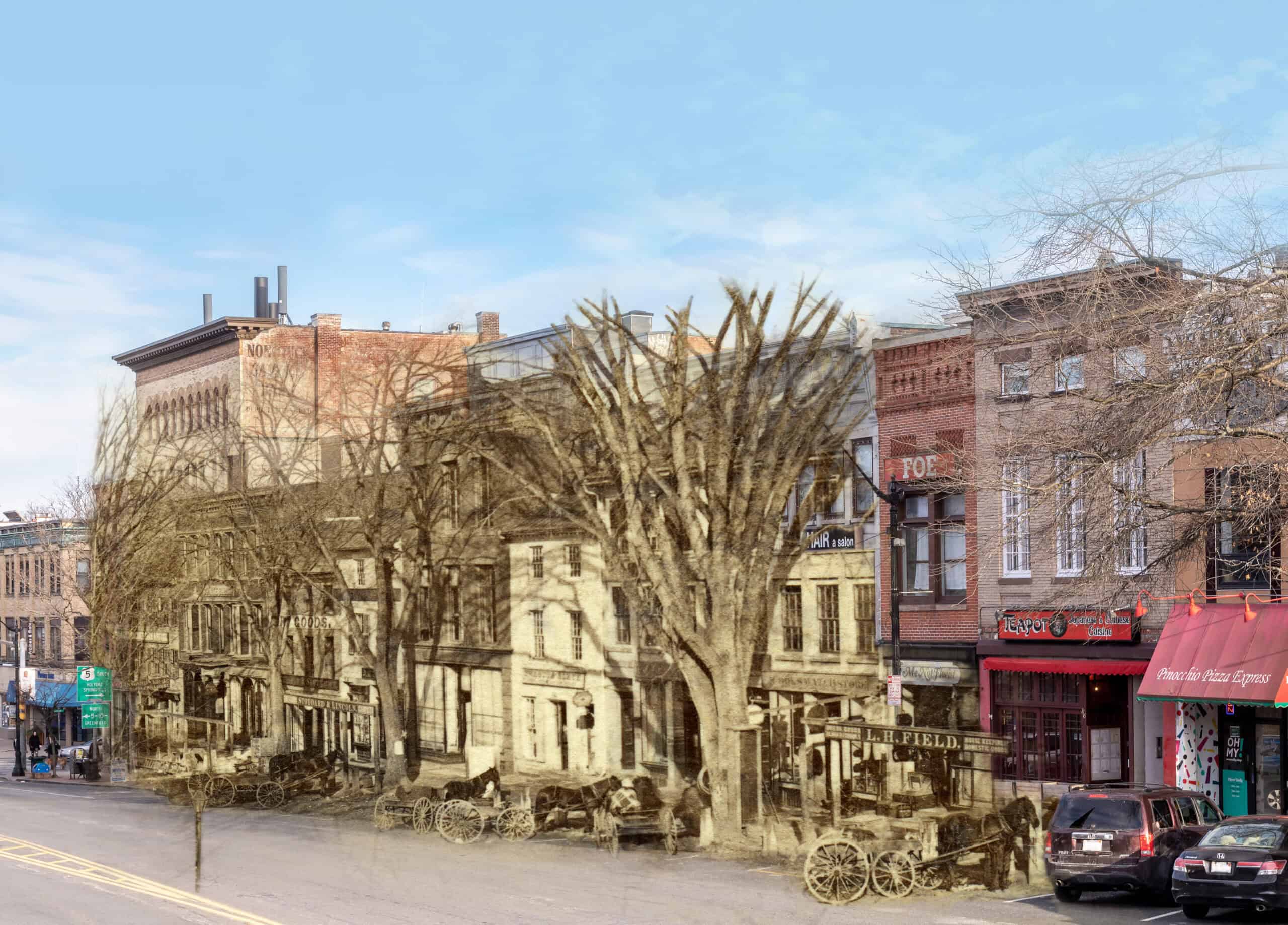
Main Street (Then & Now)
Look at side-by-side photos of Main Street buildings, taken 100 years ago (or more) and today.
-
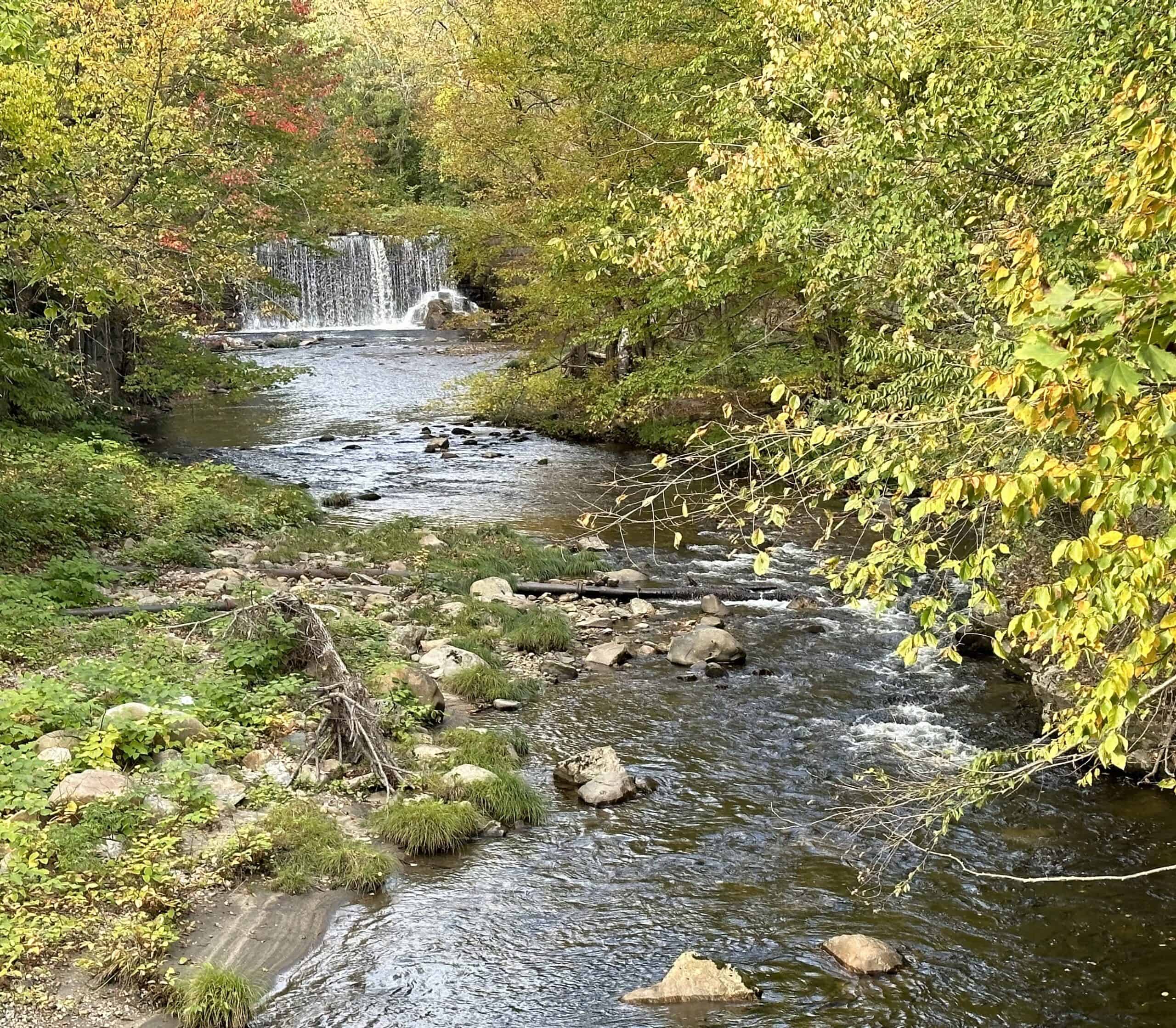
Mill River
The Mill River has shaped Northampton from the time Native people called it Pawagonnick, through the waterpower industrial age of the 19th century to today.
-
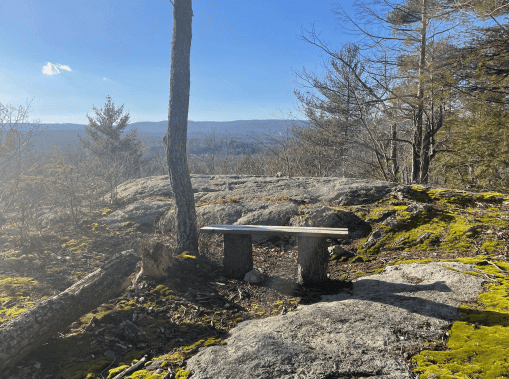
Mineral Hills Greenway
Mineral Hills incorporates former pastures and a quarry. It includes 500 acres of forested hillsides, wetlands, and beaver ponds. See videos of wildlife.
-
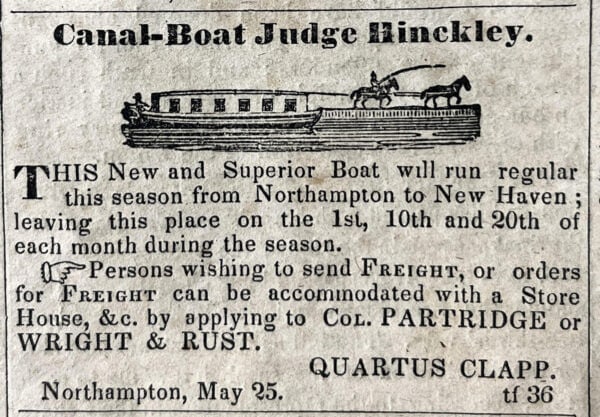
New Haven – Northampton Canal
From 1835 to 1847, a canal operated from New Haven to Northampton entering downtown Northampton along South Street and State Street, then known as Canal Street.
-
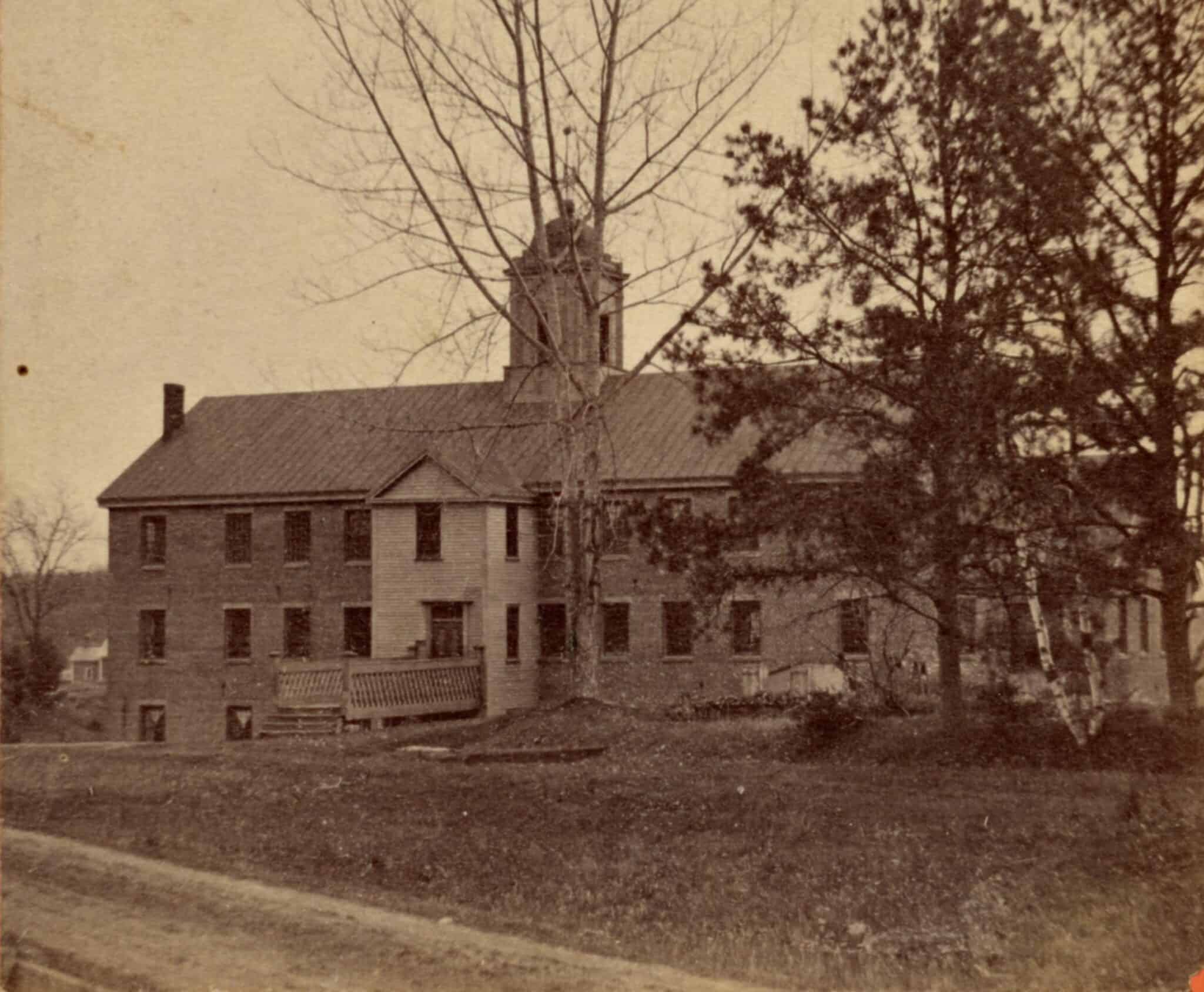
Northampton Association of Education and Industry
NAEI was an intentional community (1842–1846) within the village of Florence that modeled cooperative work and life in a society with social, gender, and racial equality.
-
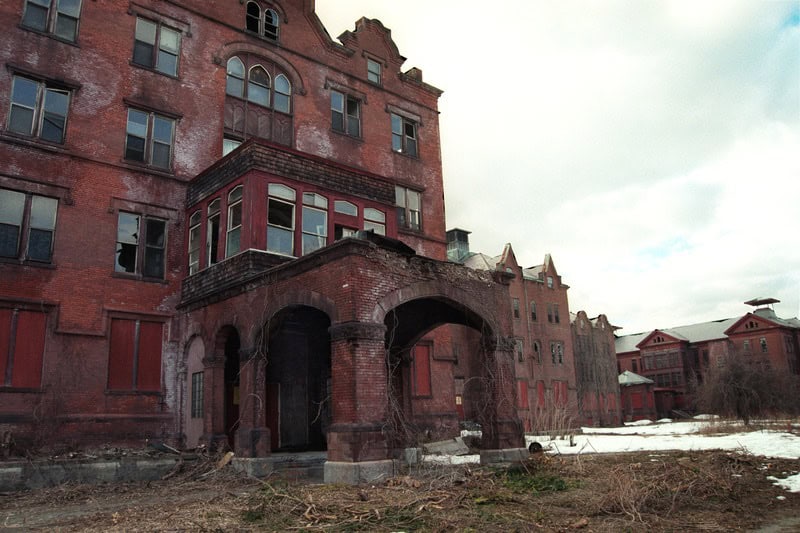
Northampton State Hospital
Opened in 1858 as a bucolic place to cure mental illness, the treatment degraded until the hospital closed in 1993.
-
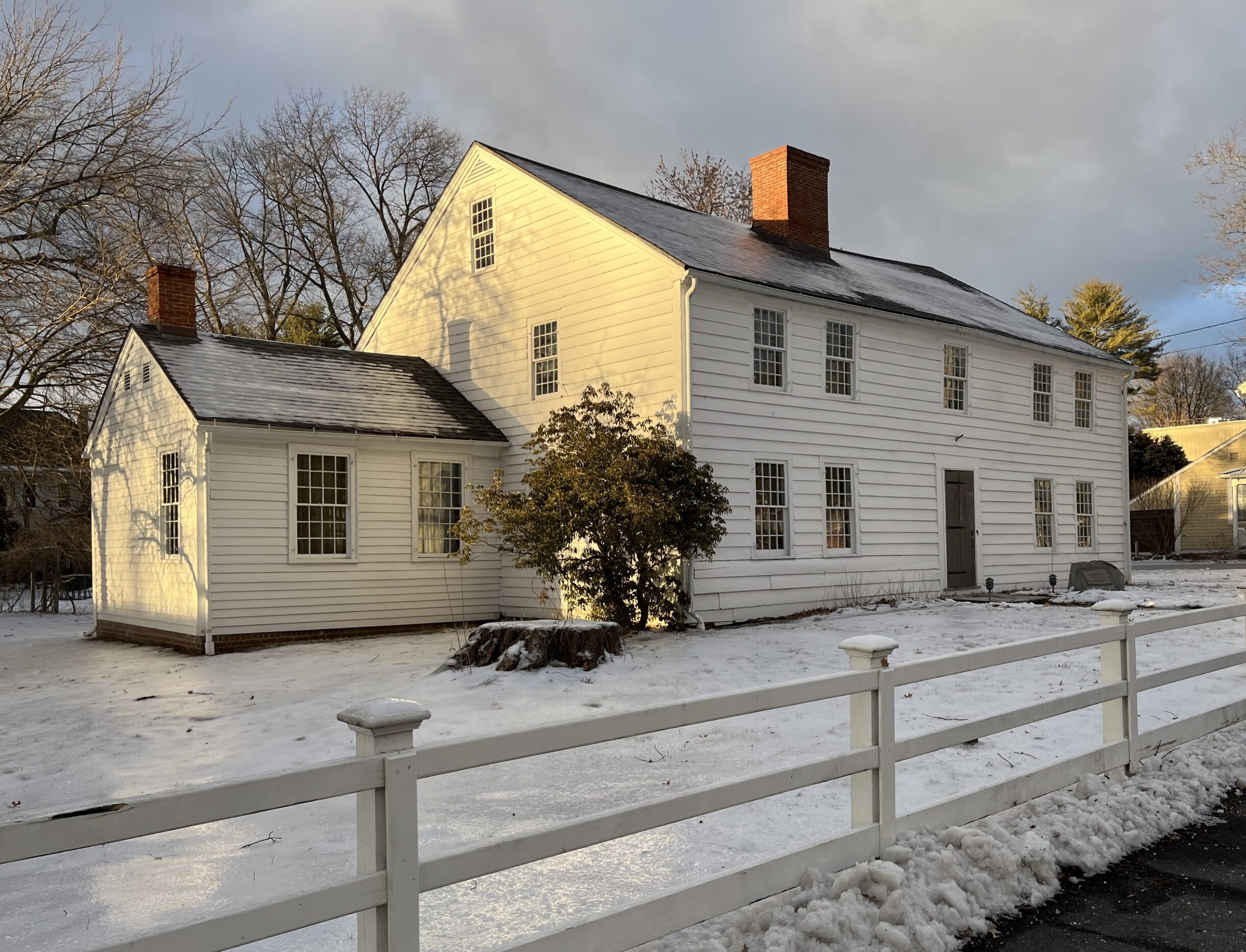
Parsons House
Parsons House was built in 1719 on its present site. It is one of Historic Northampton’s three historic houses.
-
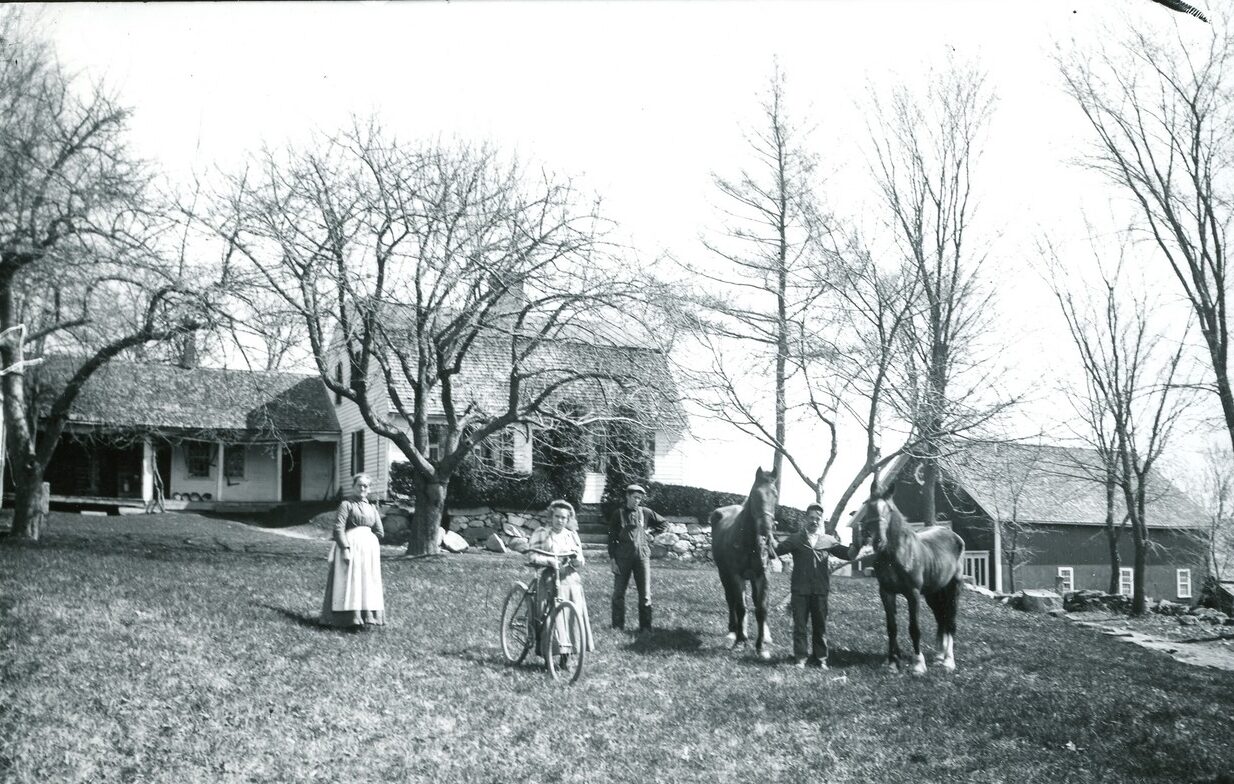
Roberts Meadow
For more than 100 years, the village of Roberts Meadow was a bustling hamlet of agricultural and industrial activity.
-
Sawmill Hills Conservation Area
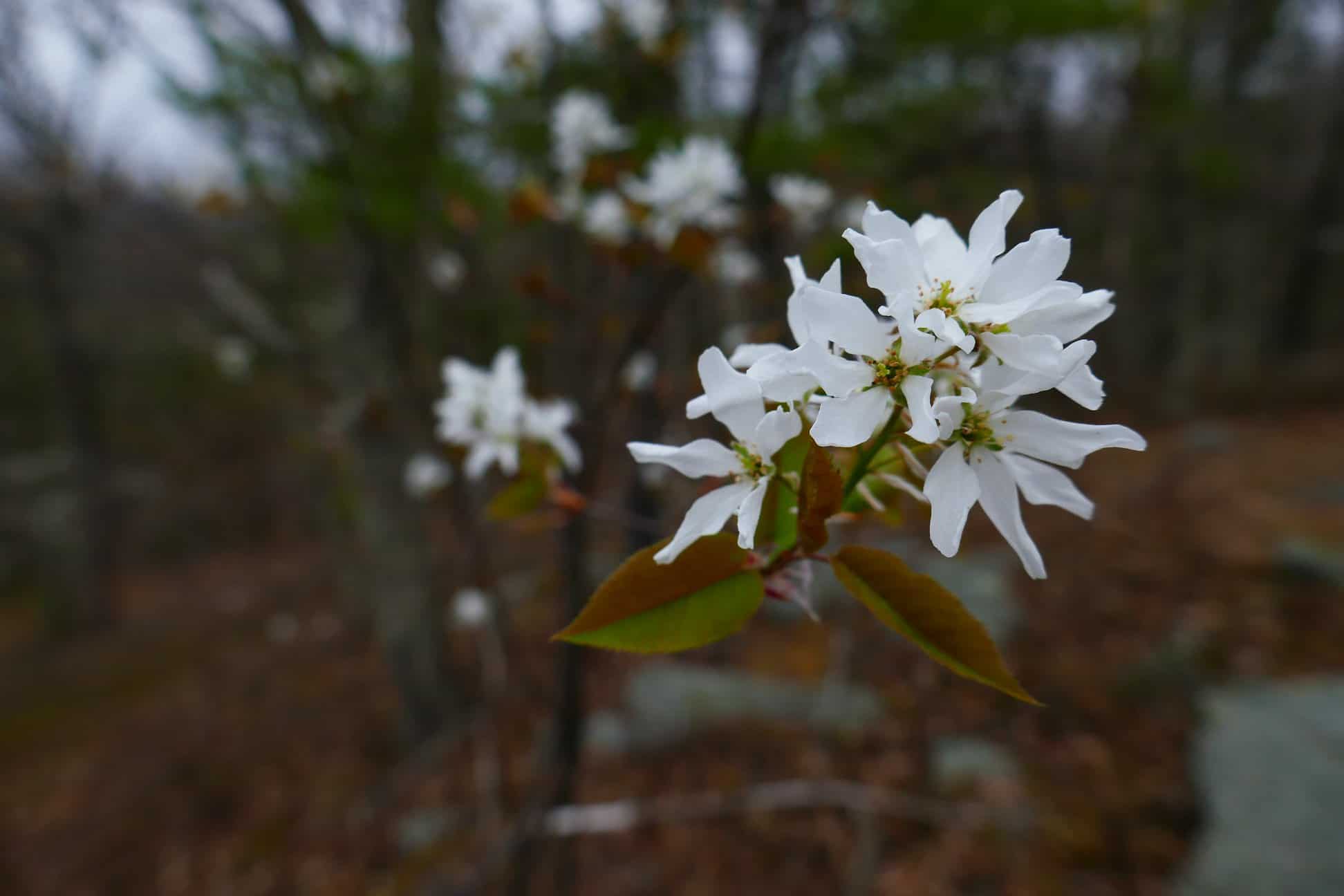
Sawmill Hills, named for the 19th-century sawmill run by the Bartlett family, encompasses roughly 2,200 acres. See videos of wildlife.
-
Shepherd Barn
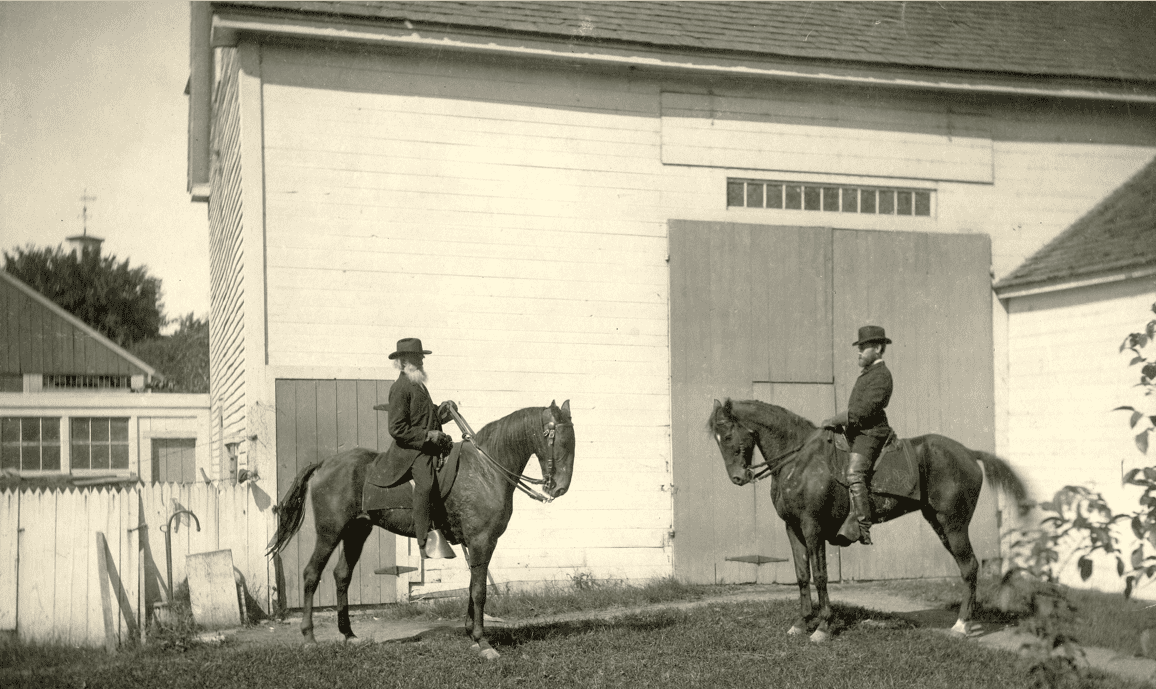
Built in 1805 and restored in 2023, Shepherd Barn is now a performance and community space.
-
Shepherd House
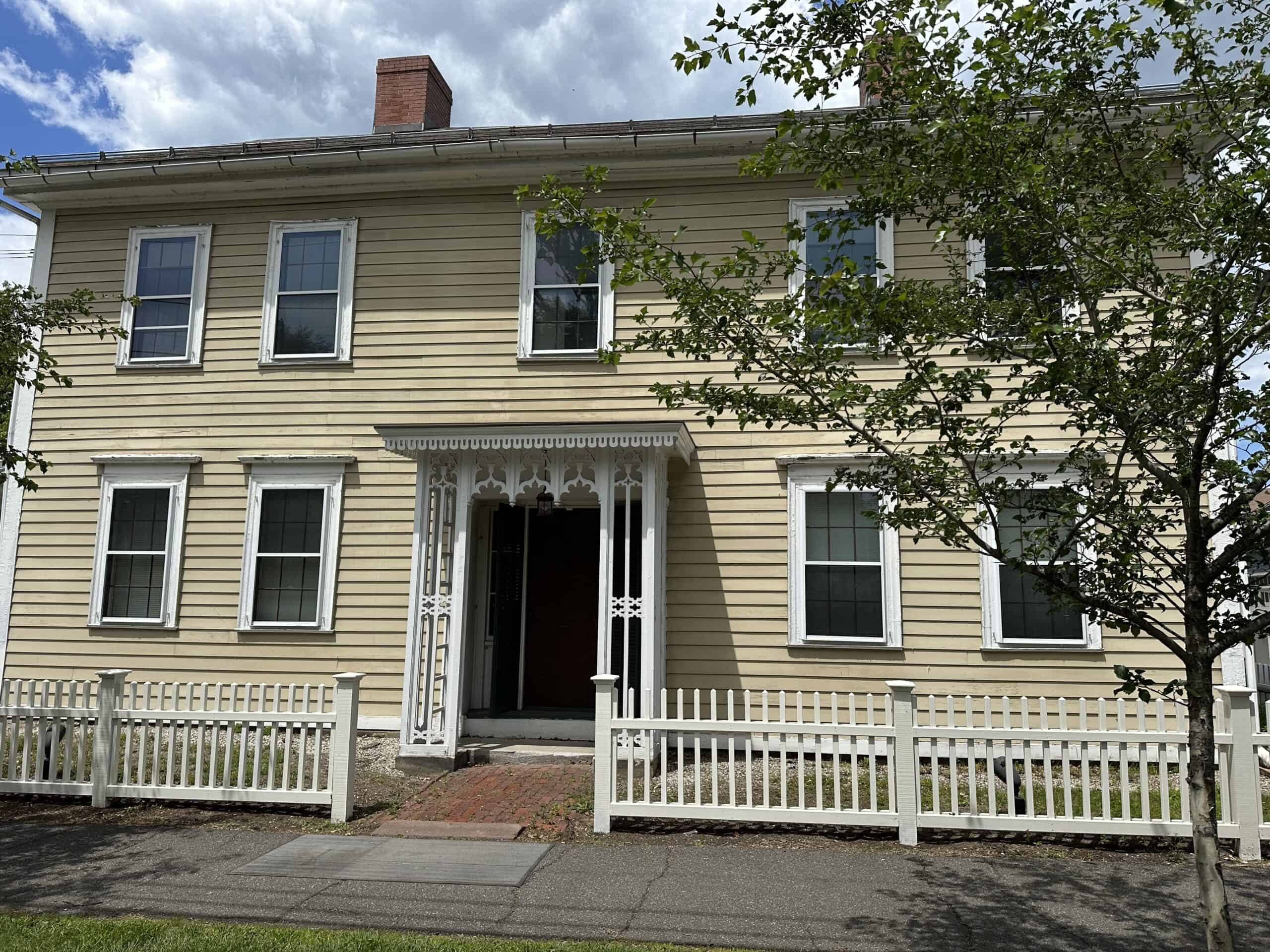
Built in 1798, it occupies the same location and footprint at 66 Bridge Street, with the exception of its front and side porches. It belongs to Historic Northampton.
-
The Belt
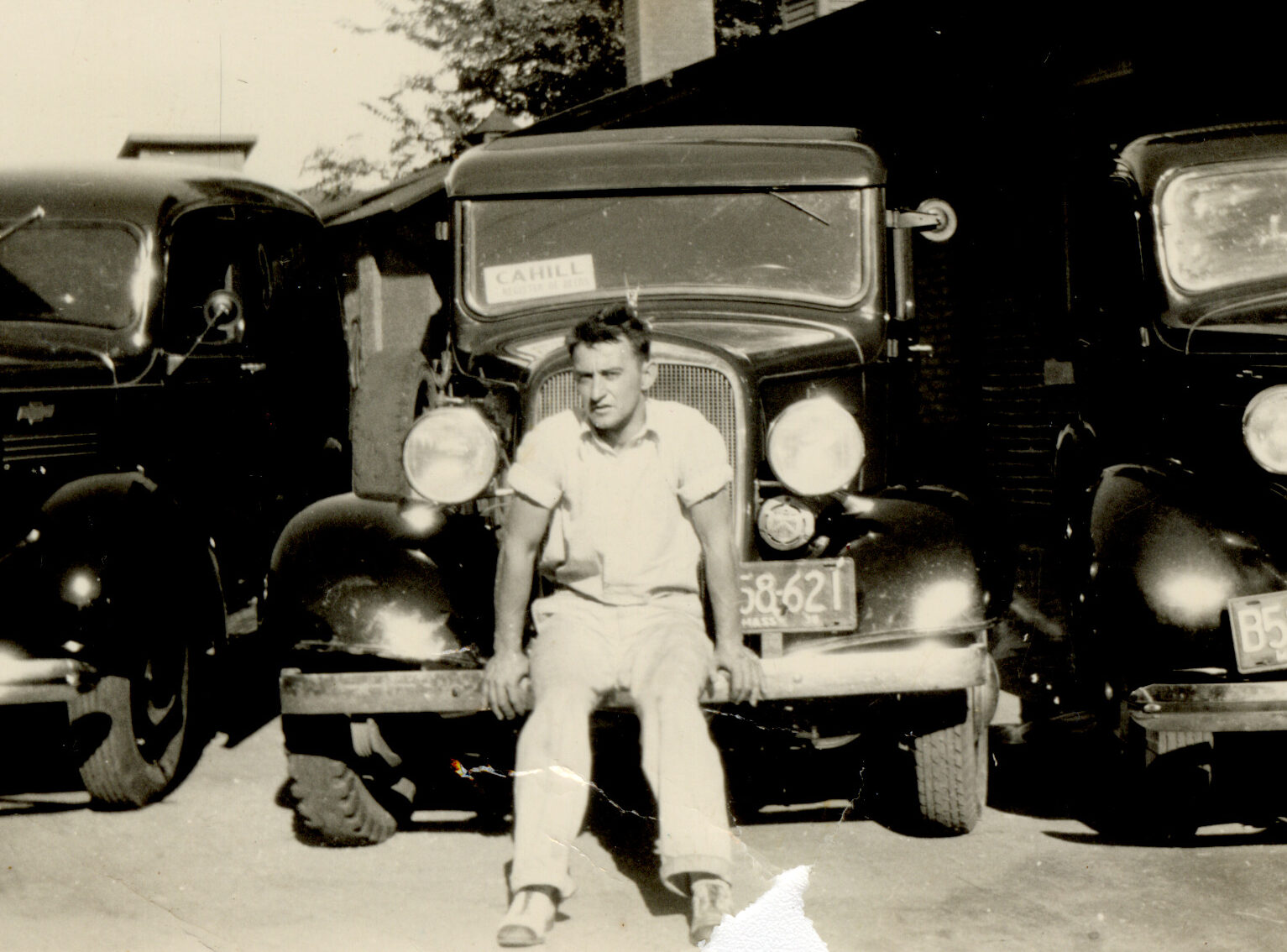
The author reflects on this section of town where working people lived, including his own family.
-
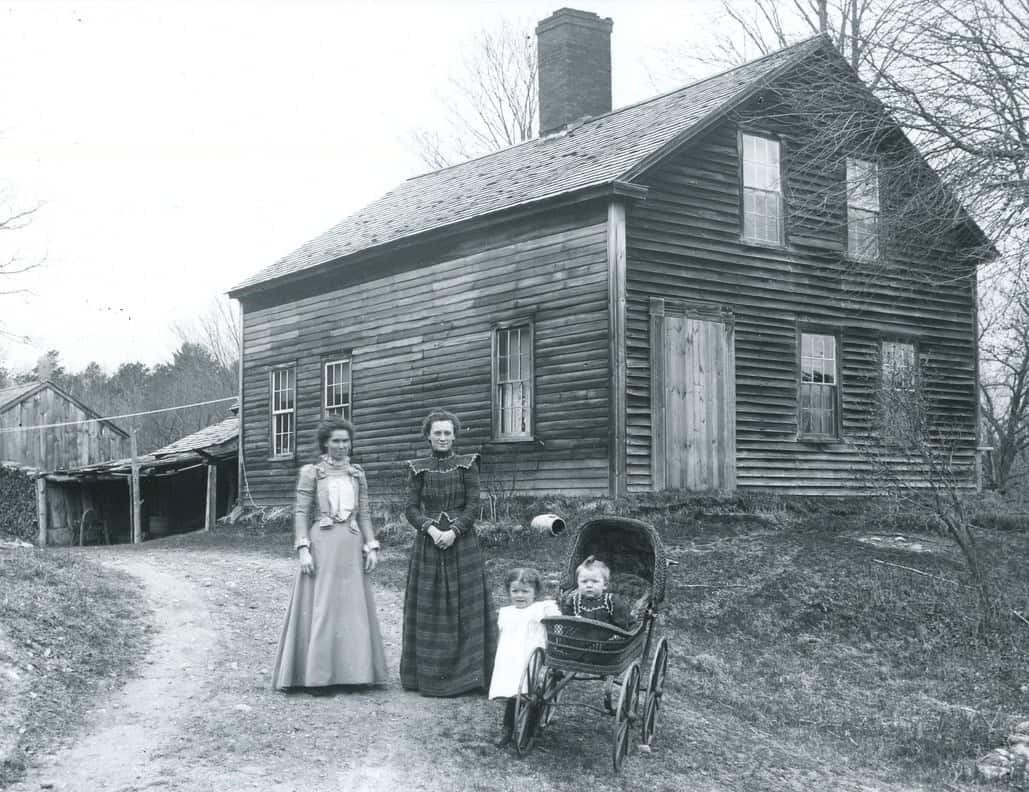
West Farms
West Farms is a section in the western area of Northampton with one of the oldest Methodist meetinghouses in the Valley.