Roberts Meadow
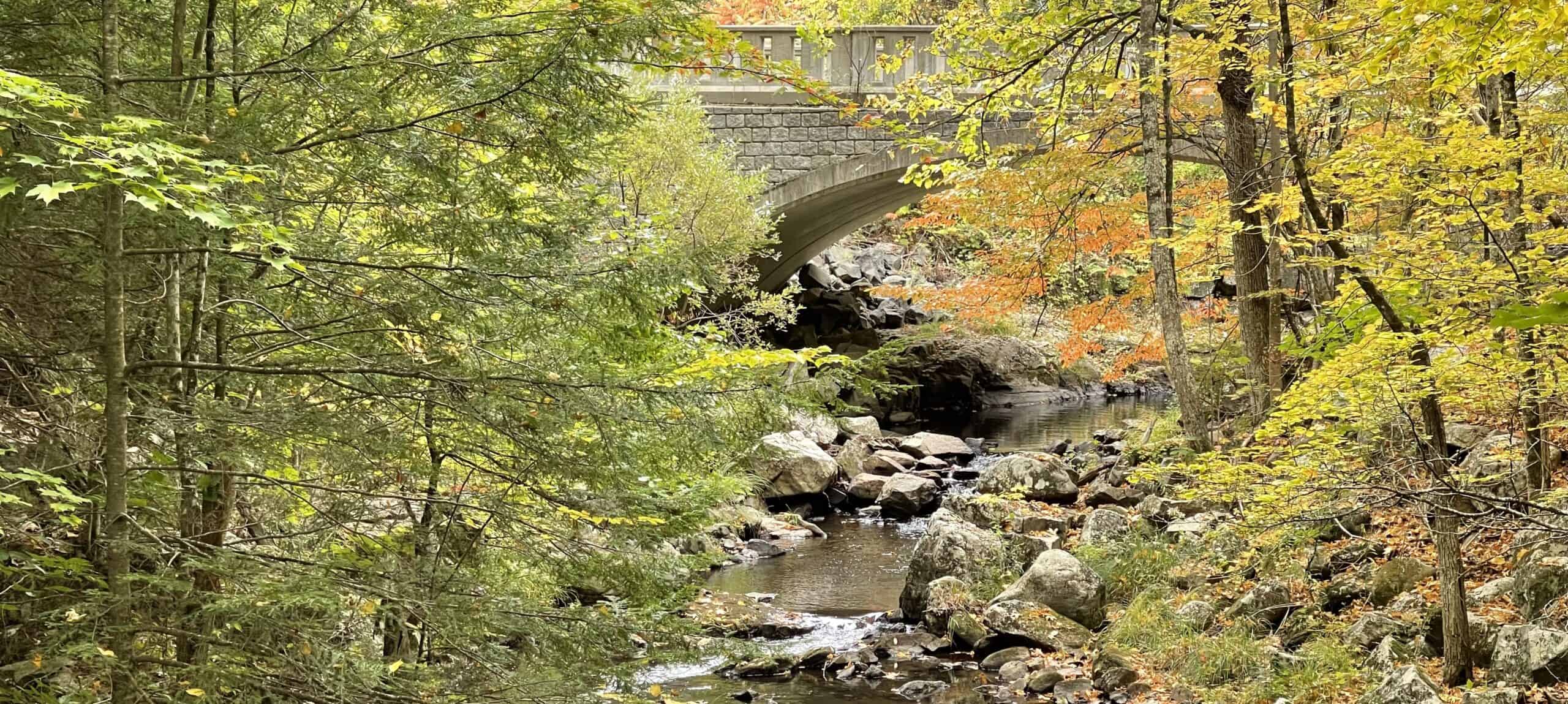
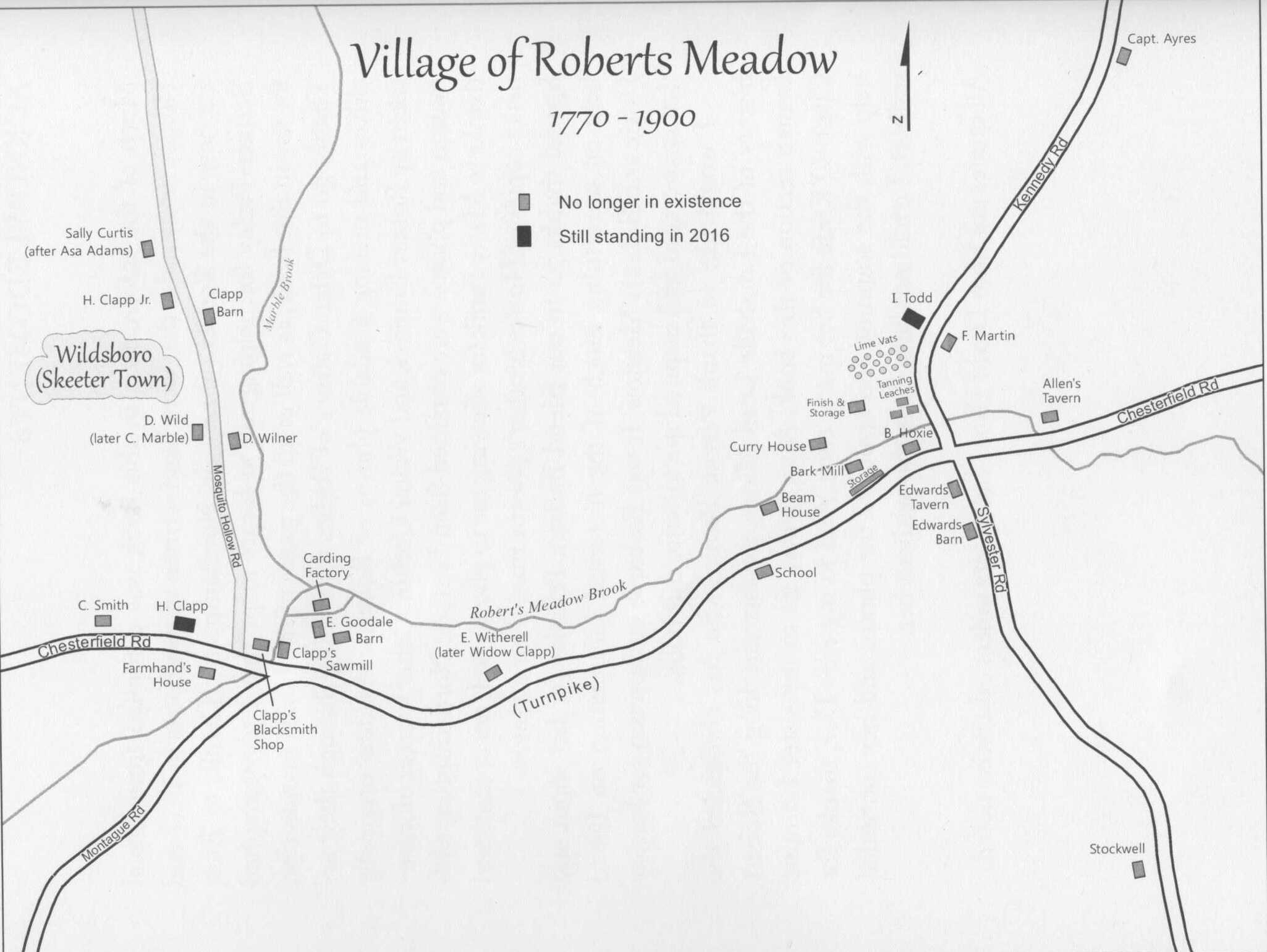
For more than 100 years, the village of Roberts Meadow, in the northwest part of Northampton, was a bustling hamlet of agricultural and industrial activity. Extending one mile along Chesterfield Road, from the intersection with Kennedy and Sylvester roads to the Westhampton town line, Roberts Meadow boasted several farms, two taverns, a tannery, a sawmill, a blacksmith shop, a carding mill, a one-room schoolhouse, extensive orchards, and numerous residences.
Early Settlement
First settled by Europeans in the mid-18th century, the area received its name in honor of Robert Lyman, an early settler of Northampton. Lyman lived off Hawley Street near downtown Northampton, but ranged widely, hunting and fishing in the hills of the “Long Division” section of the town. His biggest claim to fame was his discovery of lead in the south part of Loudville, but his name is memorialized not only in the Village of Roberts Meadow, but also Roberts Meadow Brook, Roberts Hill (now conservation land in Leeds) and the City of Northampton’s Roberts Meadow Reservoir.
The first settlers of European descent to live in Roberts Meadow are believed to have been members of the Edwards family. In the 1730s, Nathaniel Edwards Jr., built a sawmill that was powered by Roberts Meadow Brook. He also built the first two houses in the area, near the intersection of today’s Chesterfield and Kennedy roads. The Edwards family was active in the area for more than 100 years.
Tannery and Taverns
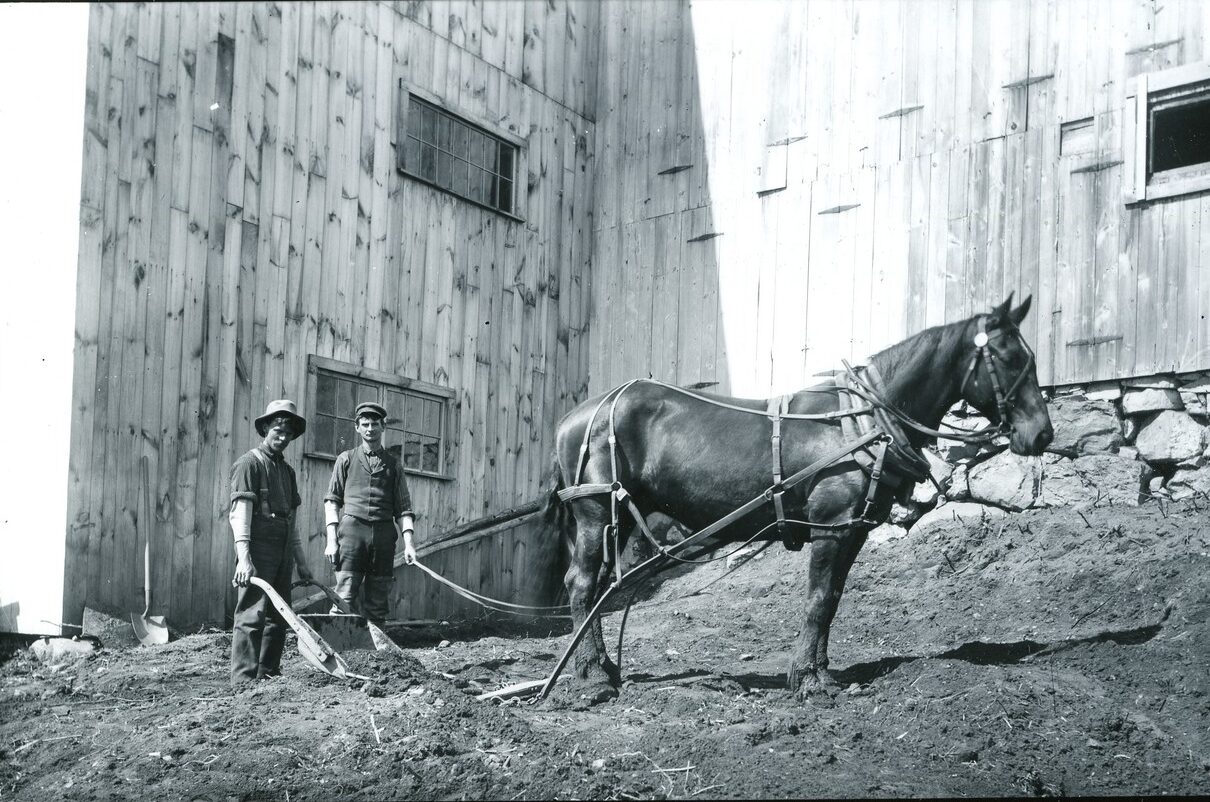
In 1796, Nathaniel Edwards Jr., sold the sawmill lot to a relative named Col. William Edwards, who was a grandson of Rev. Jonathan Edwards. Col. Edwards was a tanner by trade, and in 1800 he began tanning leather on the site.
According to author John Clapp, Edwards’ operation “included 80 vats for soaking the skins in a lime and water solution, a bark grinding mill with a 100-foot bark storage shed, and a two-story beam house. There was also a two-story currying shed and a third two-story structure for finishing and storing the completed product. There were three leach tanks where the hides were soaked in a water and ground bark mixture.” The tanning operation was carried on by five different members of the Edwards family for close to 50 years.
Twenty years before the tannery, in the early 1770s, Nathaniel Edwards III built a tavern on the south side of Chesterfield Road at the intersection with Sylvester Road. About the same time, in 1773, Solomon Allen built a second tavern to the east of the intersection of Chesterfield and Kennedy roads. This tavern was owned by members of the Allen family for more than 100 years.
During that period, stagecoaches traveled the turnpike twice a week on their journey from Boston to Albany, stopping at both taverns to water their horses, enjoy a pint of refreshment, and pay the required toll.
In 1825, the Marquis de Lafayette, on his triumphal tour of the United States, stopped at Edwards’ Tavern for a banquet before moving on to downtown Northampton.
In 1832, the Edwards sold their tavern to Leander Moody, who ran it as Moody’s Tavern for 25 years. When the stage line from Boston was discontinued about 1860, the property was sold to members of the Sylvester family. They owned it until 1921, when the land was taken by the City of Northampton to protect the water supply of the new reservoir. Arsonists burned the building on July 4, 1924.
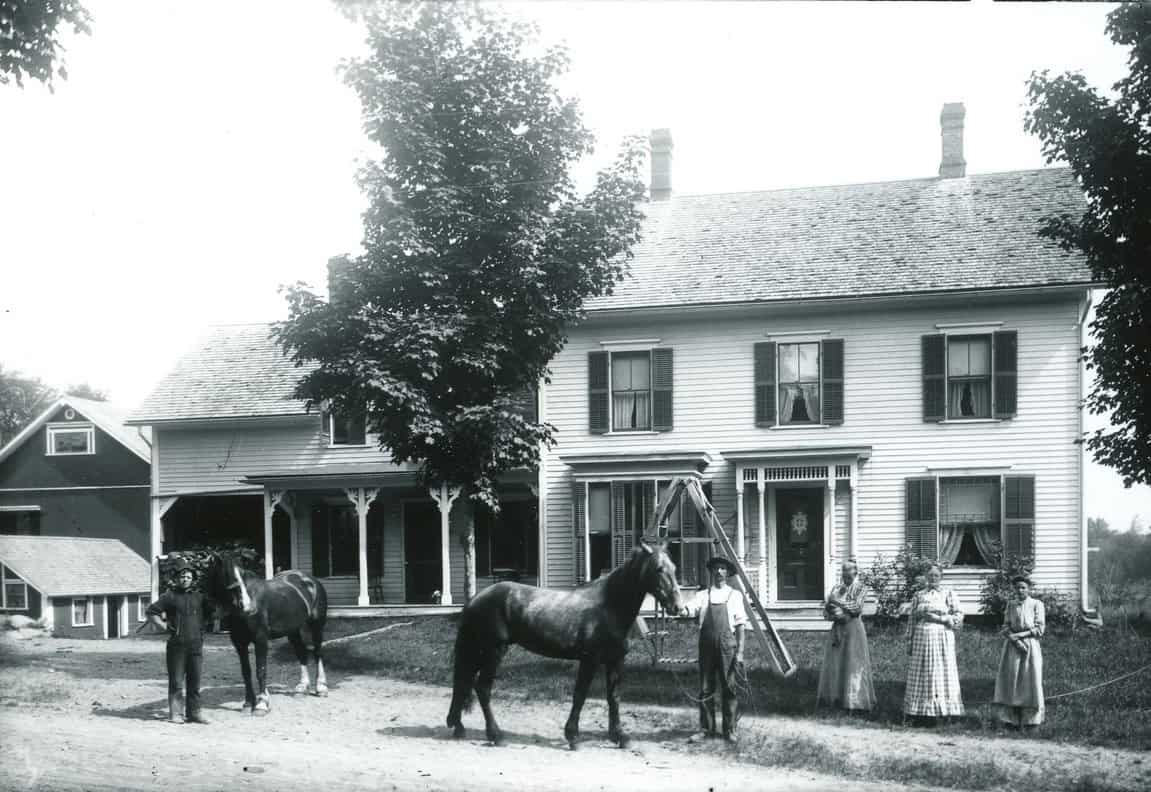
Wildsboro (Skeeter Town)
Near the intersection of Chesterfield and Montague roads is a dirt road, still visible today, that was called Mosquito Hollow Road and led west to an area known as Wildsboro or Skeeter Town. During the 19th century, members of the Wild, Marble, Clapp, and Curtis families made this area home.
Clapp Family
In 1826, Henry Clapp Sr. built a house near the intersection of Chesterfield and Mosquito Hollow roads. Clapp was a farmer but also operated a blacksmith shop and a sawmill, which were on opposite sides of Roberts Meadow Brook. Clapp and his descendants eventually bought 820 acres in the area, much of which is still owned by members of the family today, including 200 acres protected through a conservation restriction.
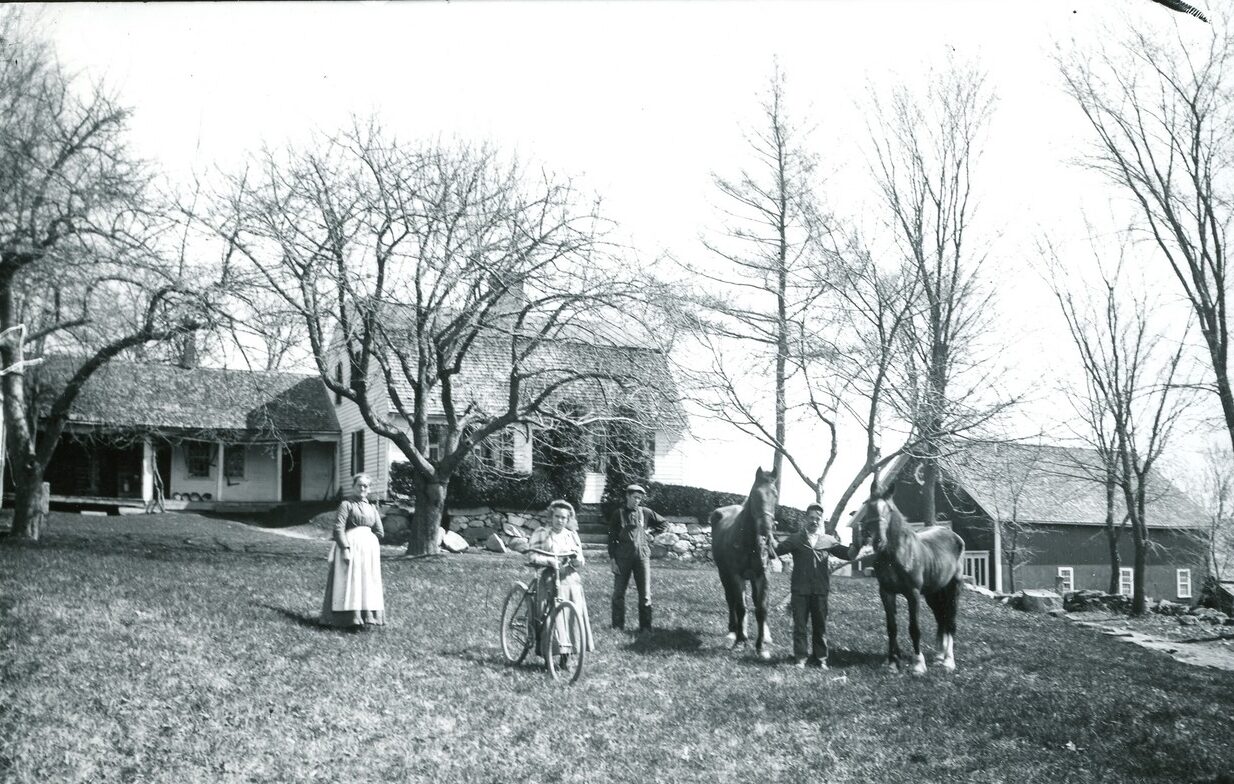 Then
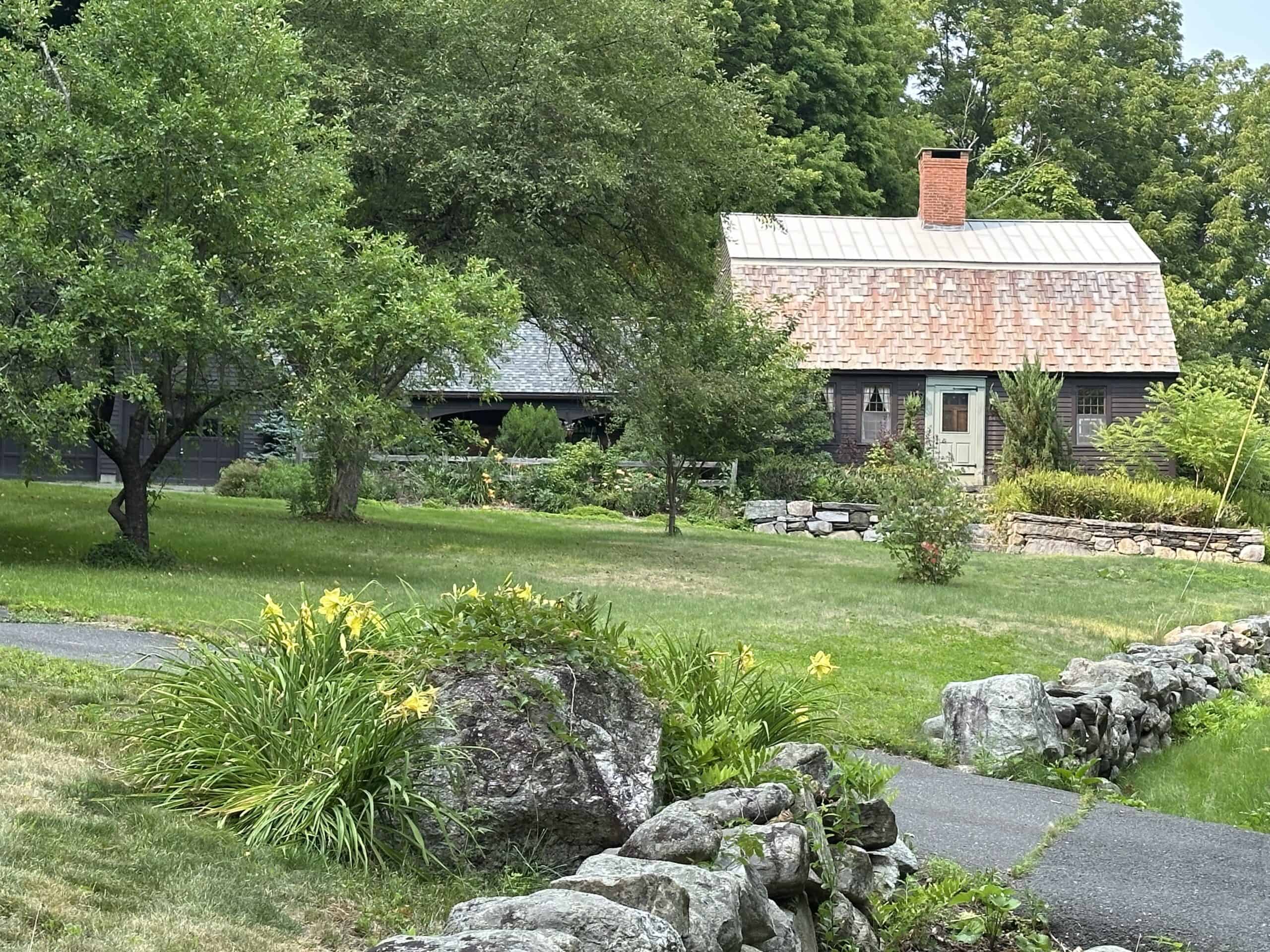 Now
Downstream from the Clapp’s mills, Eli Goodale operated a wool-carding mill from 1809 to 1840. Goodale carded and dyed wool and manufactured broadcloth and flannel. Many of the farmers in this area raised sheep, including much-prized Merino sheep.
During many years, several other families settled in the area, including members of the Hoxie, Todd, Witherell, Stockwell, Martin, Root, and Rust families.
The End of the Village of Roberts Meadow
The death knell for the Village of Roberts Meadow began to ring in the 1880s when the old tannery dam was purchased by the City of Northampton and the Upper Roberts Meadow Dam was built to create an additional reservoir for Northampton’s public supply water. Over the coming decades, the City of Northampton bought more land in the area to protect its water supply. Over time, most of the older houses and barns that had comprised the village of Roberts Meadow were either demolished or fell down. Today, old cellar holes, barbed wire, and stone walls are all that remain of many of the former house sites.
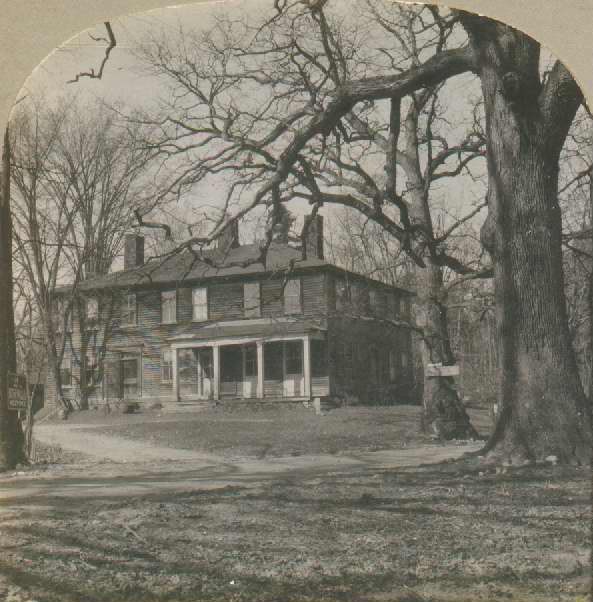
The slider image to the left shows 64 Kennedy Road in 1886-1902 and 2026.
FURTHER READING
The information for this history comes primarily from John Irving Clapp’s book, Lost Village of Roberts Meadow – Northampton’s Forgotten Settlement, published by Off the Common Books, Amherst, in 2016. Further historical information about Roberts Meadow can be found in David Hoxie’s 1917 unpublished manuscript “Early Birds,” now housed in the archives at Forbes Library in Northampton.