People of Northampton
-
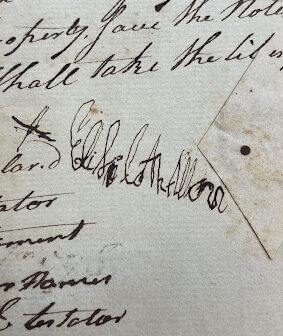
Betty Allen
1716 – 1800
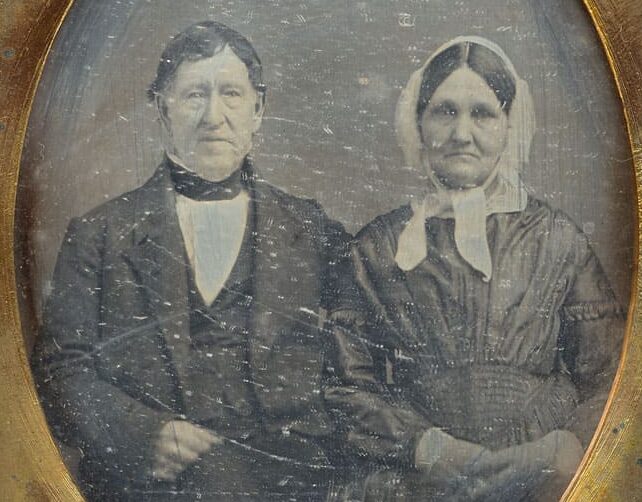
Betty Allen was a midwife in the Northampton area in the second half of the 18th century who assisted at 3,000 births. Her daughter Eunice Breck also became a midwife.
-
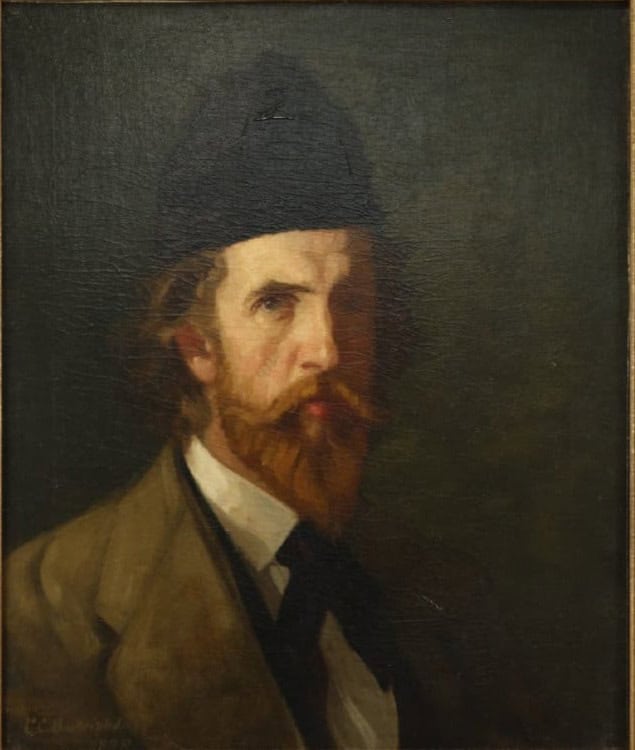
Charles C. Burleigh Jr.
1848 – 1882
An artist, son of the Burleigh family of free-thinkers in Florence, known for portraits. Above is self-portrait.
-
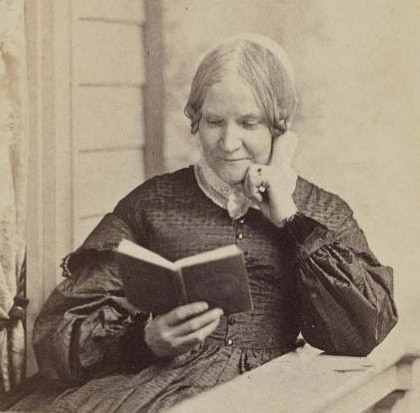
Lydia Maria Child
1802 – 1880
An author, journalist, and activist who brought her causes with her to Northampton.
-
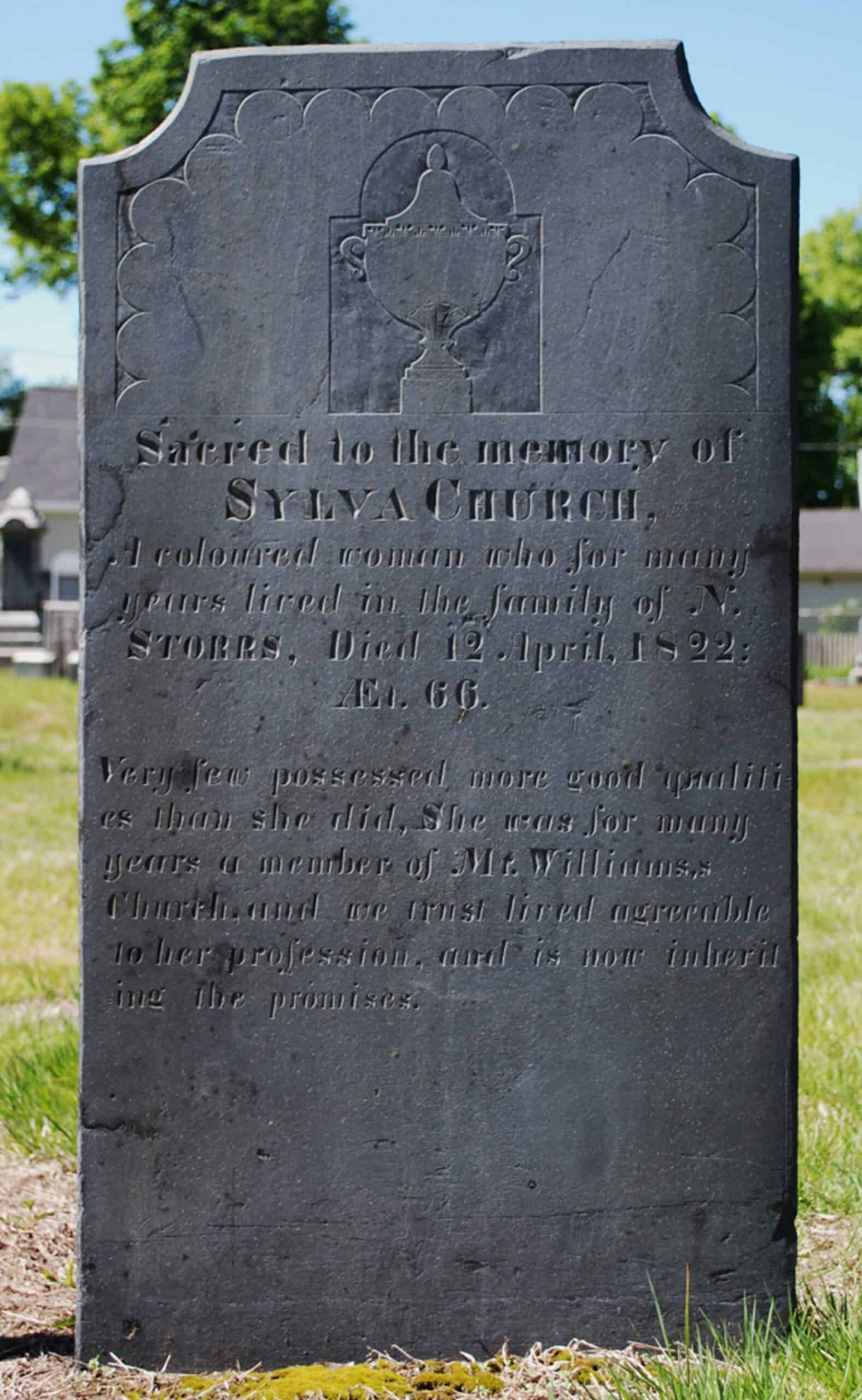
Sylvia Church
c. 1756 – 1822
Enslaved to the Dwight family, where she protected children from the hot-tempered Mrs. Dwight.
-
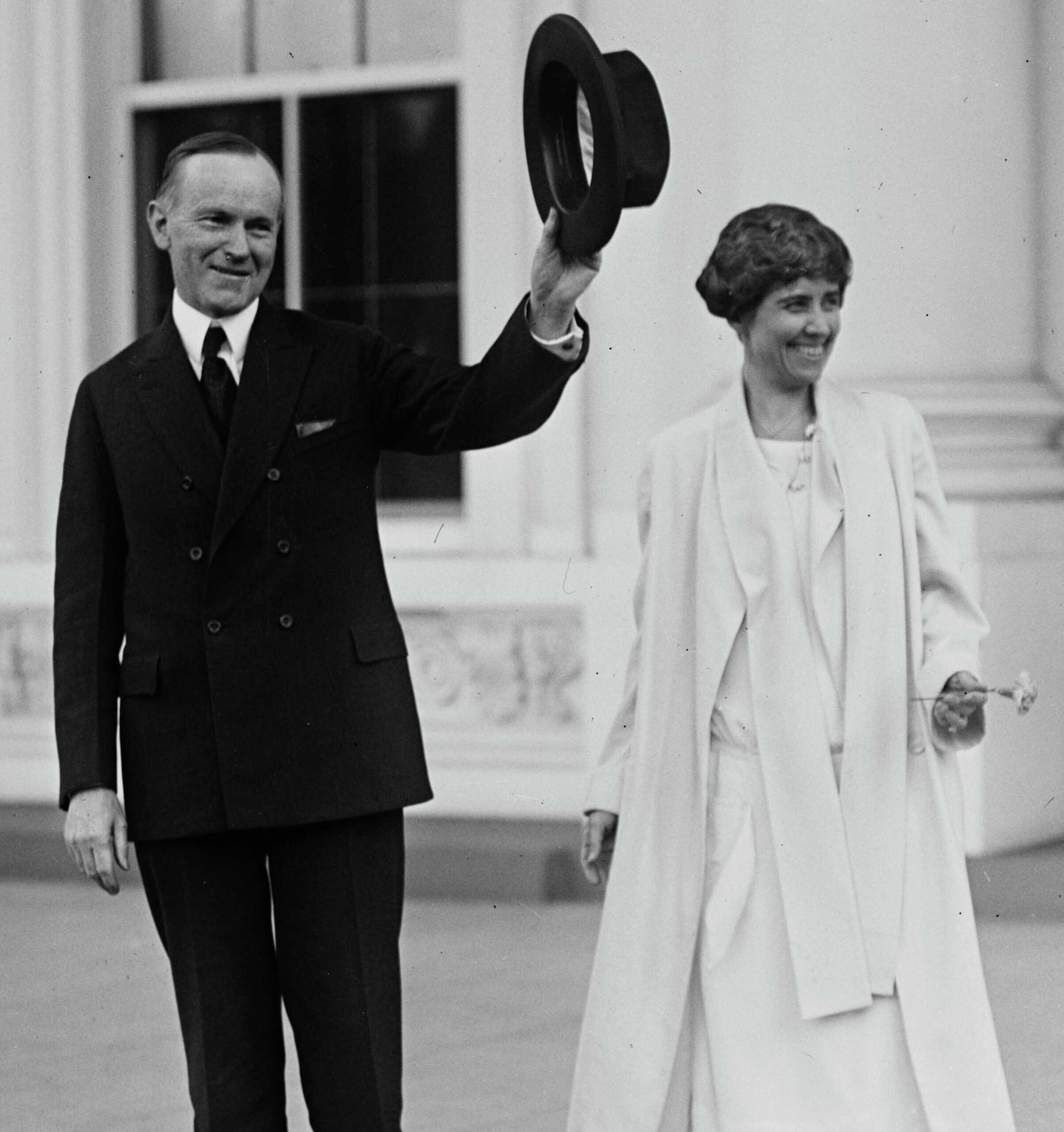
Grace and Calvin Coolidge
1872 – 1933
Calvin and Grace Coolidge seemed destined to live a quiet life in Northampton, but Calvin entered politics and became president.
-
-
-
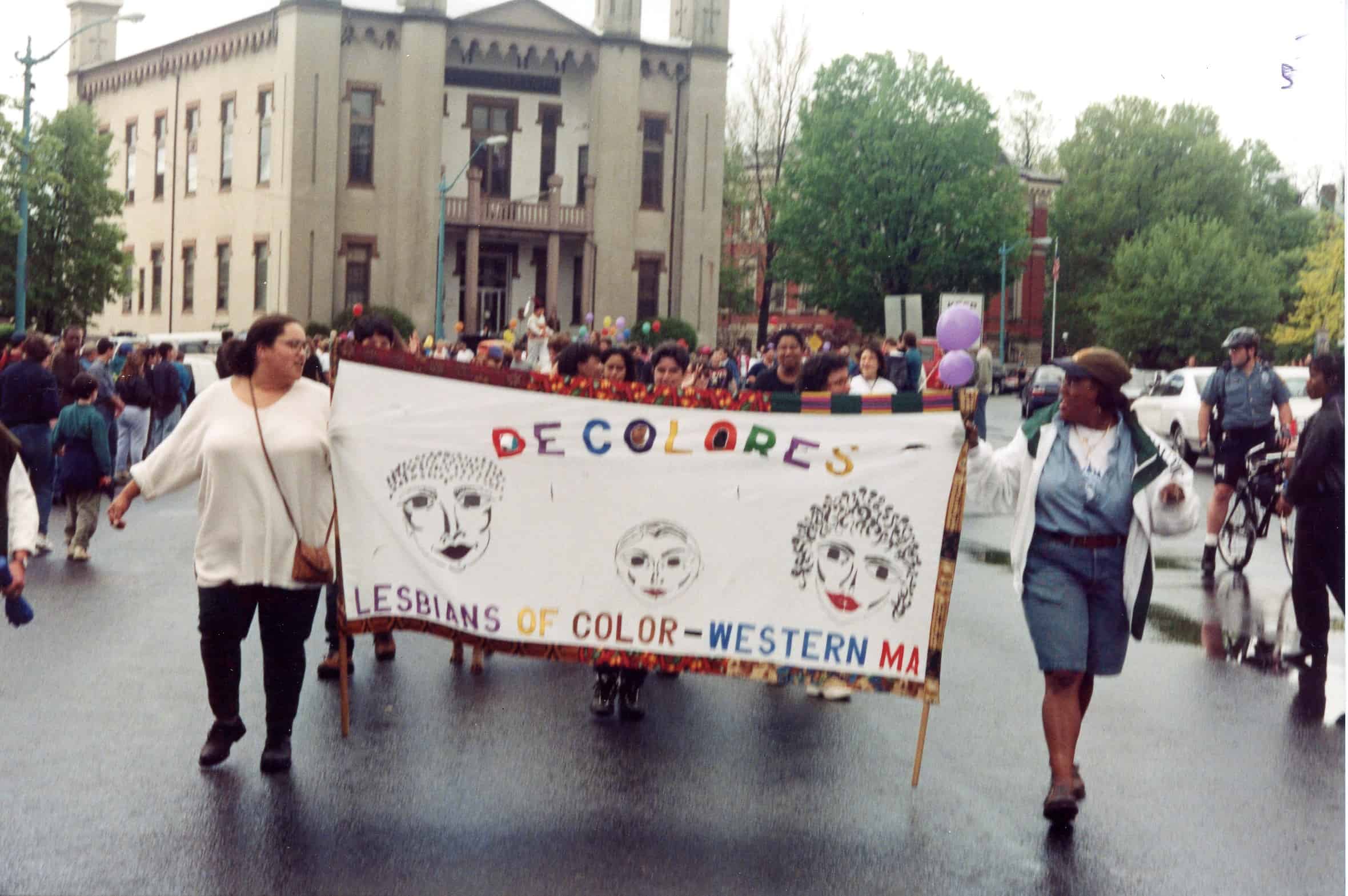
De Colores: Lesbians of Color in Northampton
Lesbians of Color in Northampton formed the group De Colores in the 1990s. Members were interviewed for an oral history project by Erika Slocumb.
-
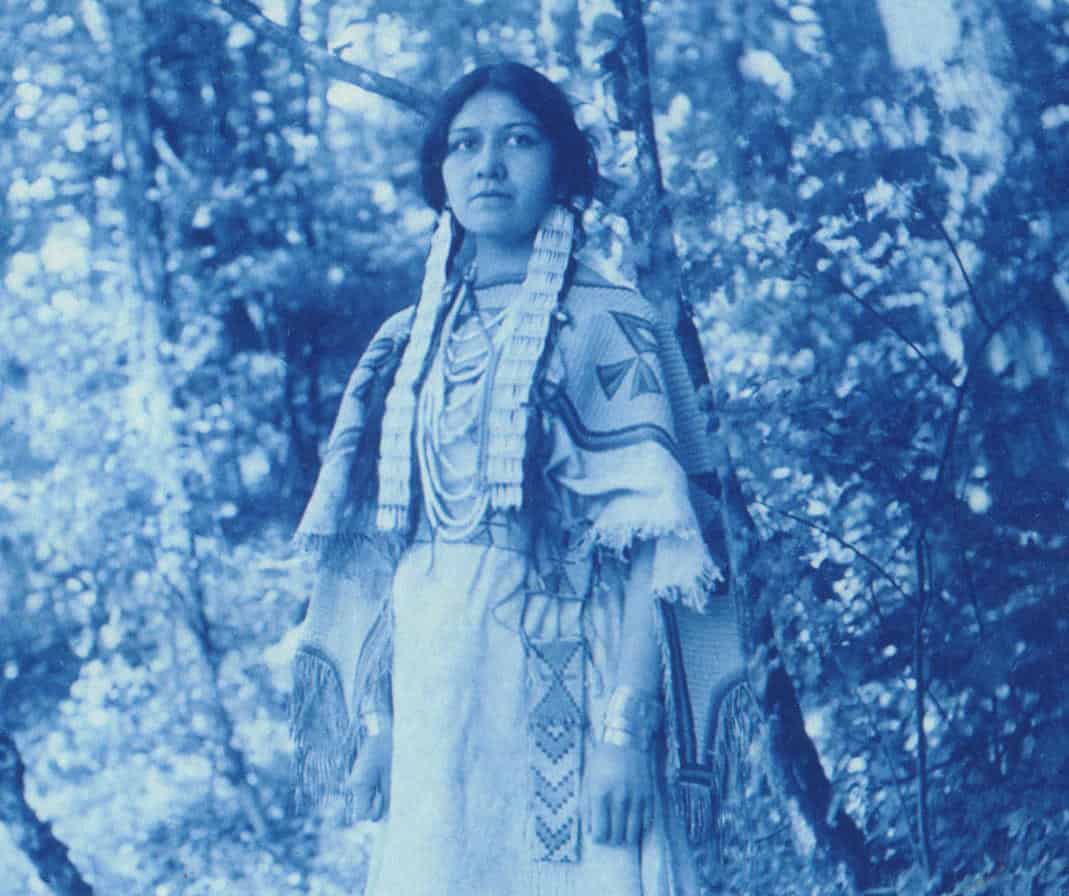
Angel De Cora
1871 – 1919
Smith College’s first Native American student and renowned artist, illustrator, and designer.
-
-
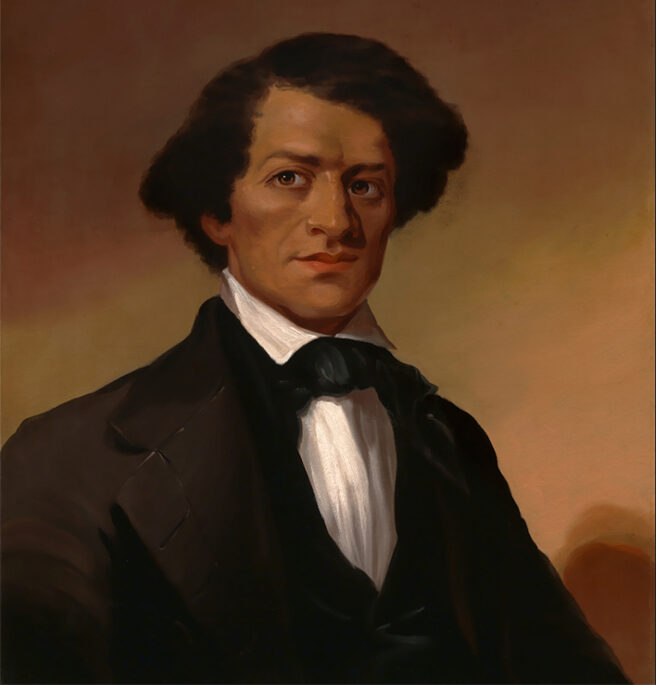
Frederick Douglass
1818 – 1895
One of the anti-slavery movement’s finest orators, he visited Northampton and Florence six times and gave speeches.
-
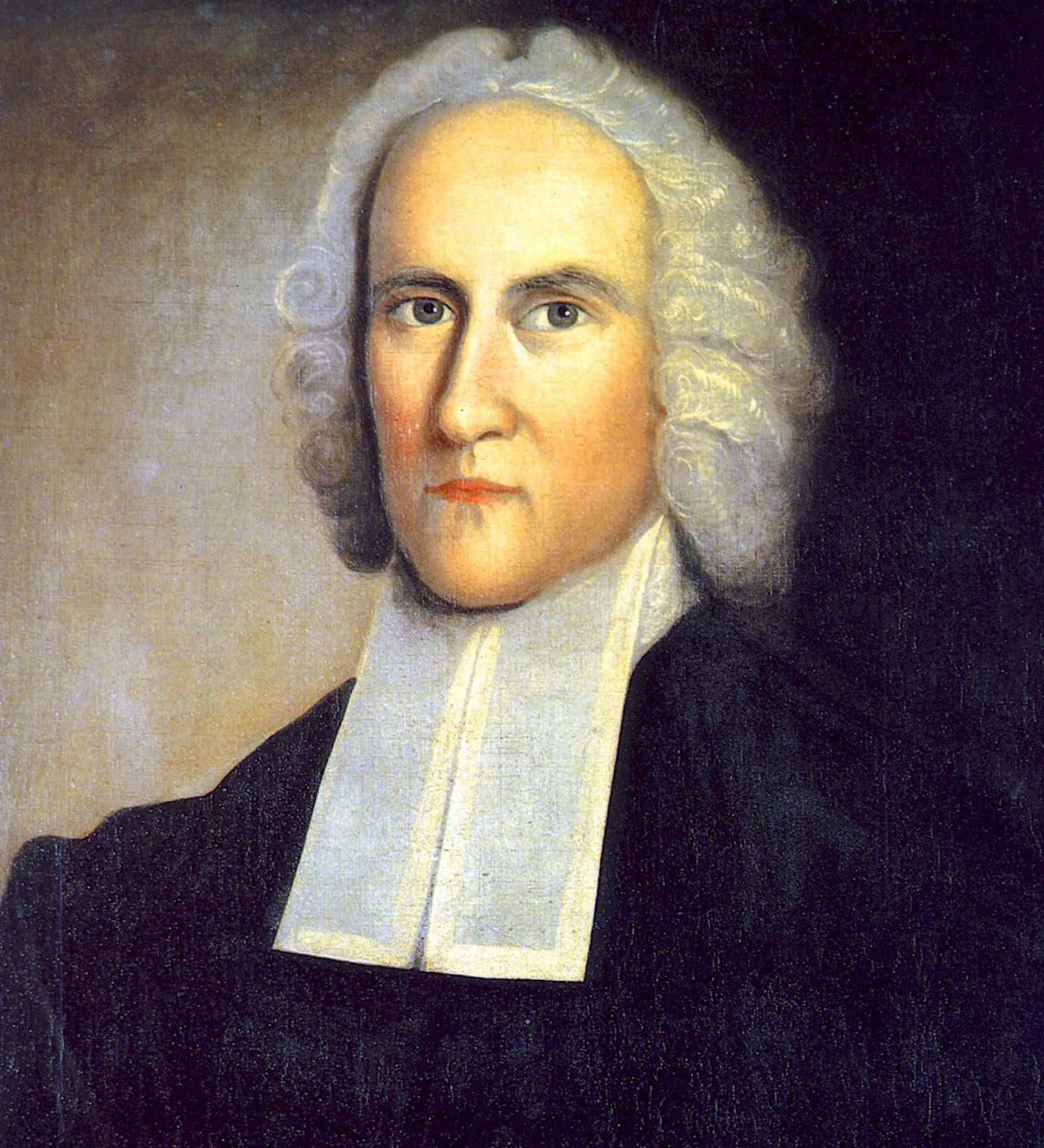
Jonathan Edwards
1703 – 1758
Theologian and Northampton’s evangelical minister for 21 years whose dramatic preaching led to the religious revival known as the Great Awakening.
-
Enslaved People
Between 1654 and 1783, about 50 people were enslaved in Northampton at some time during their lives. Here is what we know about these individuals. (In our Topics section).
-
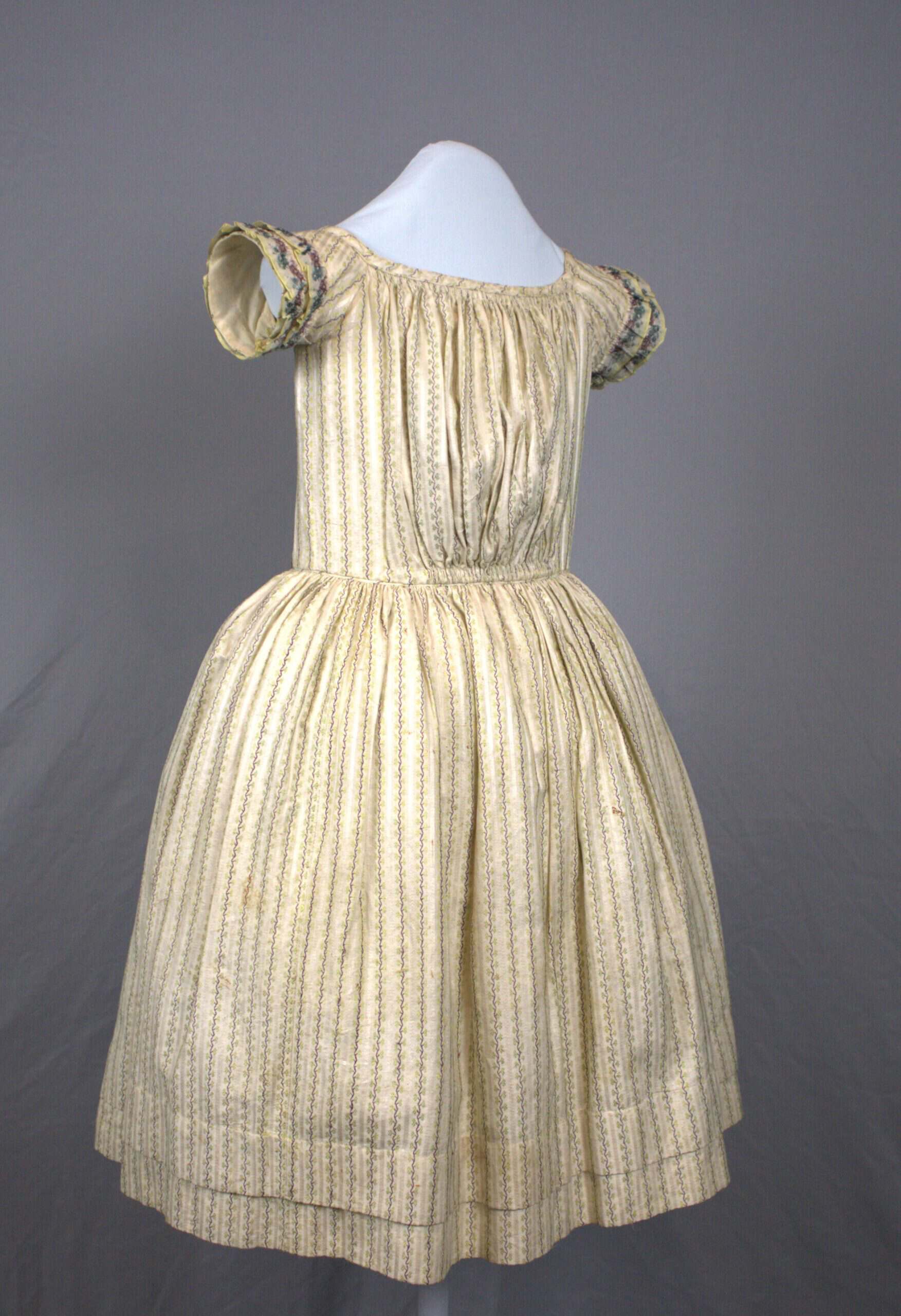
Enslaved Seamstresses on the Watson Plantation
The Watson’s family donations to Historic Northampton were the result of the enslaved labor of 228 people on their Alabama plantation.
-
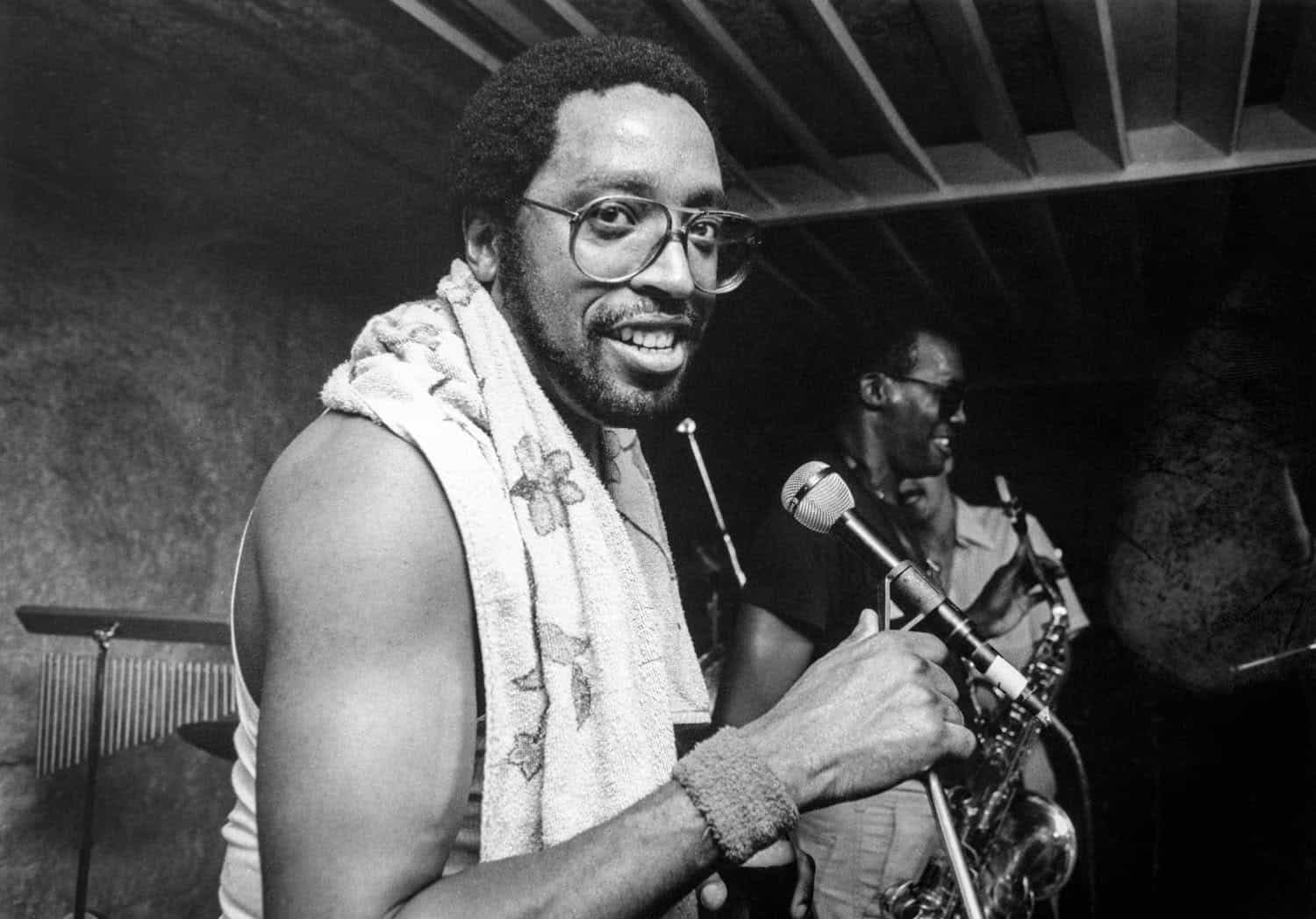
Faces of Downtown, 1980s-1990s
1980 – 1990
Portraits by Paul Shoul of 60 Northampton people who played a role in the City’s revitalization, with memories by those who knew them.
-
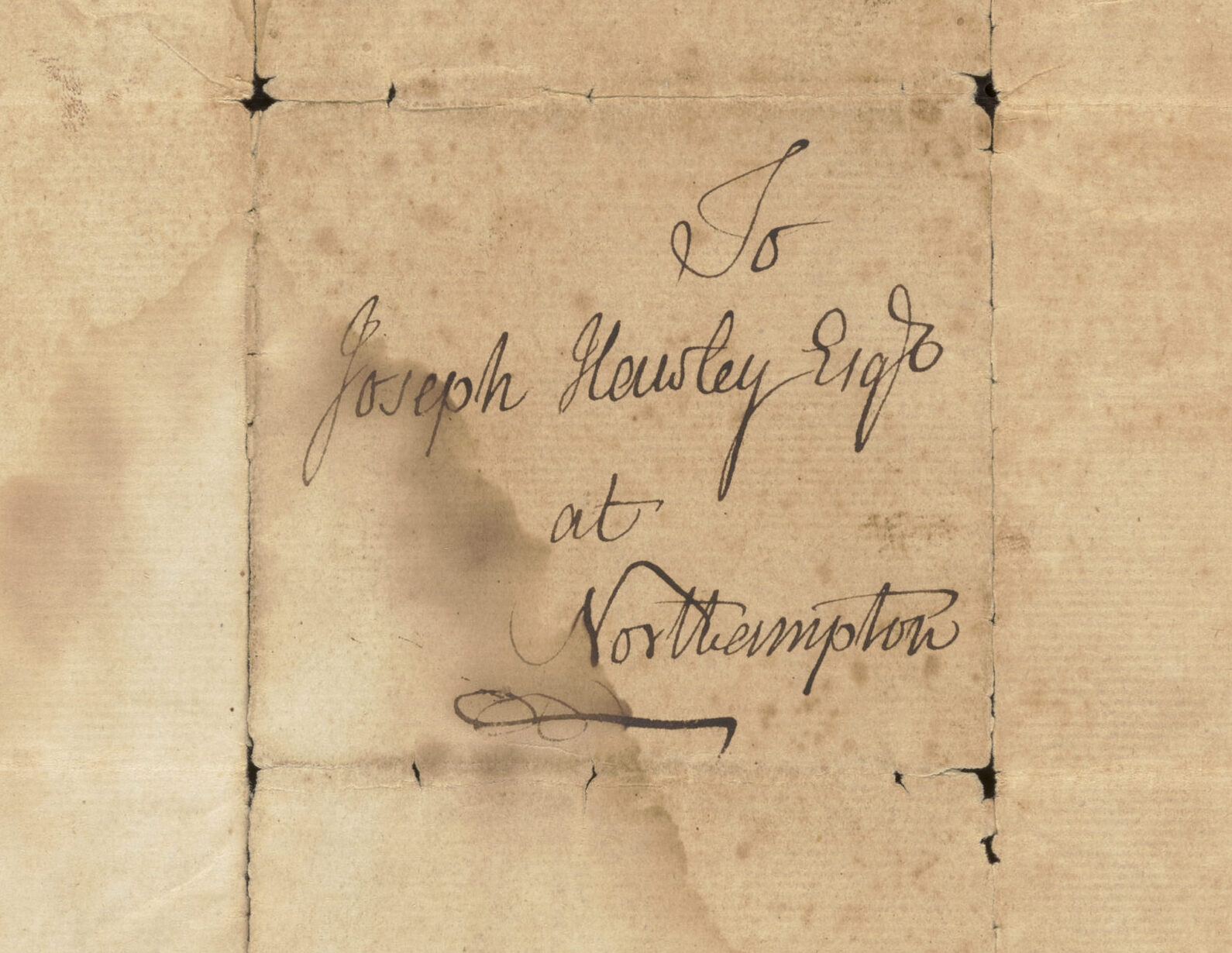
Joseph Hawley III
1723 – 1788
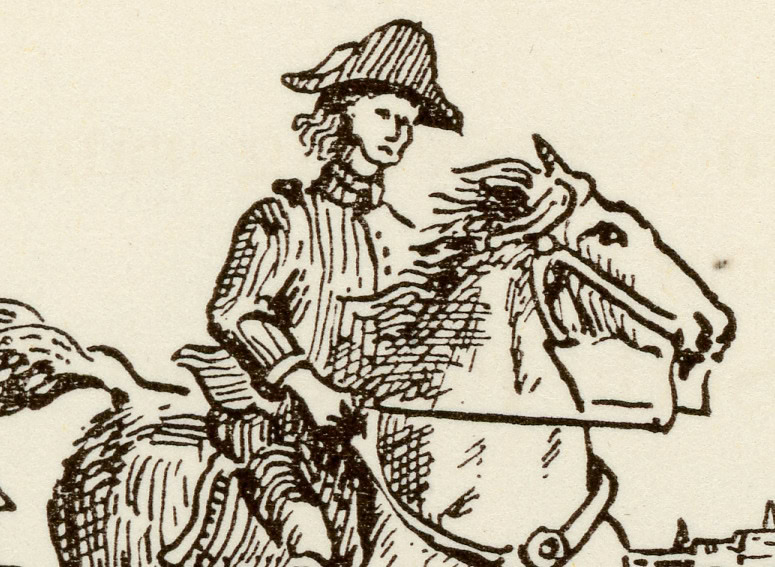
Lawyer and legislator who was a patriot leader of the American Revolution.
-
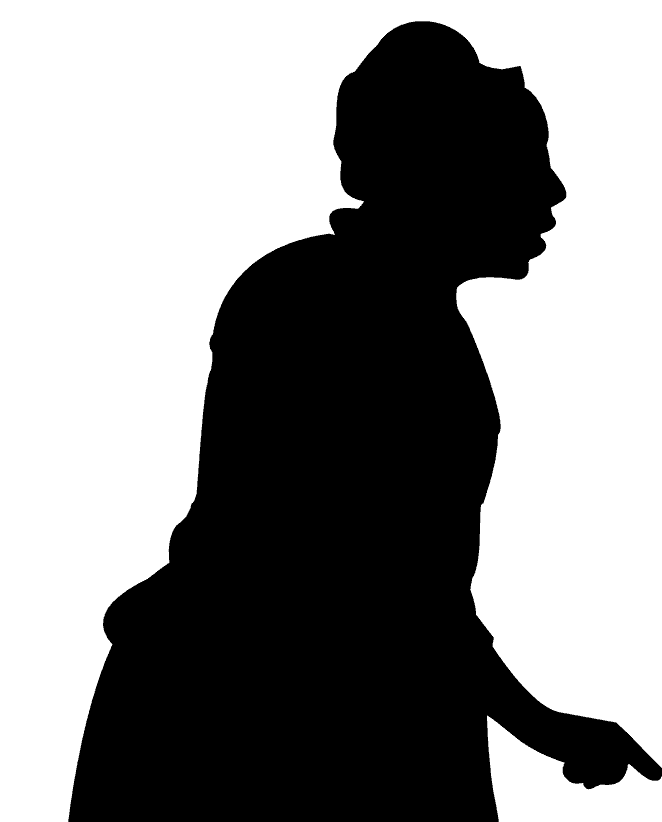
Bathsheba Hull
c.1720 – 1791
After freedom from slavery and widowhood, she supported her young family until forced out of town, showing that she could not be free in Northampton.
-
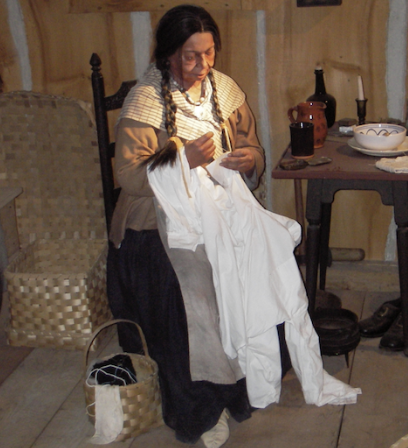
Sally Maminash
1765 – 1853
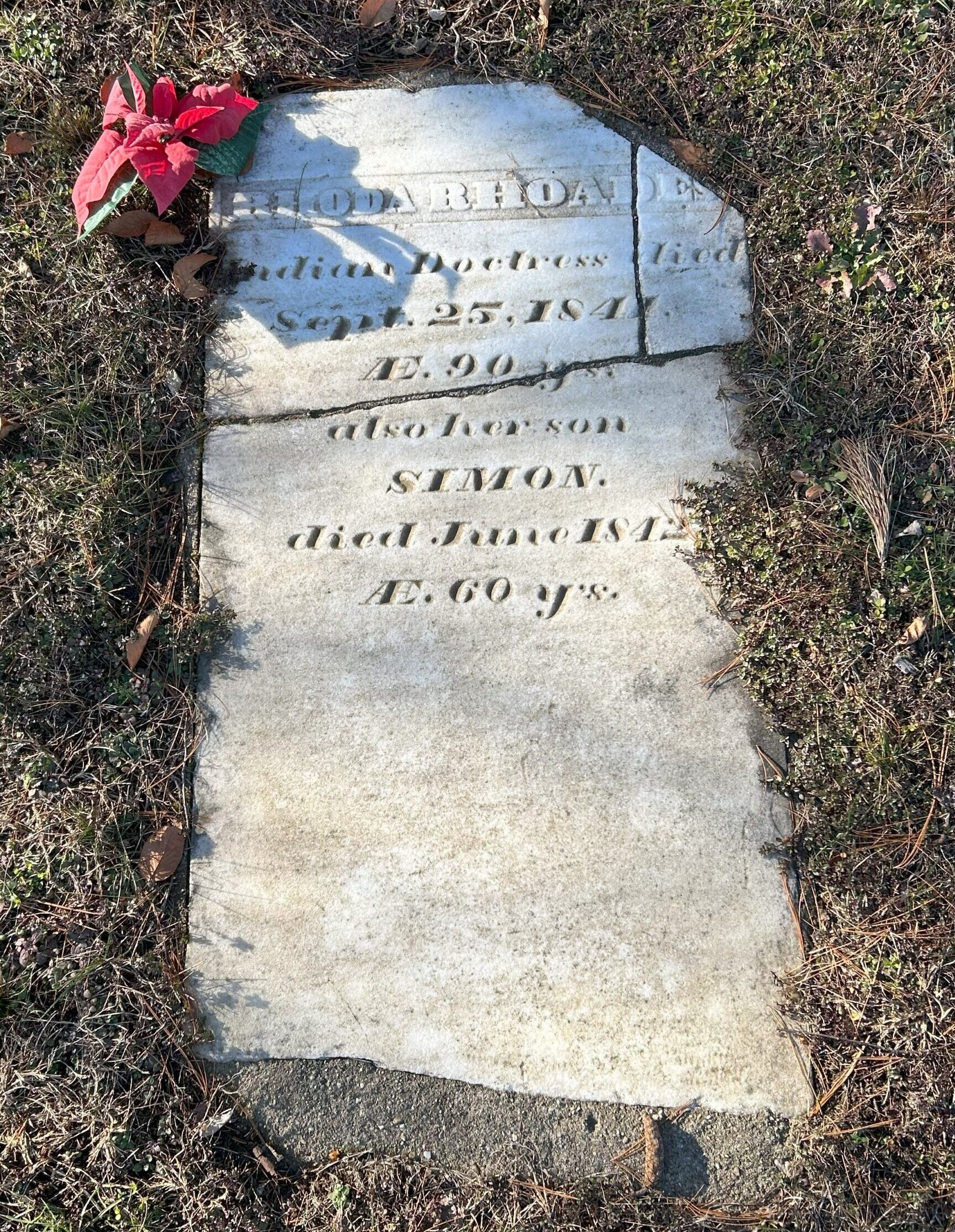
Native woman who lived and worked in Northampton and the so-called “last of the Nonotuck people” (she wasn’t).
-
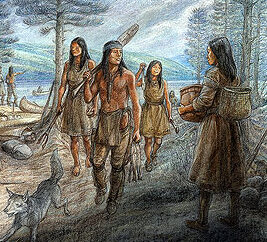
Native People
Native people have lived here for 12,000 years. Learn about their lives in the 17th, 18th, and 19th centuries.
-
-
-
-
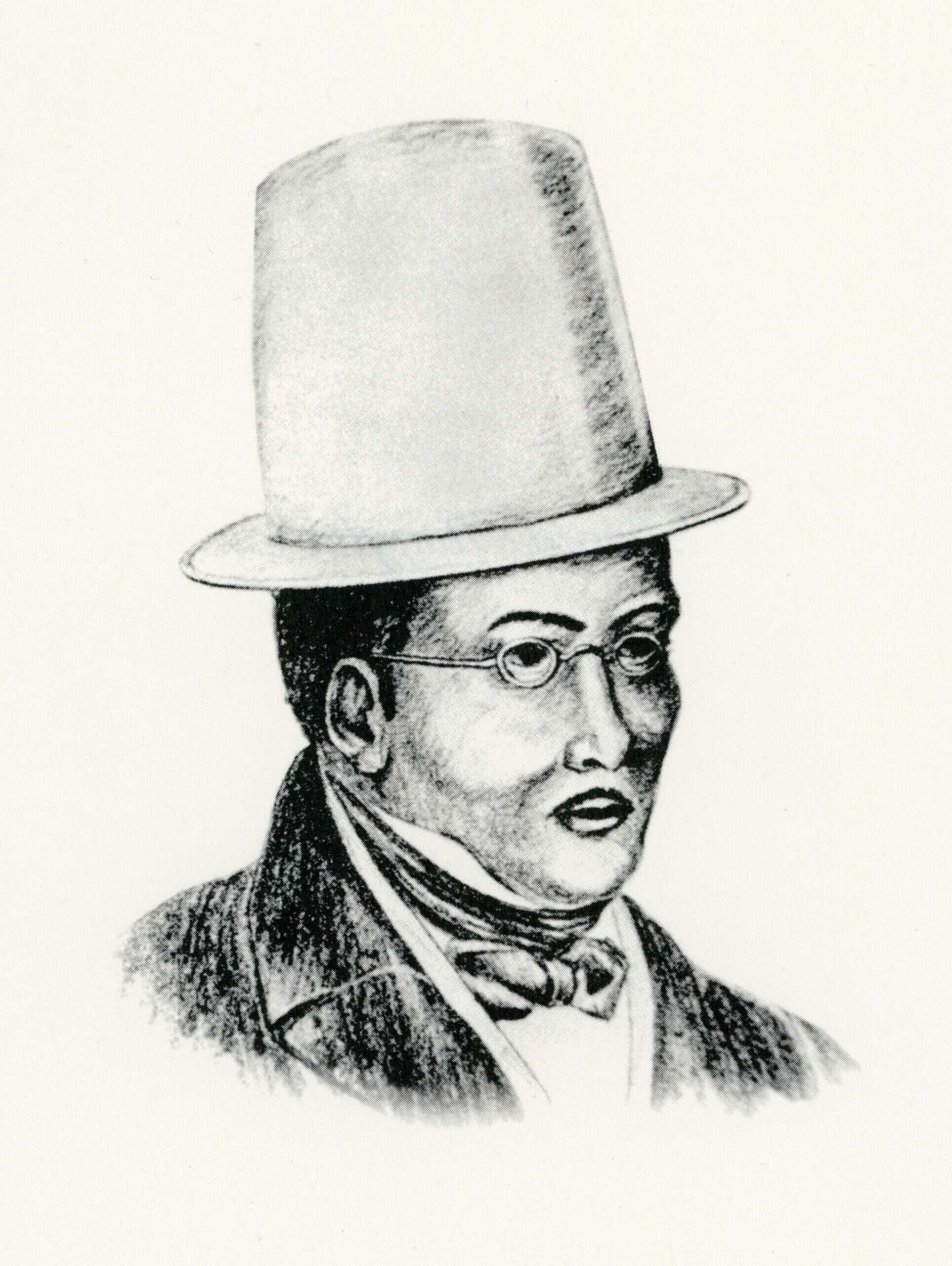
David Ruggles
1810 – 1849
Fearless anti-slavery abolitionist and active conductor on the Underground Railroad who lived in Florence.
-
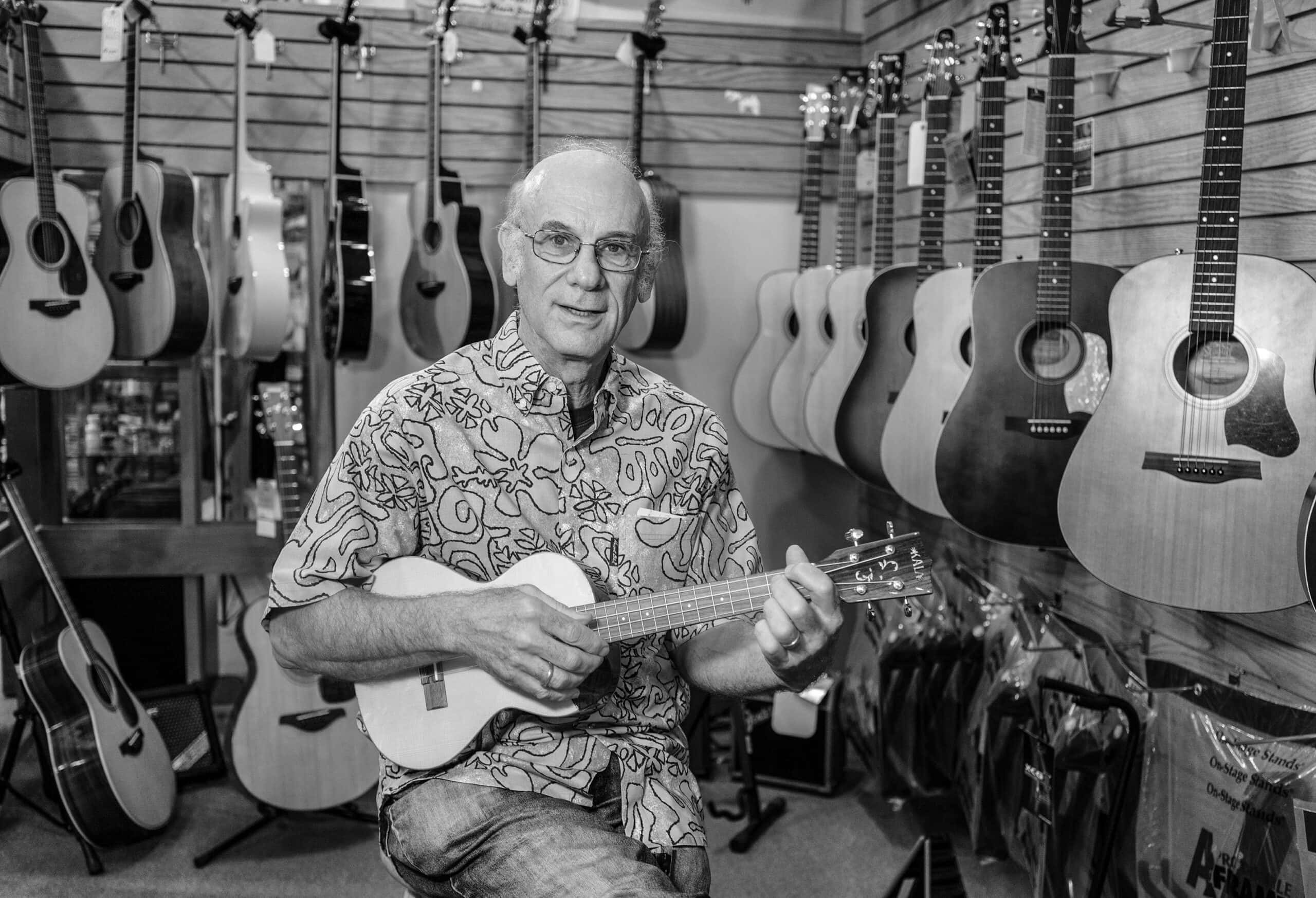
Shopkeepers of Downtown, 2006-2011
Photographs by Stan Sherer that celebrate the shopkeepers of downtown Northampton, with their histories.
-
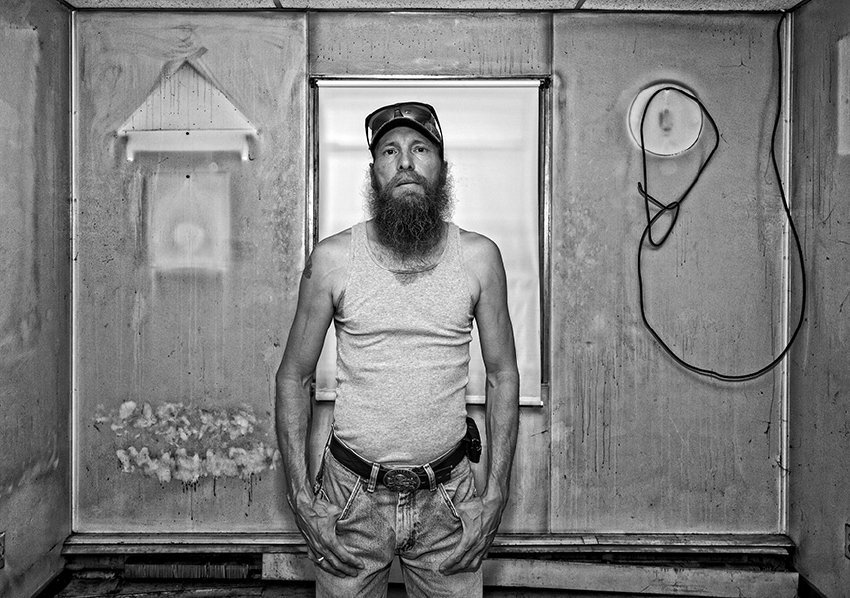
Single Room Occupancy Residents, 2016
Portraits and interviews of people who lived in Northampton Lodging in 2016 before it was torn down (later rebuilt).
-
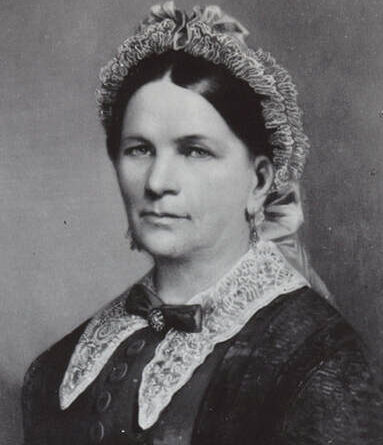
Sophia Smith
1796 – 1870
Hatfield woman who founded Smith College in 1870: “It is my wish that the institution … shall do the most good to the greatest number.”
-
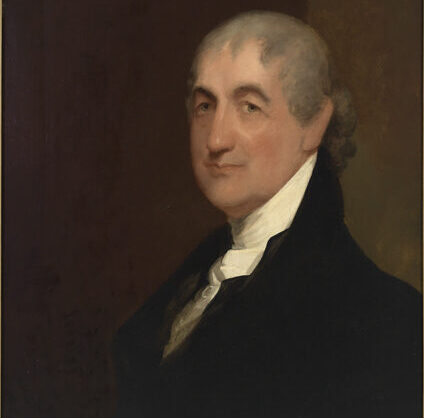
Caleb Strong Jr.
1745 – 1819
Delegate to the 1787 Constitutional Convention, senator, and governor for 11 terms.
-
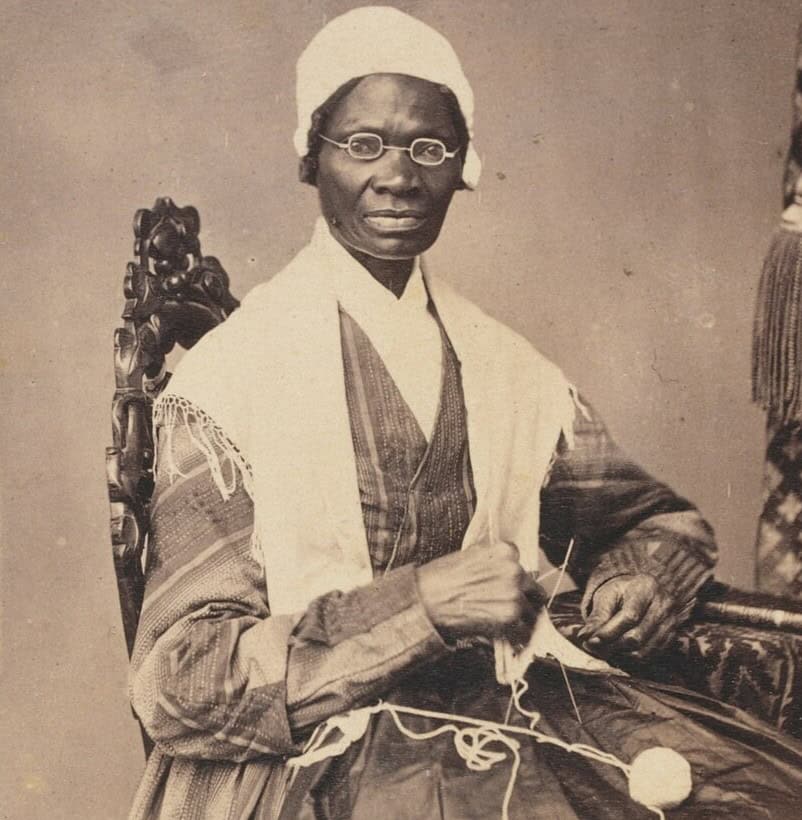
Sojourner Truth
1797 – 1883
Abolitionist and activist for African American and women’s rights who lived in Florence.
-
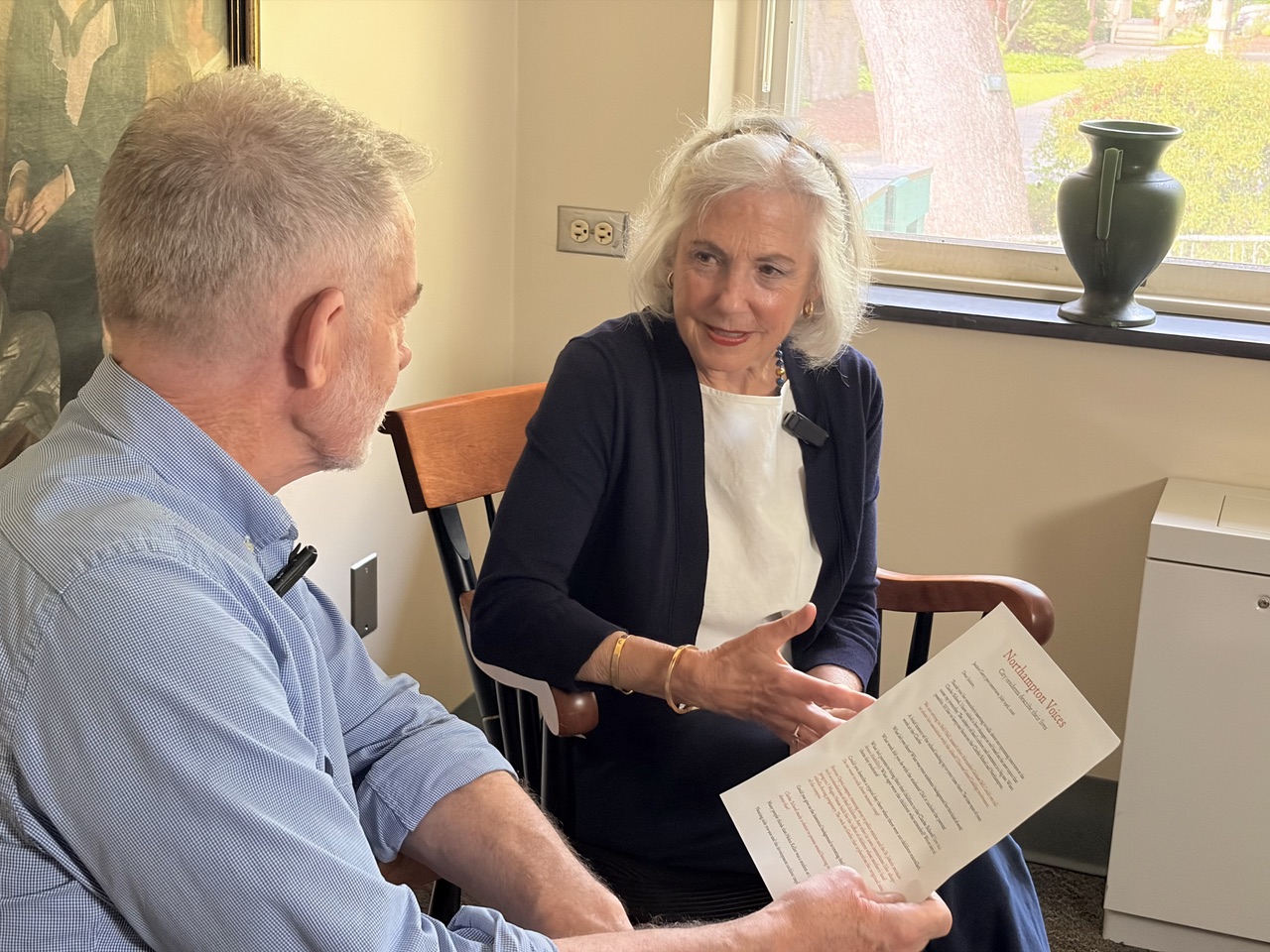
Voices of Northampton, 1970s – Today
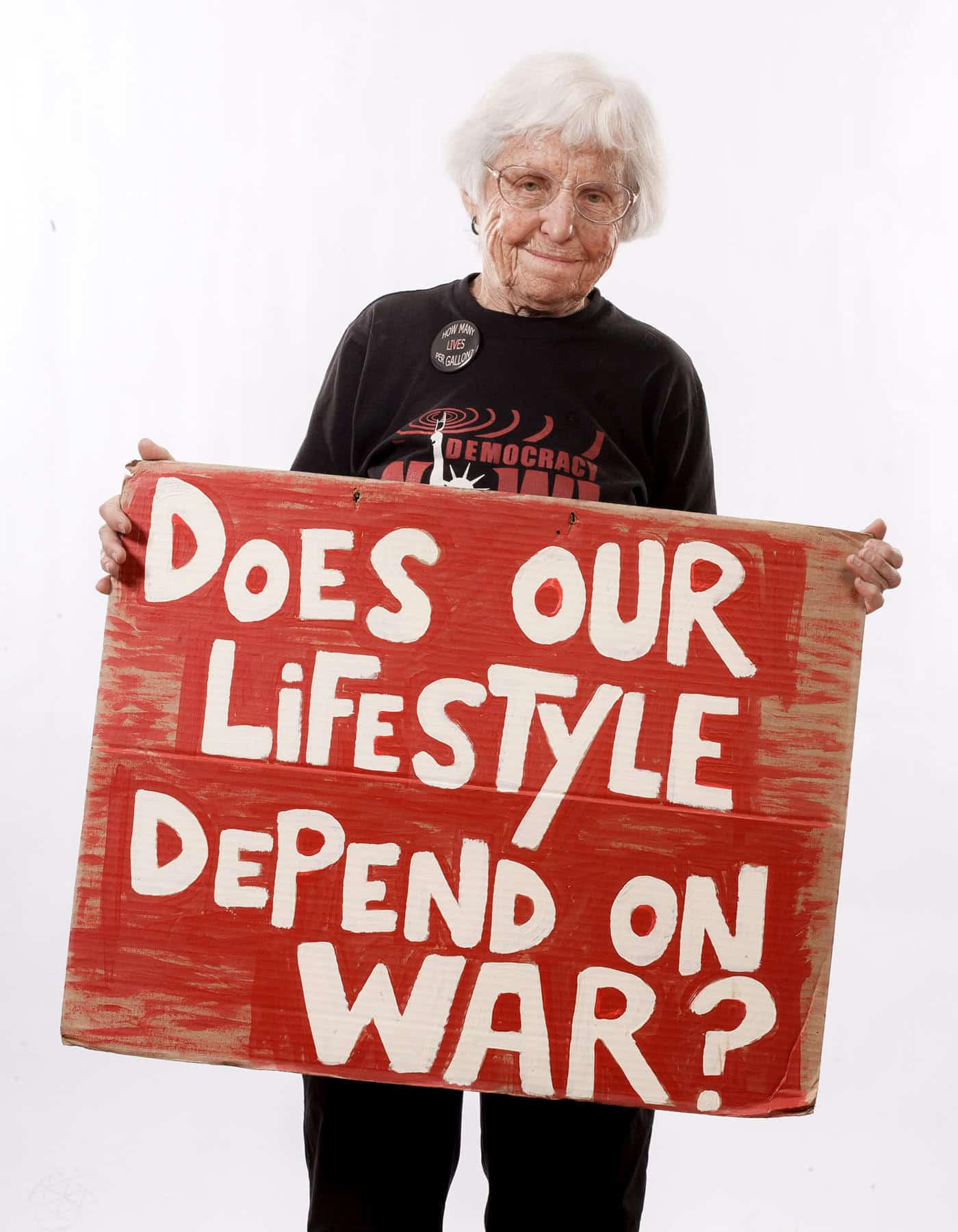
Learn about Historic Northampton’s collection of oral histories. Above, James McDonald interviews Janice Gatty of Clarke Schools for Hearing and Speech.