Frances Crowe
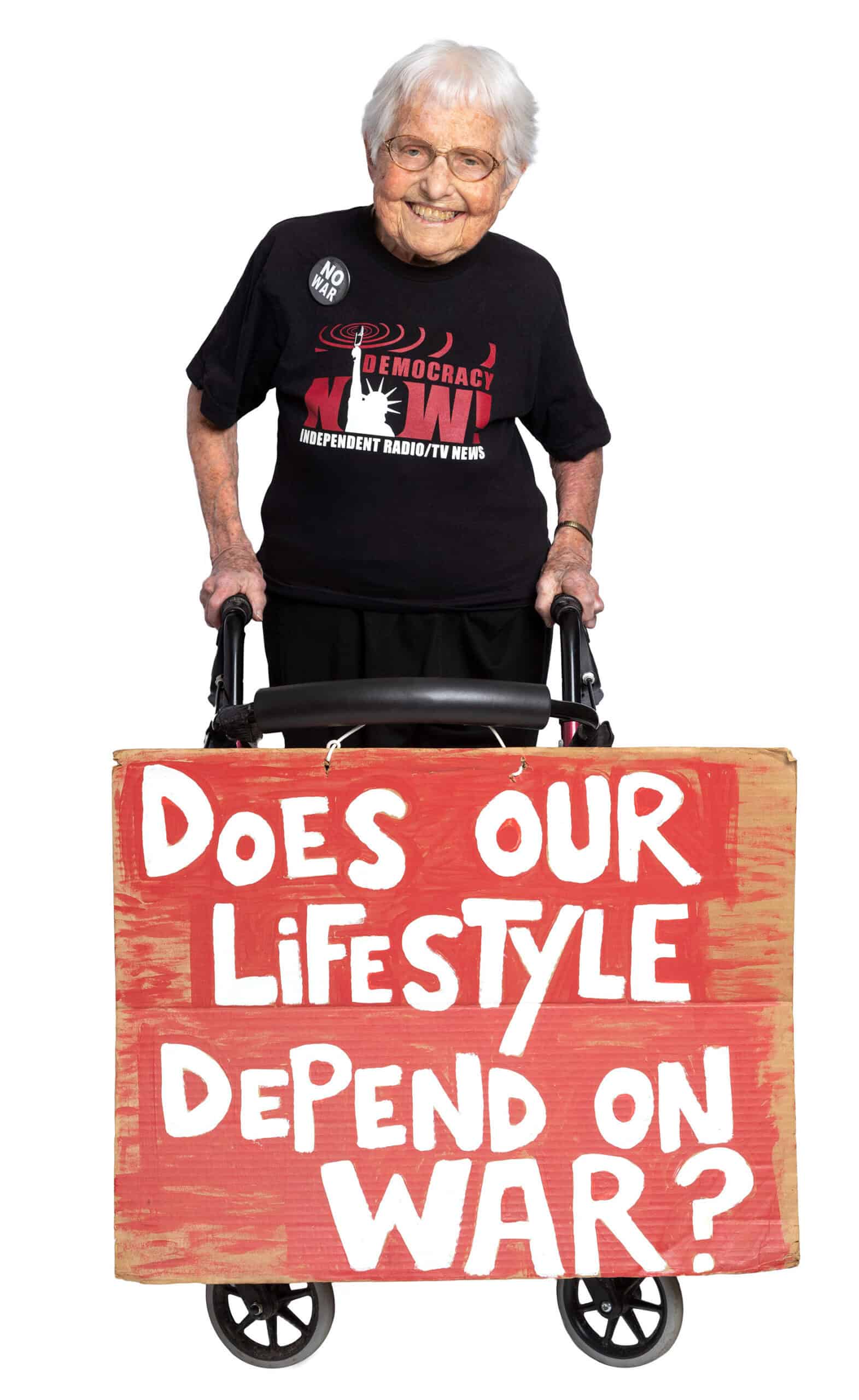
Frances Crowe was a lifelong peace activist and war resister who led by example.
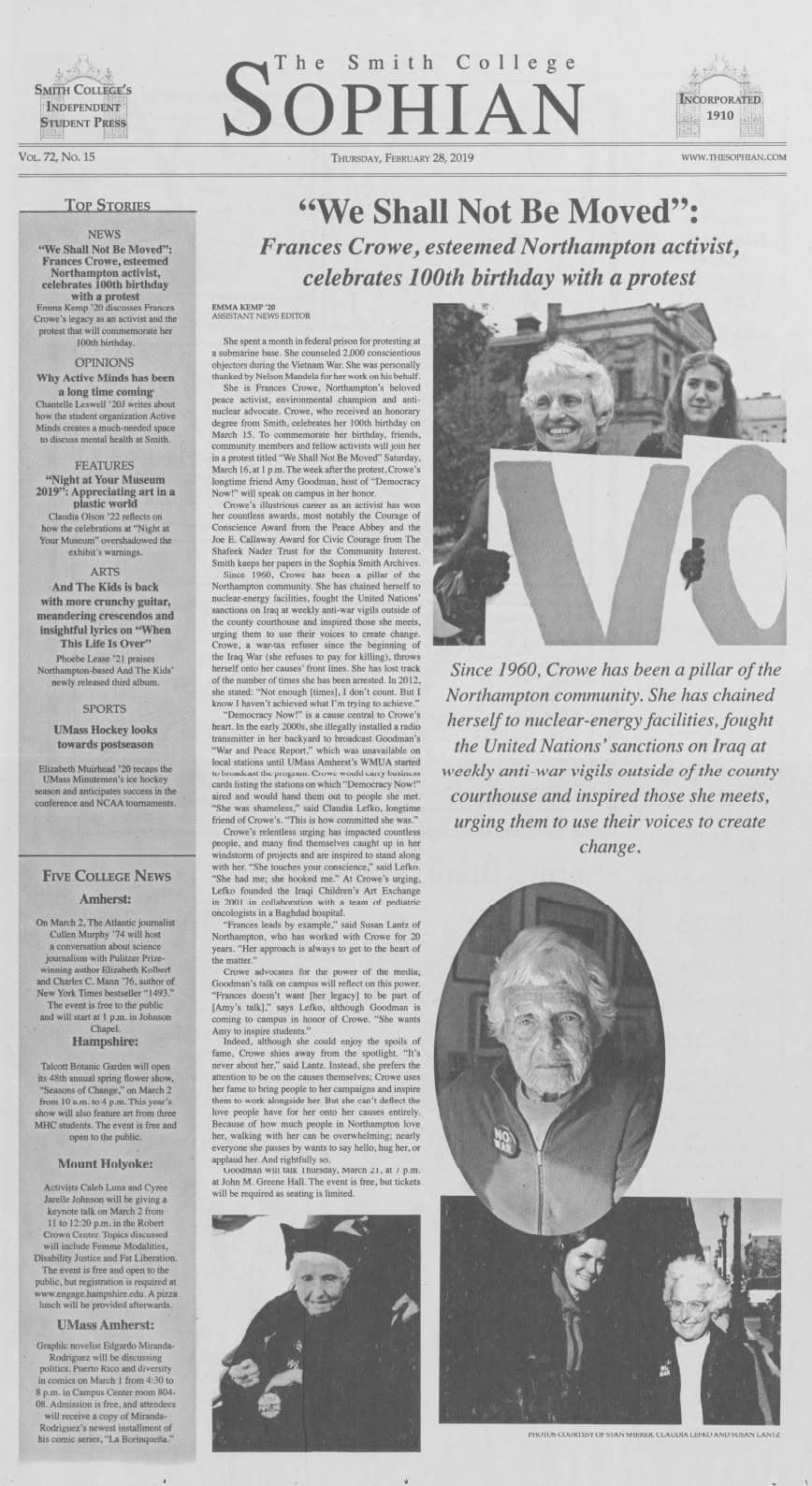
Frances Crowe’s activism began when the United States bombed Hiroshima and Nagasaki in August 1945. She was 26 and just married to Thomas Crowe, who was to become a radiologist and founder of the Radiology Department of Cooley Dickinson Hospital. They had moved to Northampton so that their son Jarlath, who was deaf, could attend the Clarke School for the Deaf. They had two other children, Caltha and Thomas, Jr.
When Frances heard the news of the bombings, she was ironing. As written in her New York Times obituary, “She immediately unplugged her iron and went looking for a gathering spot or peace center, to find like-minded people with whom she could share her distress. Unsuccessful, she went into a used-book store, where she searched for material on nonviolence. The bookstore owner suggested Tolstoy. ‘So, I started reading a collection of Tolstoy’s essays on war and violence,’ she recalled years later, ‘and, you know, that kind of set my direction.’”
In 2019, when Frances died in Northampton, MA, at age of 100, she had dedicated 74 years to doing everything she could to stop the proliferation of nuclear weapons and nuclear power and to stop war.
Frances led by example. In 1968, she opened the office of the Western Massachusetts American Friends Service Committee in the basement of her house. Her mission was all-encompassing. She inspired thousands in Western Massachusetts and far beyond by organizing, speaking, and advocating for social justice and against war. Her vision of and ideas for a more just and peaceful world were prescient. She did all she could to make them real. Long before most people, she actively opposed the Vietnam War, the brutal apartheid regime in South Africa, the U.S.-funded wars in Nicaragua, El Salvador, and Guatemala, the rapacious cruelty of Ferdinand Marcos, the testing of nuclear bombs in the atmosphere, the nuclear-fueled Cold War, the catastrophic use of nuclear power plants, and the environmental ravages of fossil fuels. Frances believed militarism, imperialism, and degradation of the planet led to more wars, more devastation of the planet, and more inequality and less justice for people here and around the world.
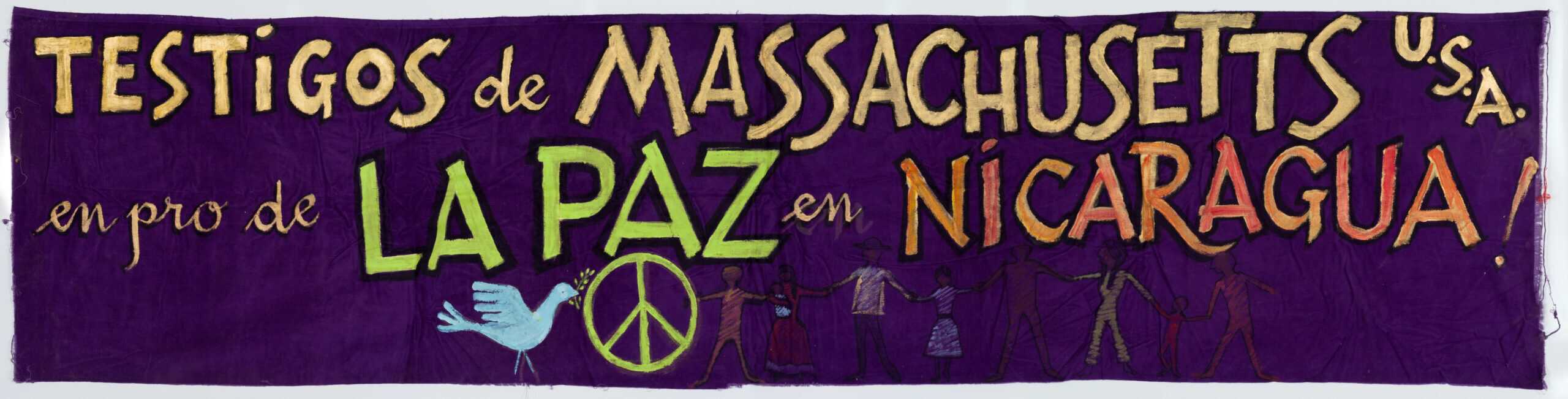
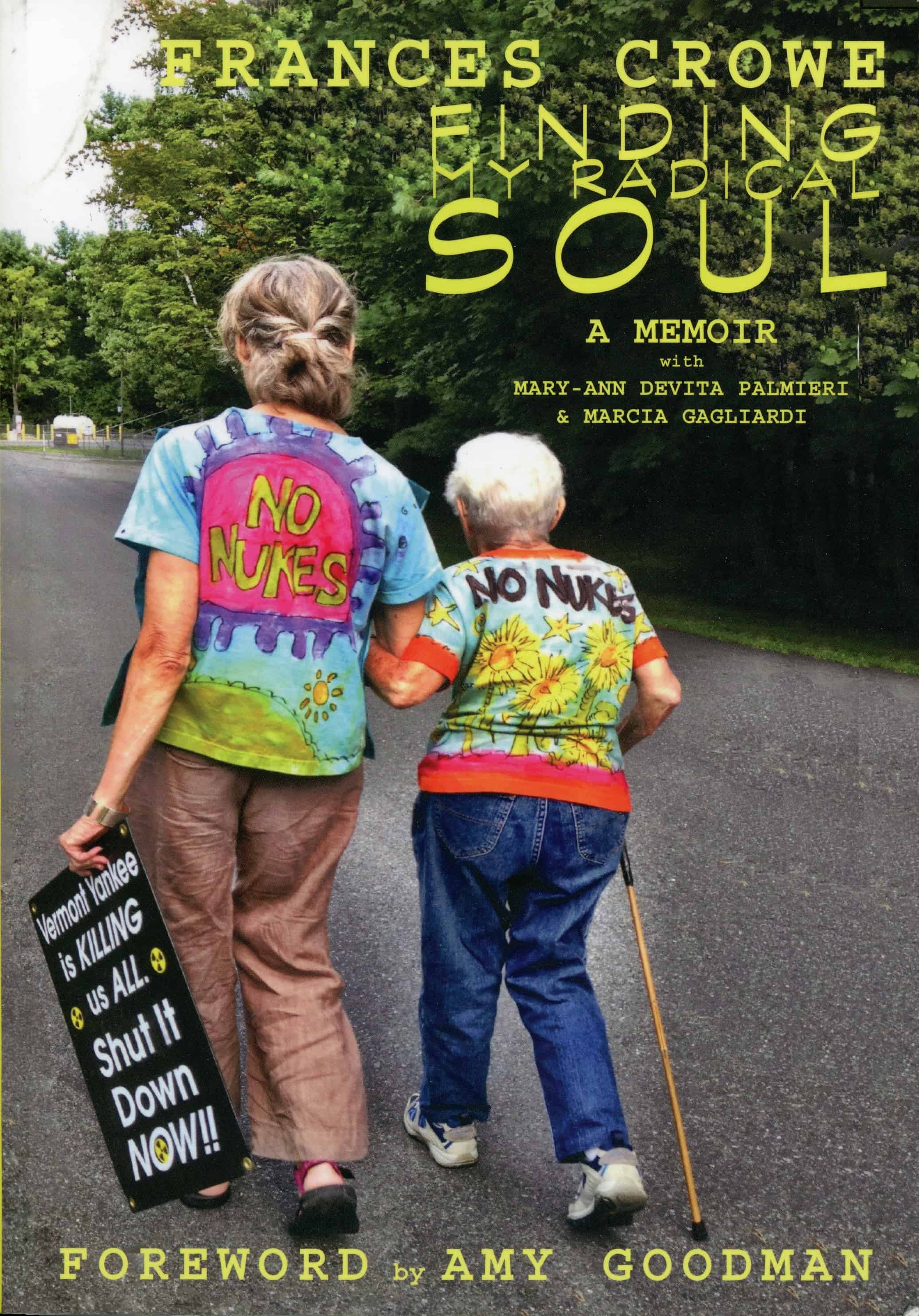
Frances believed in direct action. She was arrested more than 100 times for acts of civil disobedience. In 1984, she served a month in the Rhode Island Department of Corrections prison in Cranston for spray painting “Thou Shalt Not Kill” on a Trident missile casing at Electric Boat in North Kingston, Rhode Island. Her last arrest occurred in 2017 at the age of 98. She was protesting the building of the Kinder Morgan pipeline through a Massachusetts forest.
Frances walked the walk, literally and figuratively. She gave up her car and began taking buses. She became a war-tax refuser beginning with the Iraq War. In 1967, Frances who had become a Quaker, counseled more than 2,000 draft-eligible young men on how they could apply for conscientious-objector status. Decades later, some of those men, along with their children and spouses, would arrive at Frances’ house to thank her.
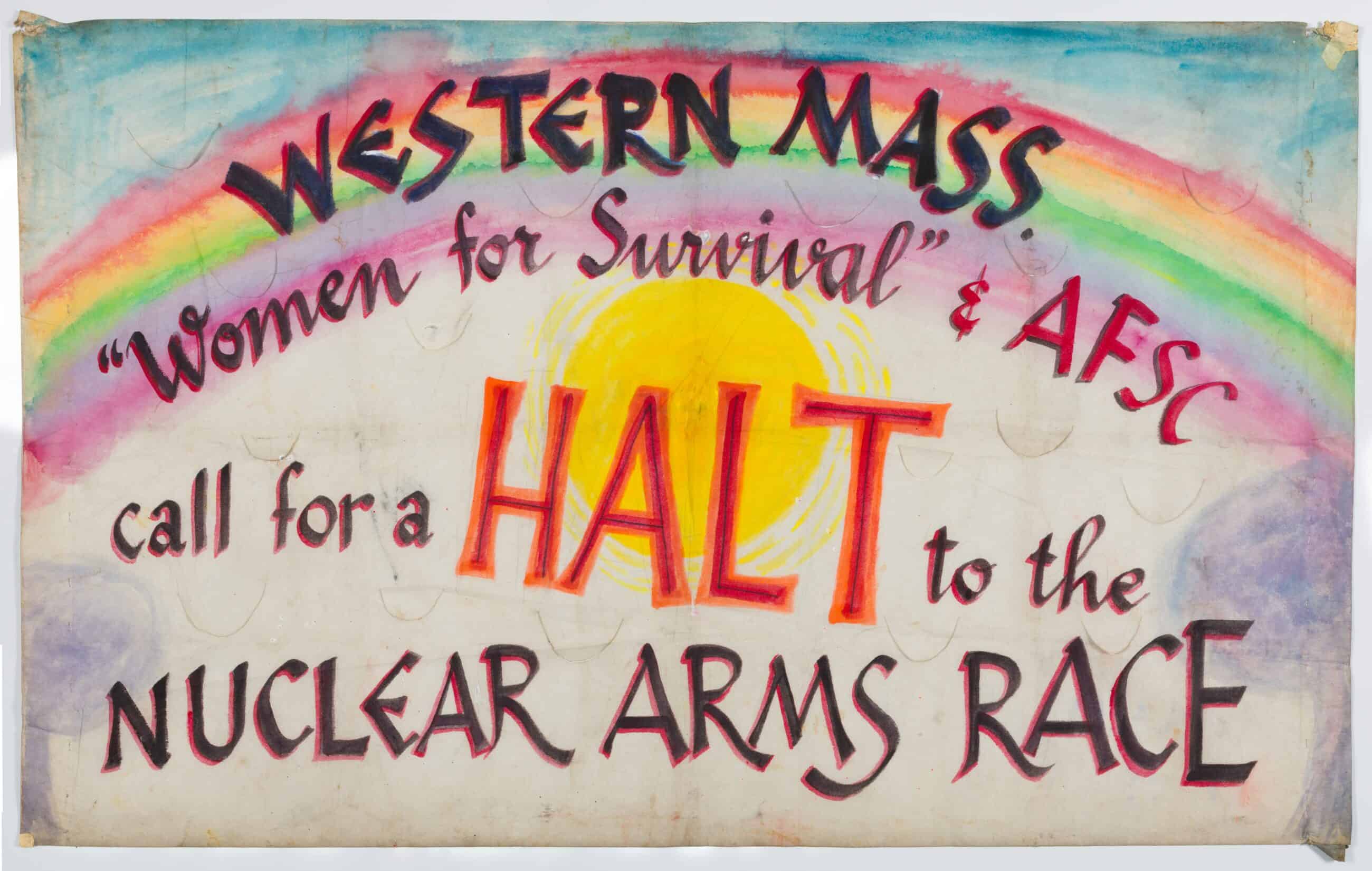
In 1980, Frances went before the Northampton City Council, asking them to pass a resolution calling on the U.S. and the Soviet Union to freeze the development and building of more nuclear weapons. People said it was symbolic, but it wasn’t. This was the beginning of the national Nuclear Weapons Freeze Campaign. On June 12, 1982, a million people came to Central Park to support the freeze; this helped to propel significant arms control and disarmament agreements between Ronald Reagan and Mikhail Gorbachev. By November 1983, the freeze had been endorsed by more than 370 city councils, 71 county councils, and by one or both houses of 23 state legislatures.
Frances used a similar strategy to call for divestment from the apartheid regime in South Africa. Soon it was taken up by other cities, towns, and colleges, including the University of Massachusetts. After she successfully convinced then-Chancellor Randolph W. Bromery to allow her to show the devastating film Last Grave at Dimbaza to the UMass board, they voted to become the first university to divest from South Africa.
Long before MLK Day, Frances believed Rev. Dr. Martin Luther King’s life should be celebrated. She and an organizing committee held yearly celebrations at a packed Academy of Music of Martin Luther King’s commitment to nonviolence and the struggle for racial equality and justice. Each year there were music and speakers and the screening of the powerful film Montgomery to Memphis. It was Frances who organized yearly commemorations of the bombing of Hiroshima and Nagasaki, bringing hibakusha (atomic-bomb survivors) to speak throughout the valley.
Frances was ahead of her time in understanding the power of the media. She showed hundreds of films, lugging a heavy 16 mm projector to classes, community meetings, churches, synagogues, and mosques. The basement office in her home at 3 Langworthy Road in Northampton was piled with “literature,” as she called it: petitions, bumper stickers, and buttons. From her office, Frances had ready access to her Rolodex, which was packed with hundreds of names and phone numbers of freedom fighters, organizers, and a small army of (mostly) women who sent out the newsletter of the Western Mass American Friends Service Committee, the organization she started.
When Frances first heard “Democracy Now,” it set her on a mission to bring the radio show to the valley. Not able to convince WFCR to broadcast the show, she set up a transmitter on the roof of her house. When the signal wasn’t powerful enough, she and a young friend climbed a mountain in the night to put up a larger tower and transmitter. She never gave up on having the show on the radio and then on community television. She finally succeeded when WFCR, after facing a donor boycott she organized, agreed to transmit the show to WMUA, where it remains today.
Frances’ unrelenting tenacity did not always win her friends. She had a file folder labeled “opposition” filled with hate mail. Decades later, most of the letter writers came to see that her opposition to war, nuclear power, and nuclear weapons was right. She led the way in embracing vegetarianism, eating locally and growing food locally—especially kale, which she grew in front of her house.
Frances received awards from many organizations, including Smith College. In 2019, the Daily Hampshire Gazette and United Way of Hampshire County honored Frances as their first “Person of the Year.” Being celebrated in her long-time home—where she was loved and respected by so many—meant a lot to her.
Additional Resources
- Katharine Q. Seelye, “Frances Crowe, Peace Activist and War Resister, Dies at 100 ,” New York Times, August 28, 2019 (need NYT subscription to view).
- Crowe, Frances, Mary-Ann DeVita Palmieri, and Marcia Gagliardi. Finding My Radical Soul. 2014
- Frances Crowe’s papers are archived at Smith College’s Sophia Smith Collection, Northampton, Massachusetts.
- There is an oral history of France Crowe in the Activist Life Oral Histories collection, Sophia Smith Collection, Smith College.
- Additional materials can be found at Historic Northampton.