David Ruggles
By Kim Gerould and Tom Goldscheider
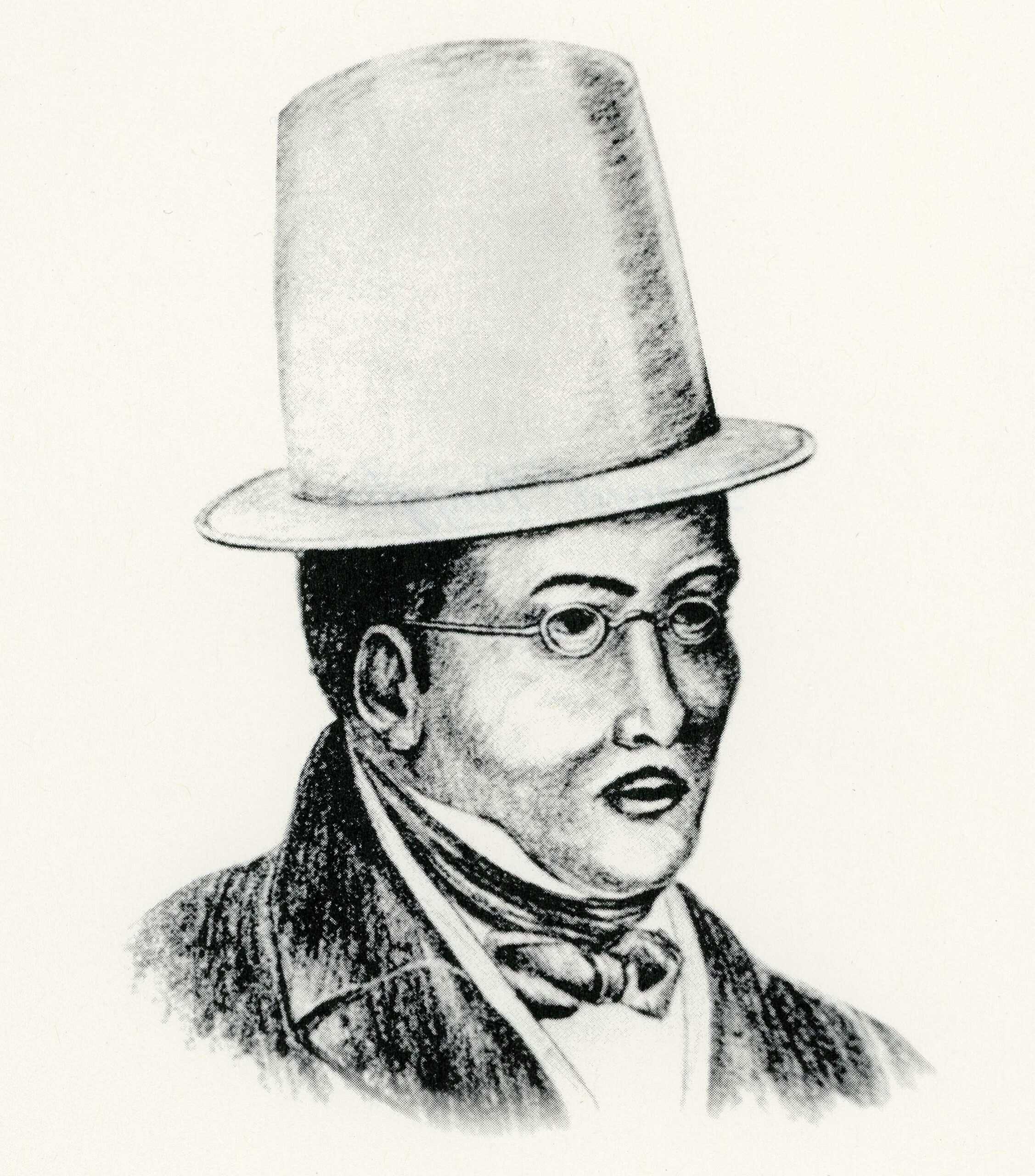
David Ruggles (1810–1849) was an African American abolitionist and active conductor on the Underground Railroad. He spent the last portion of his life in Florence, a village of Northampton, where he was a member of the Northampton Association of Education and Industry and an anti-slavery activist.
In 1842, David Ruggles, one of the nation’s most effective and fearless antislavery activists, arrived physically broken and penniless in what is now the village of Florence, to take refuge in the newly formed Northampton Association of Education and Industry.
From a free Black family, Ruggles grew up and was educated in Norwich, Connecticut. He settled in New York City as a young man, first opening a free-produce grocery store and later establishing the nation’s first Black-owned bookstore. In 1838, he published the first issue of the Mirror of Liberty, the first Black-produced magazine in the United States.
A critical developer of the Underground Railroad, he assisted over 600 formerly enslaved people on their paths to freedom, including the young Frederick Douglass and Florence’s own Basil Dorsey, a self-emancipated slave. He also founded and ran the nation’s first Committee of Vigilance, dedicated to protecting Black families from slave-catchers and kidnappers.
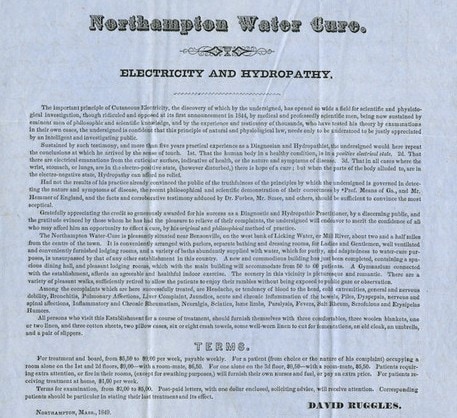
The last chapter of Ruggles’ short life was spent in Florence, where he became an integral and respected member of the Northampton Association and continued his anti-slavery work. Sojourner Truth joined the community a year later, and it is believed that Ruggles encouraged her to make her first anti-slavery speech in an 1844 meeting of the “Colored Citizens of Northampton.”
Finally, David Ruggles re-invented himself as a practitioner of hydropathy and established a well-known water cure establishment on the banks of the Mill River in Northampton. Sadly, in 1849, he died at the age of 39. He is buried in Norwich, Connecticut.
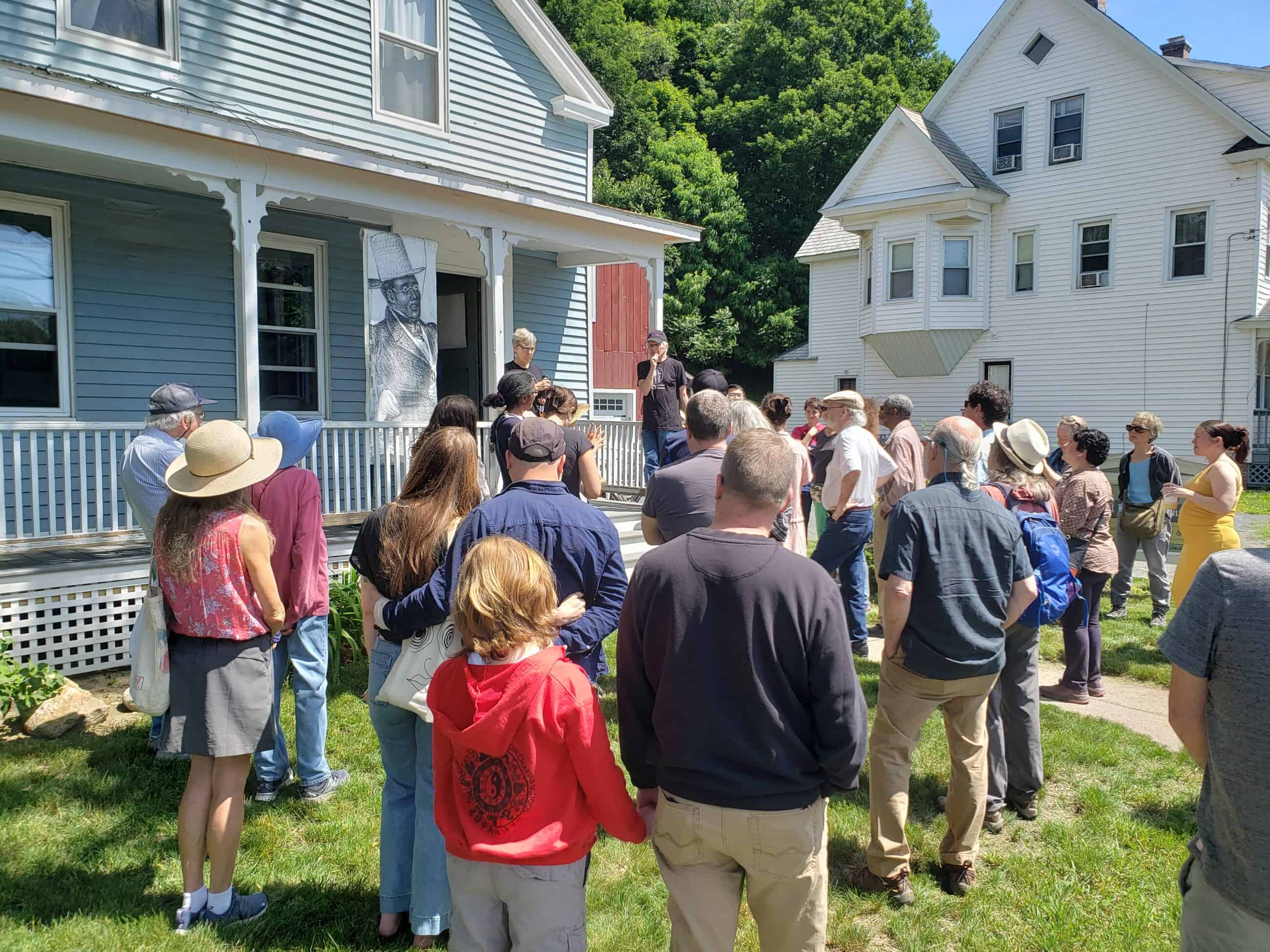
In 2008, the David Ruggles Center for History and Education was established to honor the contributions made to the abolition of slavery by courageous individuals in the Connecticut River Valley.
ADDITIONAL RESOURCES
David Ruggles Center for History and Education.
Hodges, Graham. David Ruggles: A Radical Black Abolitionist and the Underground Railroad in New York City. University of North Carolina Press, Chapel Hill, 2010.
Wells, Jonathan Daniel. The Kidnapping Club: Wall Street, Slavery and Resistance on the Eve of the Civil War. Bold Type Books, New York, 2020.