Northampton Association of Education and Industry
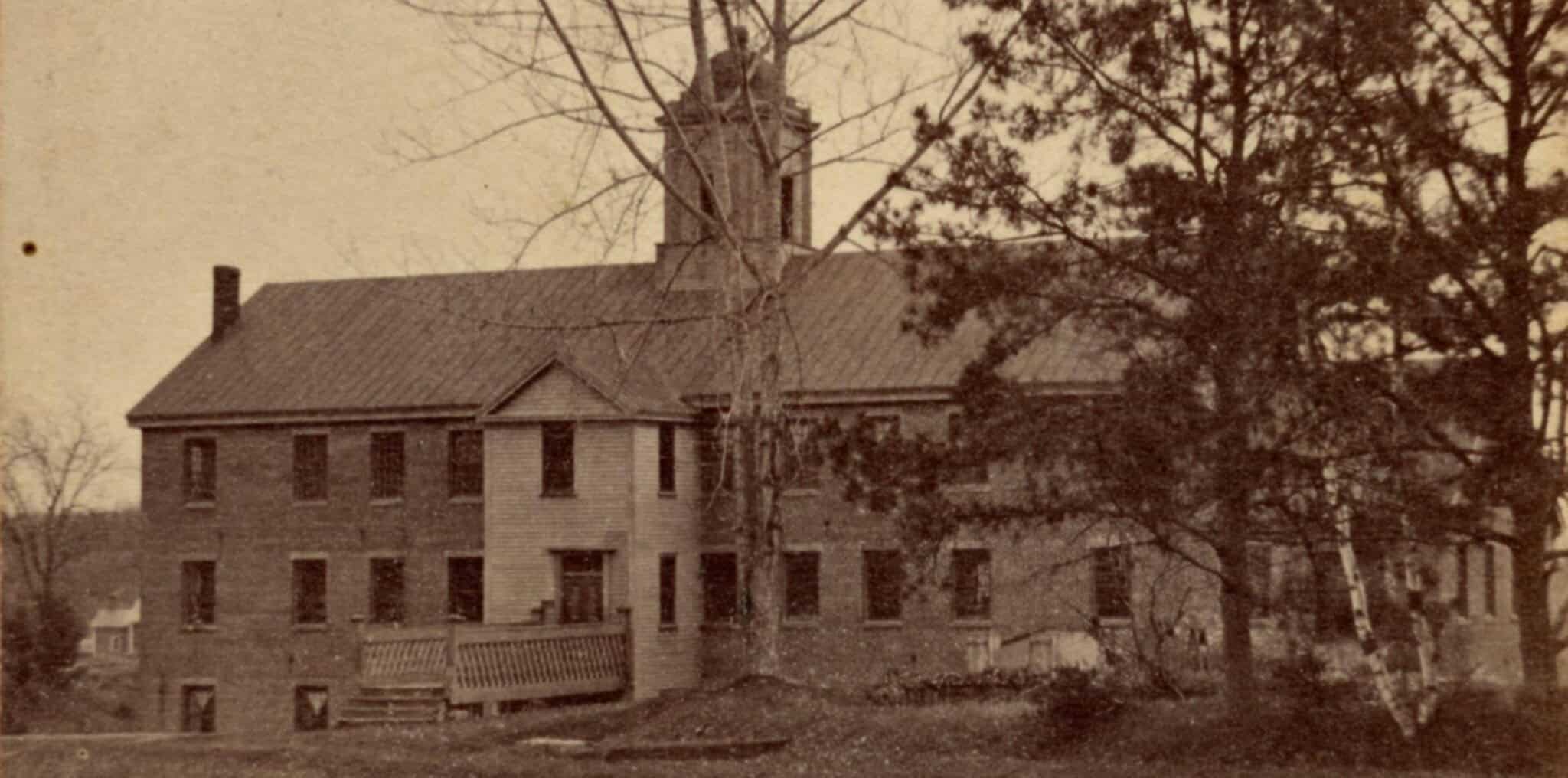
“The rights of all are equal, without distinction of sex, color, or condition, sect, or religion.” So declared the constitution of the Northampton Association of Education and Industry (NAEI), an intentional community that existed from 1842 to 1846 in the section of Northampton then known as Broughton’s Meadow.
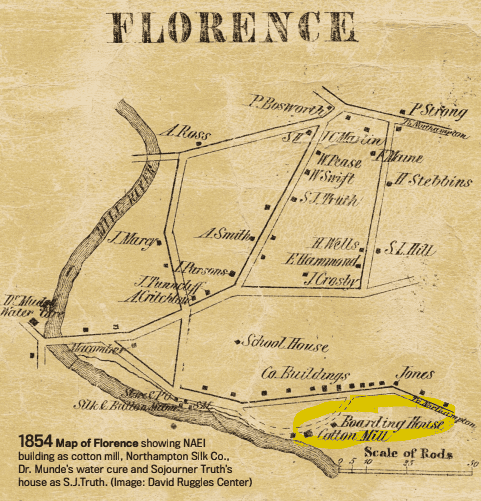
Abolitionism and Community
Many participants in the NAEI (there were more than 240 members in all, and about 120 at any one time) were supporters of the American Anti-Slavery Society and William Lloyd Garrison’s brand of immediate abolitionism, seeking to effect reform by “moral suasion” rather than participation in politics and government. Forming a “community” would be a means to this end, pointing a way to the future by modeling cooperative life and work in a society that embraced social, gender, and racial equality, and in which slavery had been overthrown.
Among the membership were Garrison’s brother-in-law, George W. Benson, and Samuel L. Hill, a manufacturer with abolitionist sympathies, anti-slavery lecturers such as Erasmus D. Hudson, and innovative teachers including Maria and David Mack. David Ruggles, prominent in helping enslaved people escape to New York City and in safeguarding their passage elsewhere, and Sojourner Truth, the evangelist who would also become an antislavery campaigner, became noted figures at the community.
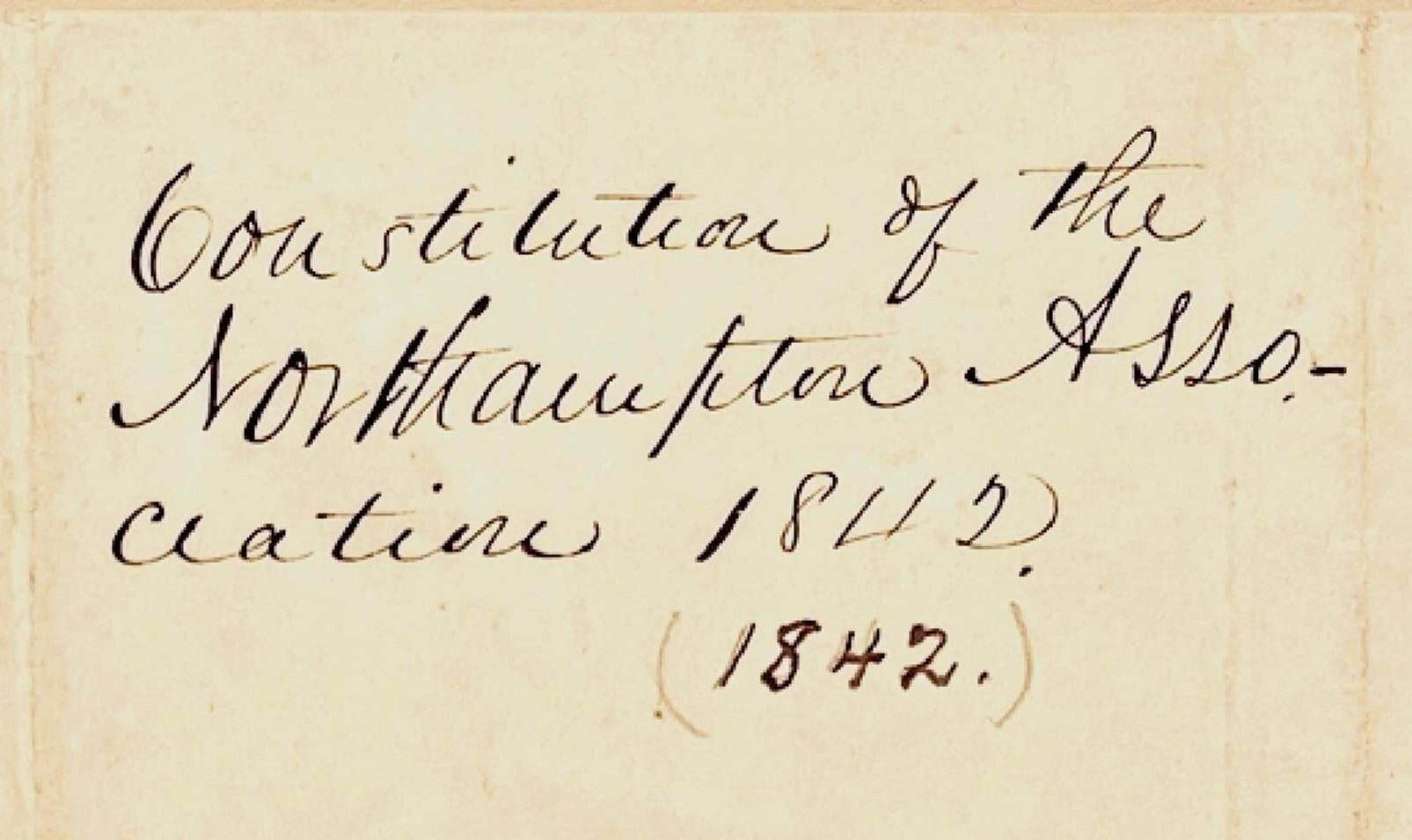
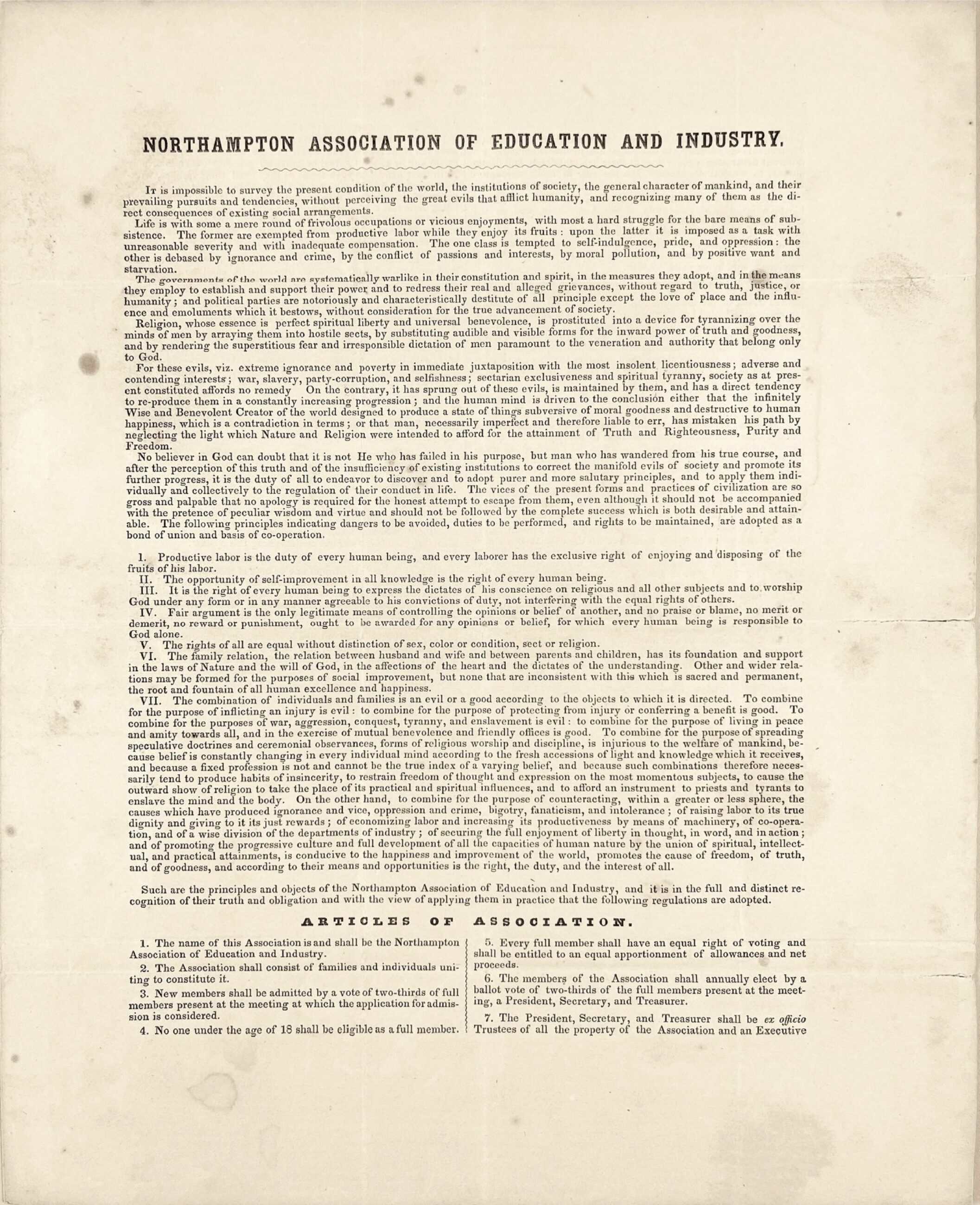
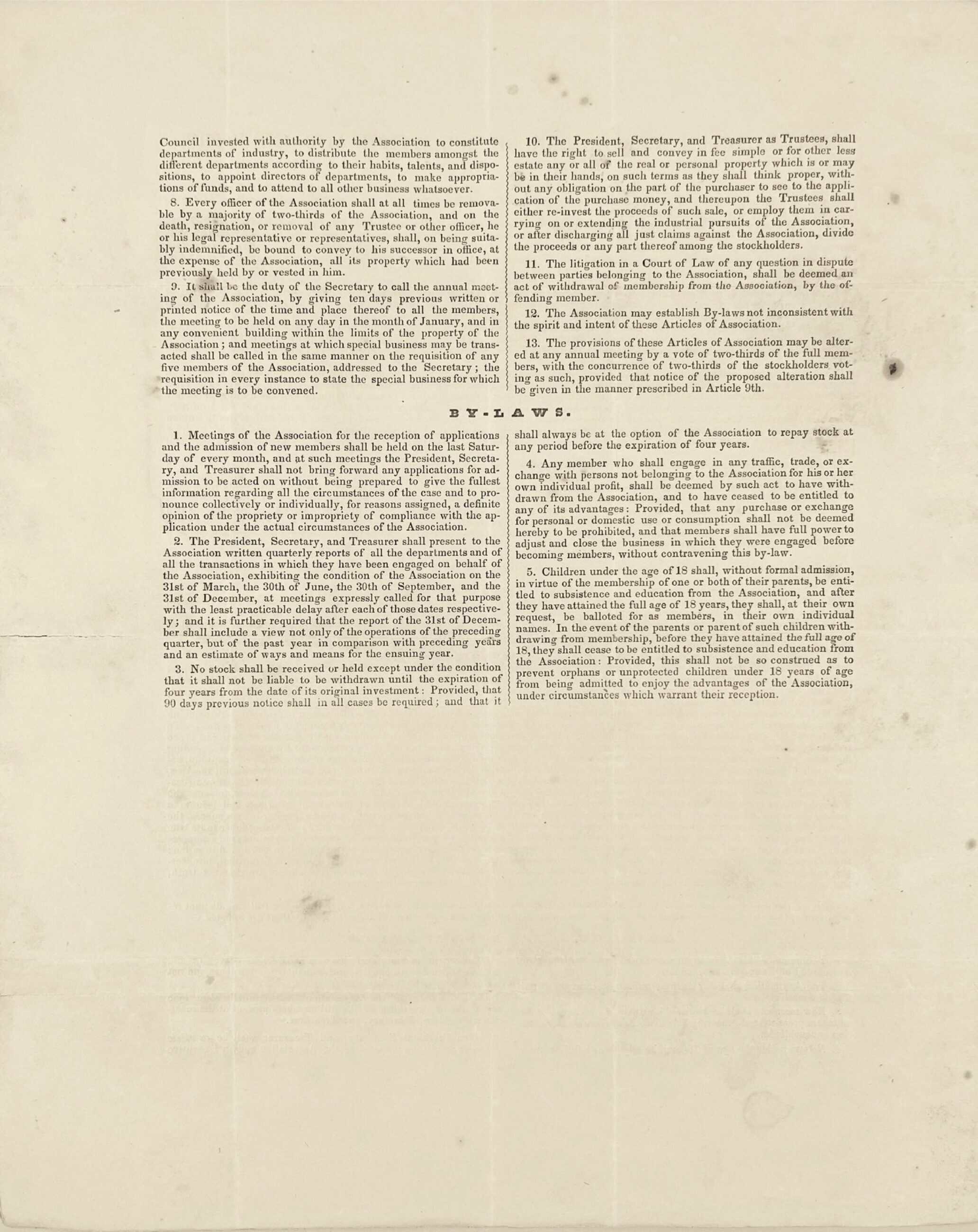
Note: Click on the documents to enlarge them.
An outpost of radical abolitionism in a region generally hostile to it, the NAEI hosted visitors from the movement, including Garrison himself, Frederick Douglass, and the famed Hutchinson family singers. Many members rejected denominational Christianity and its clergy, but the community held regular meetings to discuss religious and spiritual questions, inviting visitors to participate and subjecting skeptics to rigorous debate. Douglass recalled the NAEI’s “Spartan-like simplicity,” and that its “people struck me as the most democratic I had ever met.”
Radical Equality
Insisting on radical equality, a majority of members voted in 1843 to operate the community on a collective basis, replacing wage payments with guaranteed support according to age. Having purchased the nearly 500-acre property of Samuel Whitmarsh’s bankrupt Northampton Silk Company, the community operated a farm, sawmill, machine shop, and a school, but sought its main income from cultivating and manufacturing silk for sewing and similar purposes.
Silk Production
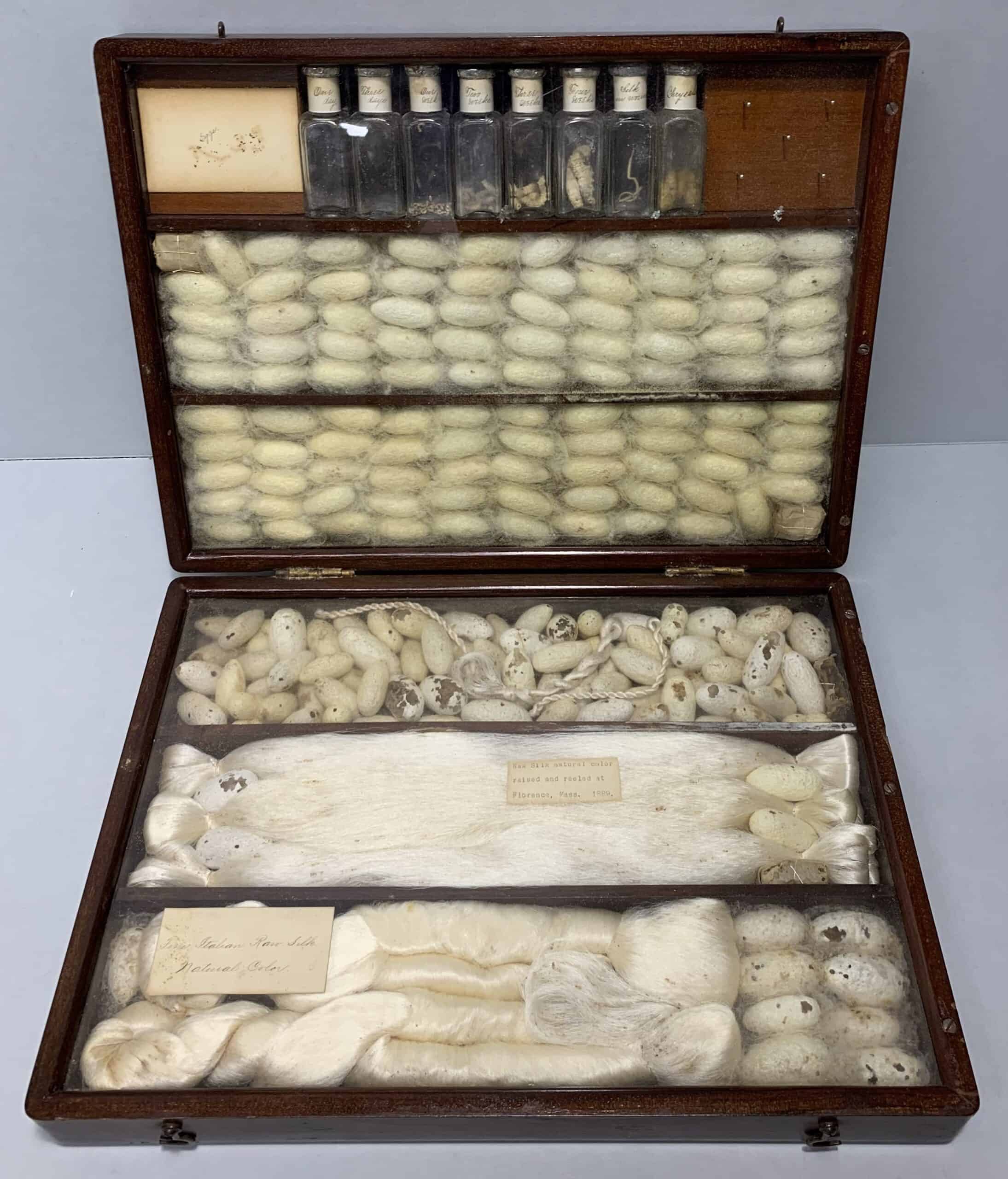
Many members came from Northeastern Connecticut, where silk production was already established, and the NAEI played a significant part in the building of Northampton’s silk industry, which thrived into the 20th century.
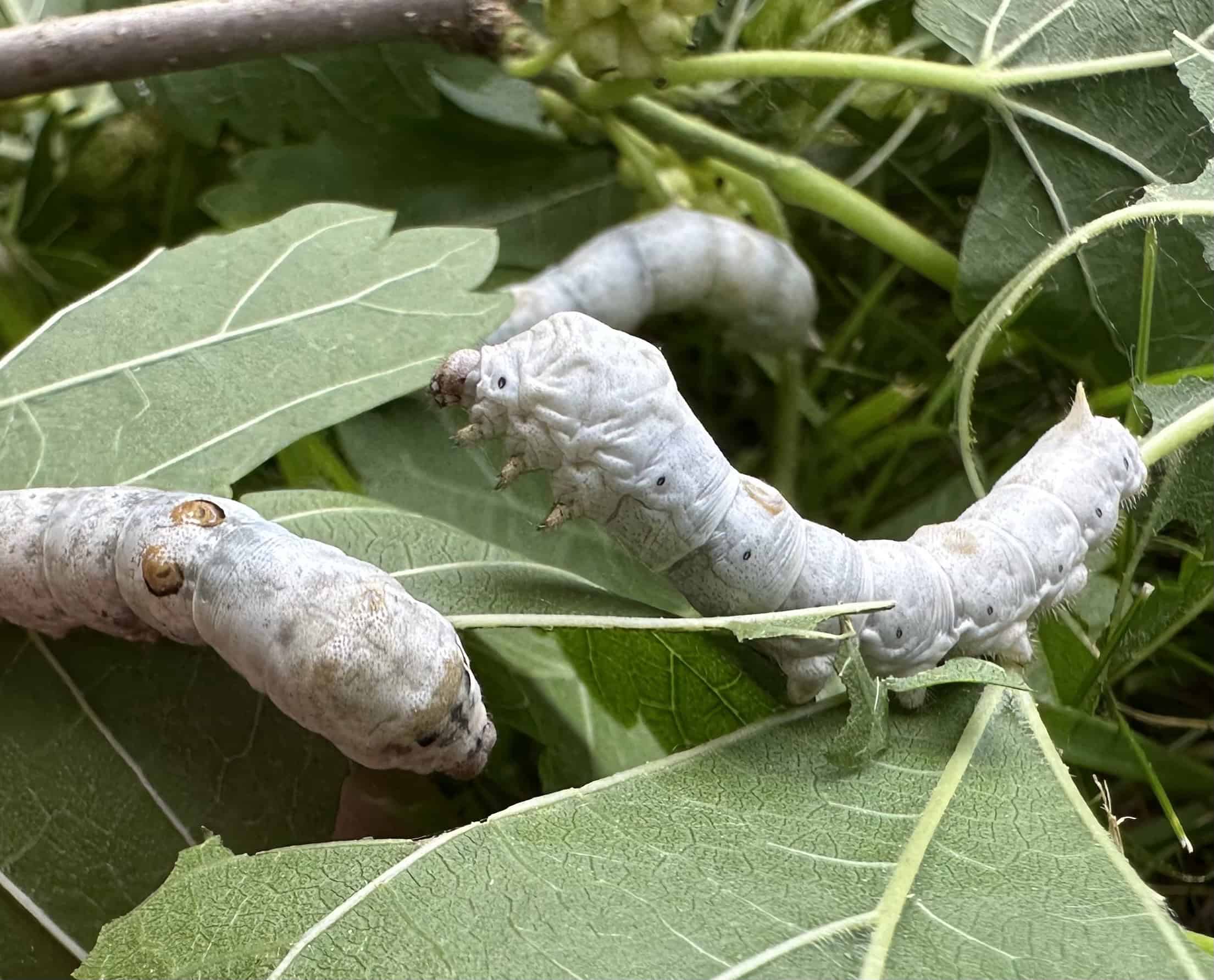
During its first three years, many of the community’s members lived in the four-story factory building; the letters of one of them, Dolly W. Stetson, tell of the advantages mothers such as her could obtain from cooperative living, and of the educational benefits the community afforded their children. But though its products were successful, the community’s shortage of capital and the challenges of silk-raising undermined its finances. Local raw silk proved too variable in quality for the factory’s machinery, and by 1844 the community was relying on silk imported from China. The NAEI’s membership peaked that year, then went into decline.
In 1845, Benson bought out part of the NAEI’s property, including the mill, to help it stave off bankruptcy. Some 60 remaining members sustained the community arrangements until November 1846, when they agreed to disband.
Legacy of the Community
Nevertheless, the community had a long afterlife, influential in Northampton’s subsequent history. A group of members led by Samuel L. Hill had for more than two years contemplated substituting a “neighborhood community” for the NAEI, and when as it closed, Hill assumed responsibility for the community’s remaining property and debts, and they set about realizing this goal.
More than 60 former members stayed in the vicinity after 1846, some for the remainder of their lives. Some participated in reform activities, including work for the Underground Railroad. Part of the community’s land was sold for development into house lots in a quickly growing village. David Ruggles opened one of Northampton’s first hydropathic, or “water-cure,” establishments, which were much in vogue before the Civil War. Hill and others established and ran silk works, machine shops, and other manufactories.
In 1852 they obtained a post office and, emphasizing its involvement with silk, renamed the village “Florence.” Florence’s machinists developed one of the first successful sewing machines, and Hill’s Nonotuck Silk Company thrived producing “machine twist”—the silk thread intended for use in sewing machines.
“I am in the cocoonery to work I like it very well this crop of worms are will be off in about three weeks. and then I am going to reeling I think it will be a very pleasant part to reel, (compared to what it was last summer) as the warter to be heated by steam so no heat will be in the room.”
Letter from 16-year-old Almira Stetson to her father James A. Stetson, 1844 [faithfully transcribed]
Looking back a quarter-century after the NAEI’s founding, Hill considered that “the idea that the Associative movement would … ultimately revolutionize the old system” had been “shortsighted.” “The millennium we thought so near seems a good way off now.”
Yet the legacy of the Northampton Association went farther than the growth of a factory village. Florence institutions perpetuated some of the community’s principles. The Free Congregational Society, founded in 1863, placed its tradition of nondenominational worship on a formal basis for the next 60 years. The Hill Institute, started in 1876 as the Florence Kindergarten, aimed—like the NAEI—to offer “healthy physical, moral, and intellectual development of children…unmixed with ecclesiastical…influence.” It was to be open to all residents “without distinction of race, nationality, or previous condition.” Though its role in education has shifted as needs have changed, the institute still works to “promote the well-being and elevation of humanity”–one of the community’s central tenets.
ADDITIONAL RESOURCES
Christopher Clark, The Communitarian Moment: The Radical Challenge of the Northampton Association. Cornell University Press, 1995.
Christopher Clark and Kerry W. Buckley, eds., Letters from an American Utopia: The Stetson Family and the Northampton Association, 1843-1847. University of Massachusetts Press, 2004.
David Ruggles Center for History and Education.
Stetson Family Collection, Historic Northampton. Contact us to schedule a research appointment.