Northampton State Hospital
The Patients Who Lived Here
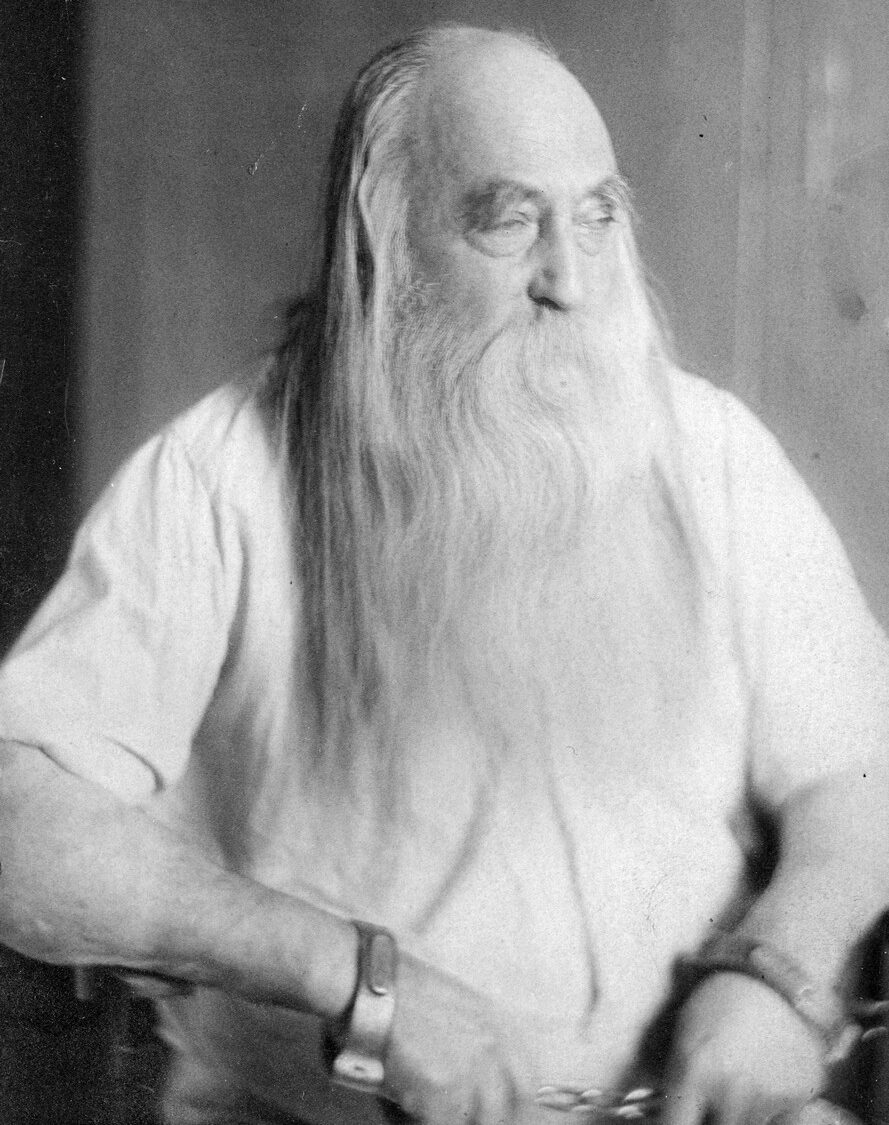
During its 135-year history, a total of 65,000 patients were admitted to Northampton State Hospital. Some stayed a few days, while others lived there 50 or more years.
In the early years, the patients were white Massachusetts residents—mostly farmers, laborers, domestics, or factory workers. They were joined by Irish immigrants transferred from overcrowded Boston facilities. Occasionally foreign-born patients outnumbered native-born ones. There were more women than men.
The most frequent cause for mental illness was listed as “unknown” or “hereditary.” Other reasons given were alcoholism, poor health, melancholia (depression), domestic trouble, death of a friend, disappointment in love, hard labor, religious excitement, postpartum depression, epilepsy, and head injury.
To commit someone to the asylum required only an order by a judge, physician, or family member. The asylum was a means of social control for “undesirable” persons, such as the poor, physically disabled (especially deaf persons), immigrants, or “deviant” women. As one former patient said, “the hospital was a convenient place for inconvenient people.”
By the early 20th century, the patient population had aged. In 1890, admitted patients more than 60 years old comprised 10%; this grew to 33% by 1936, and by 1948, the percentage stood at 50%. Most of the elderly were admitted with dementia.
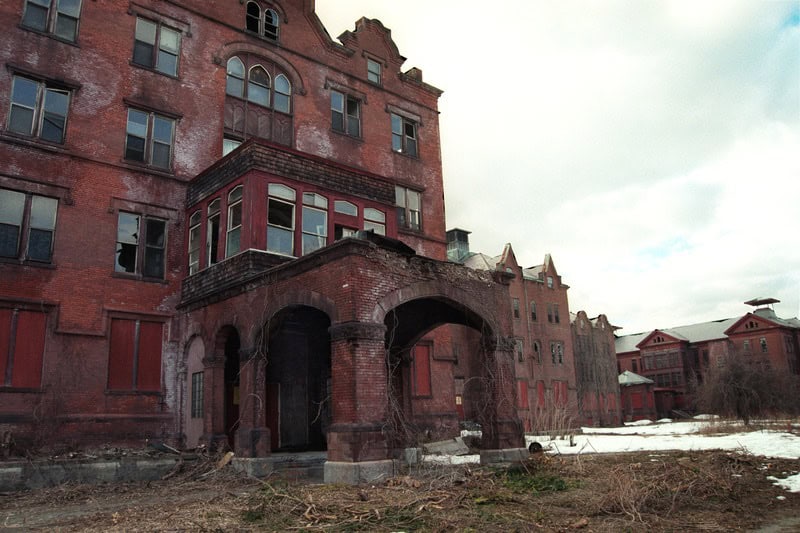
Early History
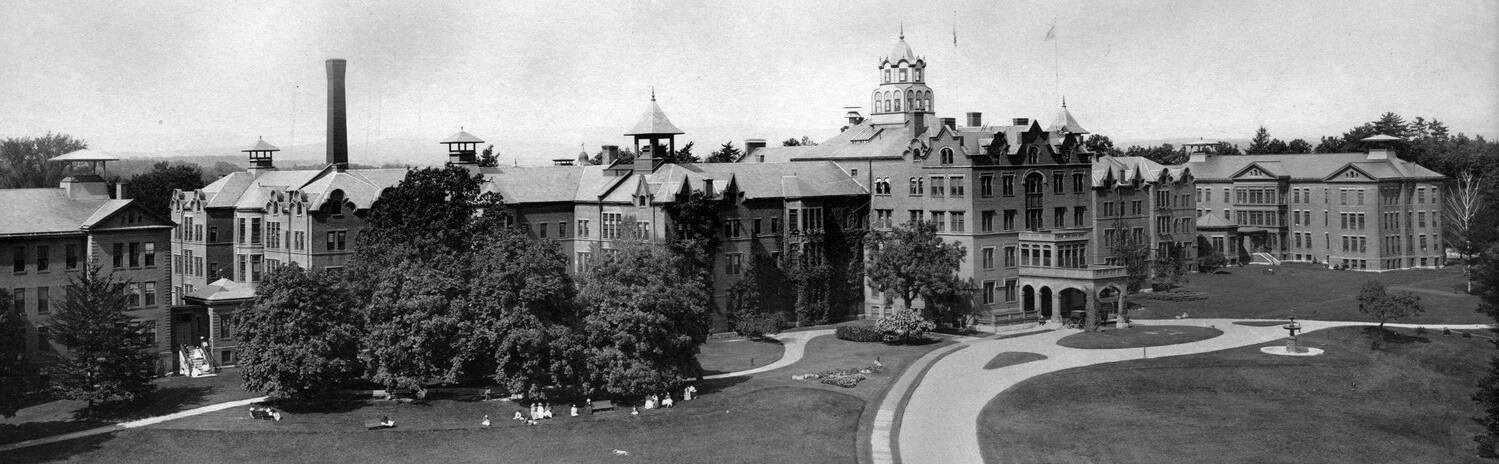
When the Northampton State Hospital opened in 1858 as the Northampton Lunatic Asylum, it was the third hospital for mentally ill people built by the state, after hospitals in Worcester and Taunton. Northampton’s was the first in western Massachusetts. The name was changed to Northampton State Hospital (NSH) in 1905.
When built, the Northampton Lunatic Asylum was at the forefront of humane treatment of the mentally ill. Designed according to the Kirkbride Plan, named after psychiatrist Thomas Story Kirkbride, the hospital provided rest, nutrition, fresh air, and care in a scenic landscape so that mentally ill persons could improve on their own. The hospital was built with high ideals. In the early 19th century, most mentally ill people were abandoned in jails, poorhouses, cellars, and attics. Psychiatrist Thomas Kirkbride believed that removing a mentally ill person from these harsh environments and into a more pleasant institution was “often nearly all that is required to restore the healthy balance of the faculties.”
Overcrowding
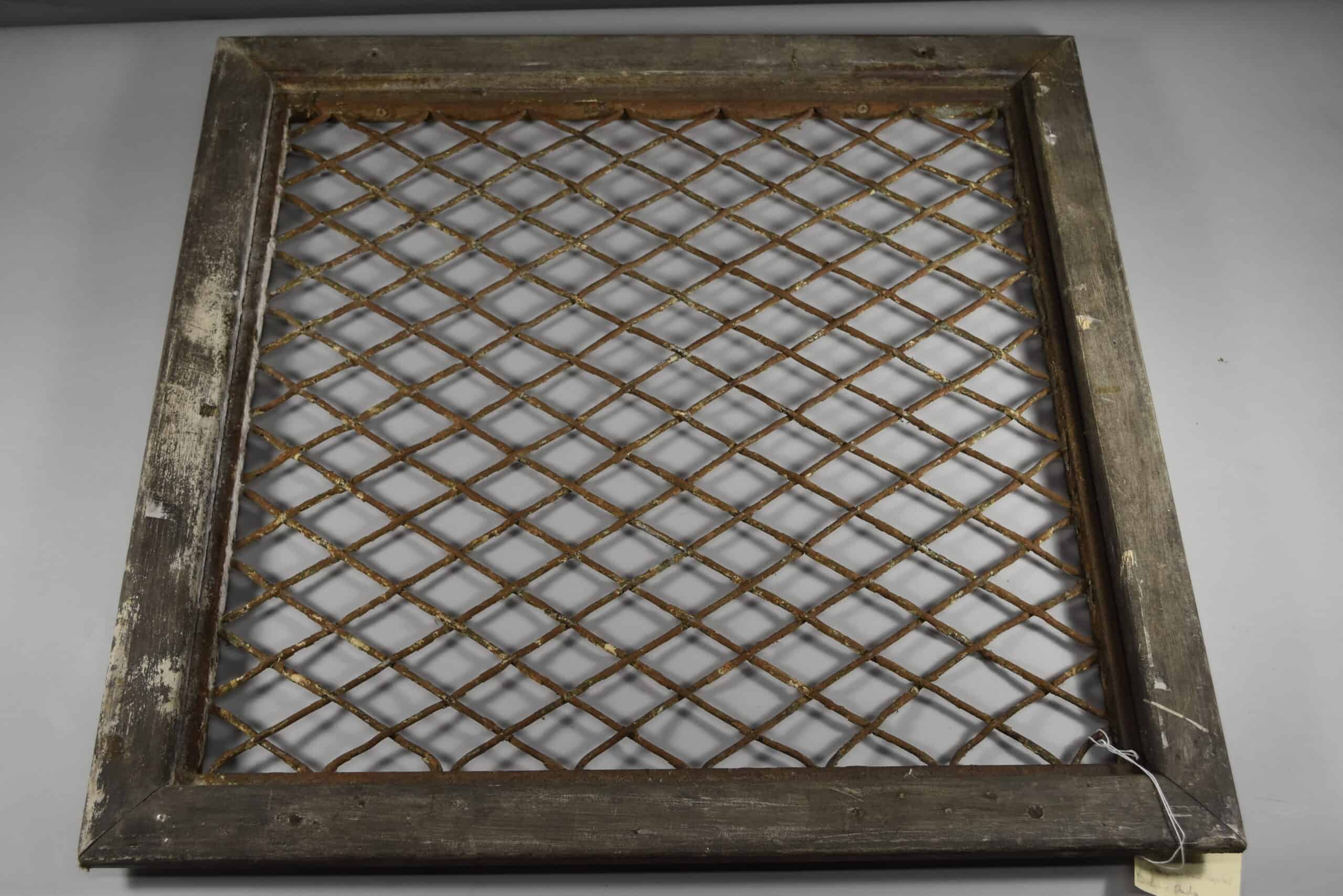
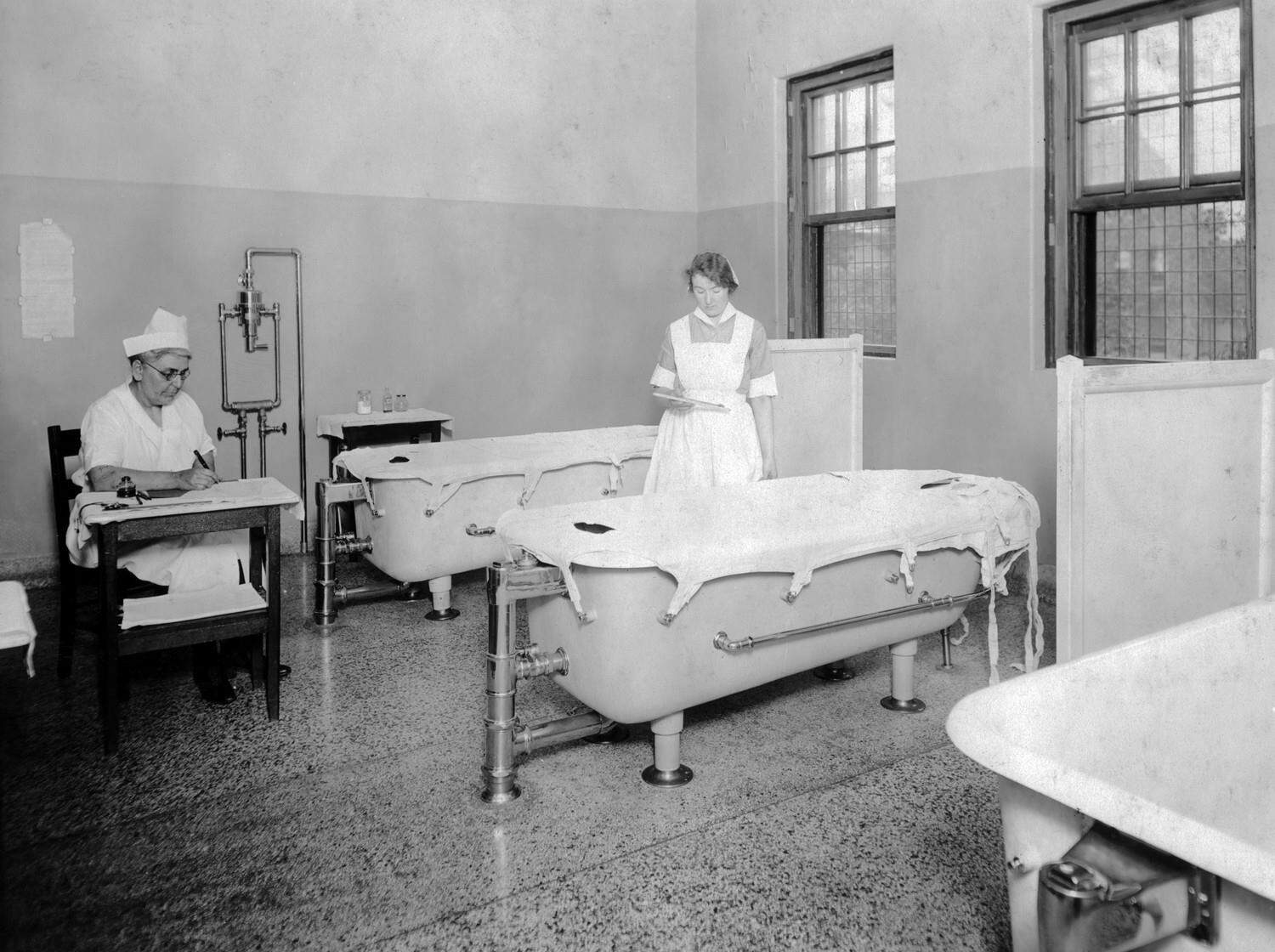
But the optimism for this method of treatment was short-lived. By 1900, the hospital was overcrowded, underfunded, and short-staffed. Physical treatments and means of restraint became increasingly aggressive and many patients were tranquilized, locked away, or tied to their beds. Hospital superintendent Dr. John A. Houston wrote in the hospital’s 1922 annual report that the conditions were so unmanageable that the staff had become “seriously handicapped in the care of our patients.” Custodial care became the norm.
Memorial Complex
In 1925, in an attempt to accommodate the rapidly growing patient population, a new complex was built on hospital grounds across Prince Street. It included patient dormitories for chronically ill and long-term residents, staff residences, a power plant, and a laundry. The new complex allowed room for as many as 1,000 patients. The Memorial and Main complexes were linked by enclosed walkways, with a tunnel under Prince Street.
The number of patients continued to rise until in 1955 the number peaked at 2,500. Northampton became the center of mental-health services for the four western Massachusetts counties.
Poor Care
By the 1960s and 1970s, with fewer of the resources needed to adequately treat their patients, the hospital fell into disrepair and reverted to custodial care with a heavy use of medications to manage patients. In 2006, Sanford Bloomberg, a psychiatrist who worked at the hospital, said:
Most of the patients we saw between the locked doors sat blank-faced or shuffled about the room in what I imagined to be a Thorazine stupor… there seemed to be no object or activity with which patients could interact even if there had been a twinkle of engagement left in them.
Closing the Hospital
At the same time, ideas about mental illness and confinement were beginning to change. The hospital developed a reputation for inhumane and abusive treatment. Moreover, federal funding promoted community-based programs rather than institutionalization. By 1975, many patients had been deinstitutionalized and only 700 people remained at the hospital.
In 1976, the Northampton-based Center for Public Representation filed a class-action lawsuit against the Commonwealth of Massachusetts on behalf of several NSH patients, claiming violations of their rights to be treated in the “least restrictive” environment. In 1978, both parties entered into a “consent decree” agreement to gradually discharge the patients into community programs.
The deinstitutionalization process was estimated to take three years, but it stretched to the next 15 years, as staff worked to find places for all patients. This transition was difficult for some of the patients, many of whom had spent years or decades at the hospital and considered it home. However, all patients were eventually transferred. Some returned to NSH for a short-term stay, some ended up homeless, others were incarcerated, and some integrated well into society. The hospital closed in August 1993 when the last 12 patients were transferred.
In 2006–2007, many of the hospital buildings were demolished. What had been called Hospital Hill was now called Village Hill. It became a residential community, with some affordable housing.
Memorial
In the early 2020s, the Northampton Historical Commission’s memorial project established a park and reconstructed the fountain in its original location. The purpose was to create a space for reflection on the lives of the 65,000 people admitted to the hospital during its 135-year history and to remember the staff who worked there. By reading signs placed around the site, visitors can take a self-guided tour of the former Northampton State Hospital grounds (now Village Hill) to learn about the hospital’s history.
FURTHER READING
Bloomberg, Sanford. The History of Northampton State Hospital, 1858-1993: phases in the treatment and civil rights of the mentally ill. Collective Copies, 2006.
Dix, Dorothea Lynde. Memorial: To the Legislature of Massachusetts [protesting Against the Confinement of Insane Persons And Idiots In Almshouses And Prisons]. Munroe & Francis, 1843.
Jarvis, Edward. Report on insanity and idiocy in Massachusetts. Publisher, William White, 1855.
Kirkbride, Thomas S. On the Construction, Organization, and General Arrangements of Hospitals for the Insane. J.B. Lippincott, 1880.
Earle, Pliny. The Curability of Insanity. J.B. Lippincott, 1887.
McCarthy, Katherine E. “Psychiatry in the Nineteenth Century: The Early Years of Northampton State Hospital.” Ph.D. thesis, University of Pennsylvania, 1974.
Moore, J. Michael and Anna Schuleit Haber. Images of America: Northampton State Hospital. Arcadia Publishing, 2014.
Moore, J. Michael and Stan Sherer. The Life and Death of Northampton State Hospital. 2024.
Sanborn, Franklin Benjamin. Memoirs of Pliny Earle, M.D.: With Extracts from His Diary and Letters. Damrell & Upham, 1898.
Tomes, N. The Art of Asylum-Keeping. University of Pennsylvania Press, 1994.
OTHER RESOURCES
Northampton State Hospital Collection at Historic Northampton includes documents, objects, and more than 600 photographs which have been digitized and can be viewed in the catalog.
“A Place for Madness.” 1994. Frontline. PBS.
City of Northampton, “State Hospital Memorialization.”
“Northampton State Hospital Annual Reports 1856 – 1939.” University of Massachusetts Special Archives.
Northampton State Hospital website created by Christopher Sparks (Includes oral histories and link to 1994 Frontline episode “A Place for Madness”).
Video of Lecture at Forbes Library, “A History of Northampton State Hospital” by Dr. Sanford Bloomberg, 2006.