Enslaved Seamstresses on the Watson Plantation
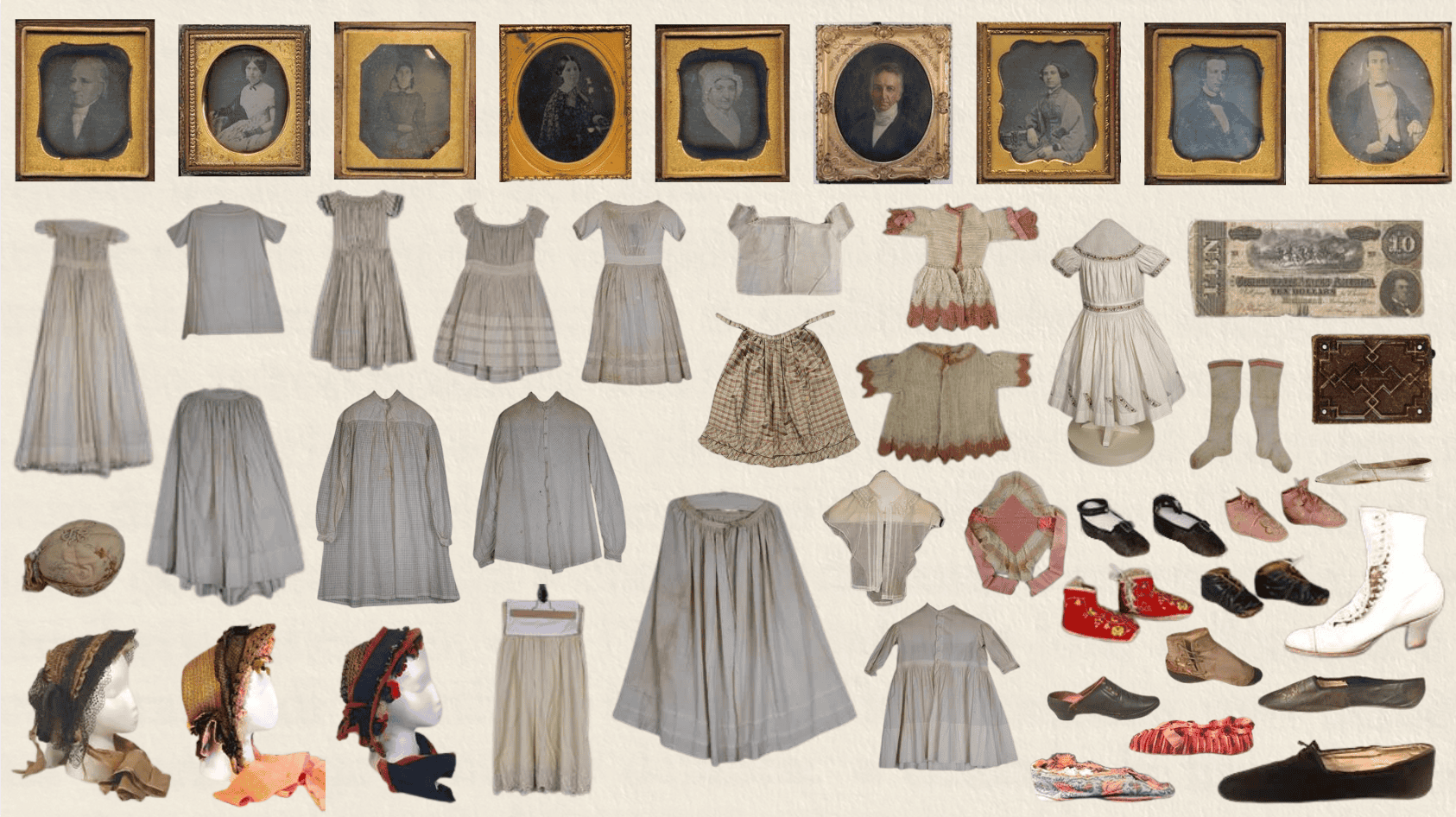
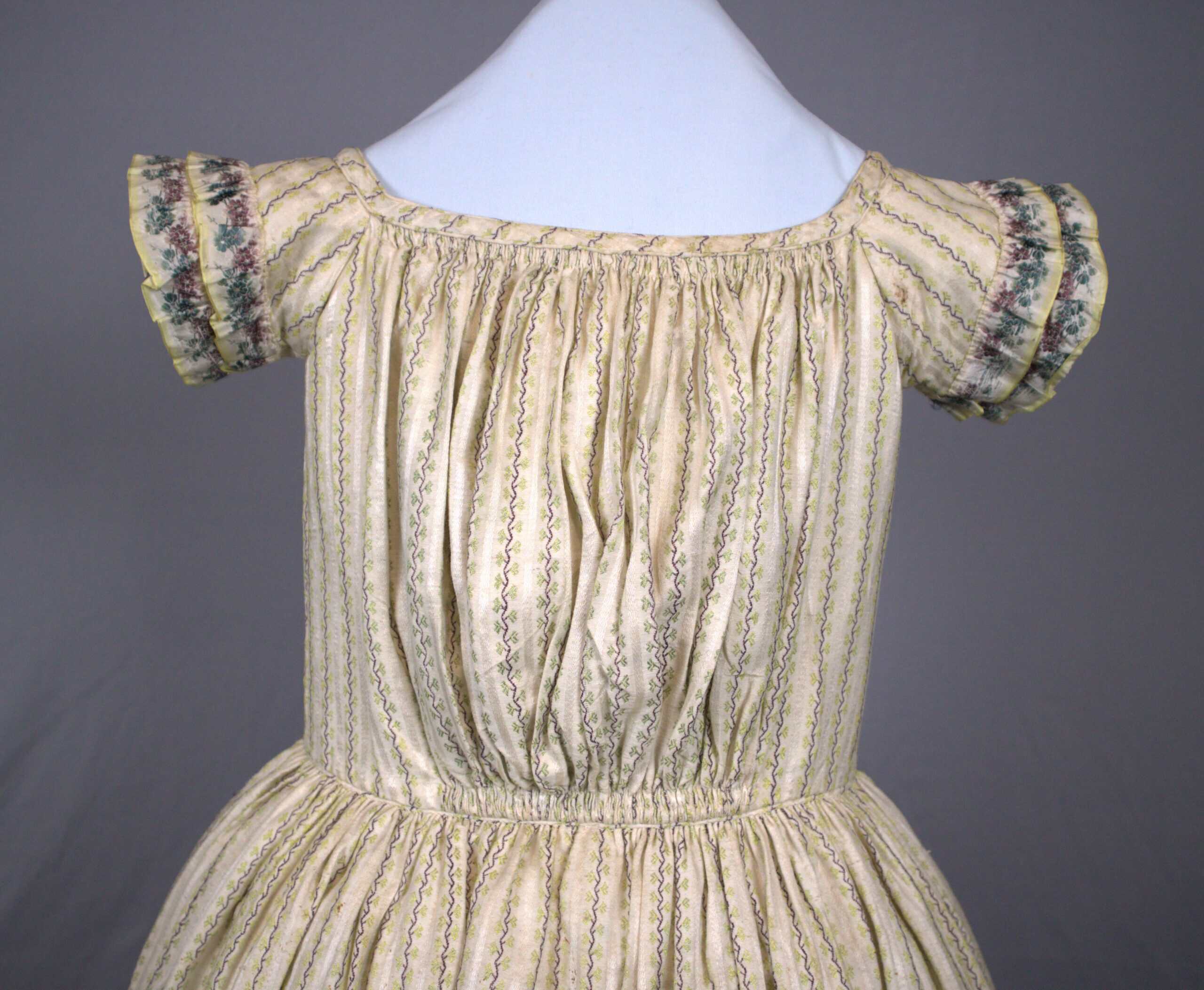
The Watsons were a wealthy and influential family in late-19th to early-20th-century Northampton who made their money as enslavers and plantation owners in Alabama. Before the Civil War, they enslaved at least 228 people on their cotton plantation in Newbern, Alabama, and in their household in Greensboro, Alabama. The Watson descendants were among the early supporters of and donors to the Northampton Historical Society (now Historic Northampton). Many of the items donated were brought from Alabama when the family moved here in 1860. Some of the clothing donated likely was made by the enslaved seamstresses owned by the family.
From Antebellum Alabama to Northampton
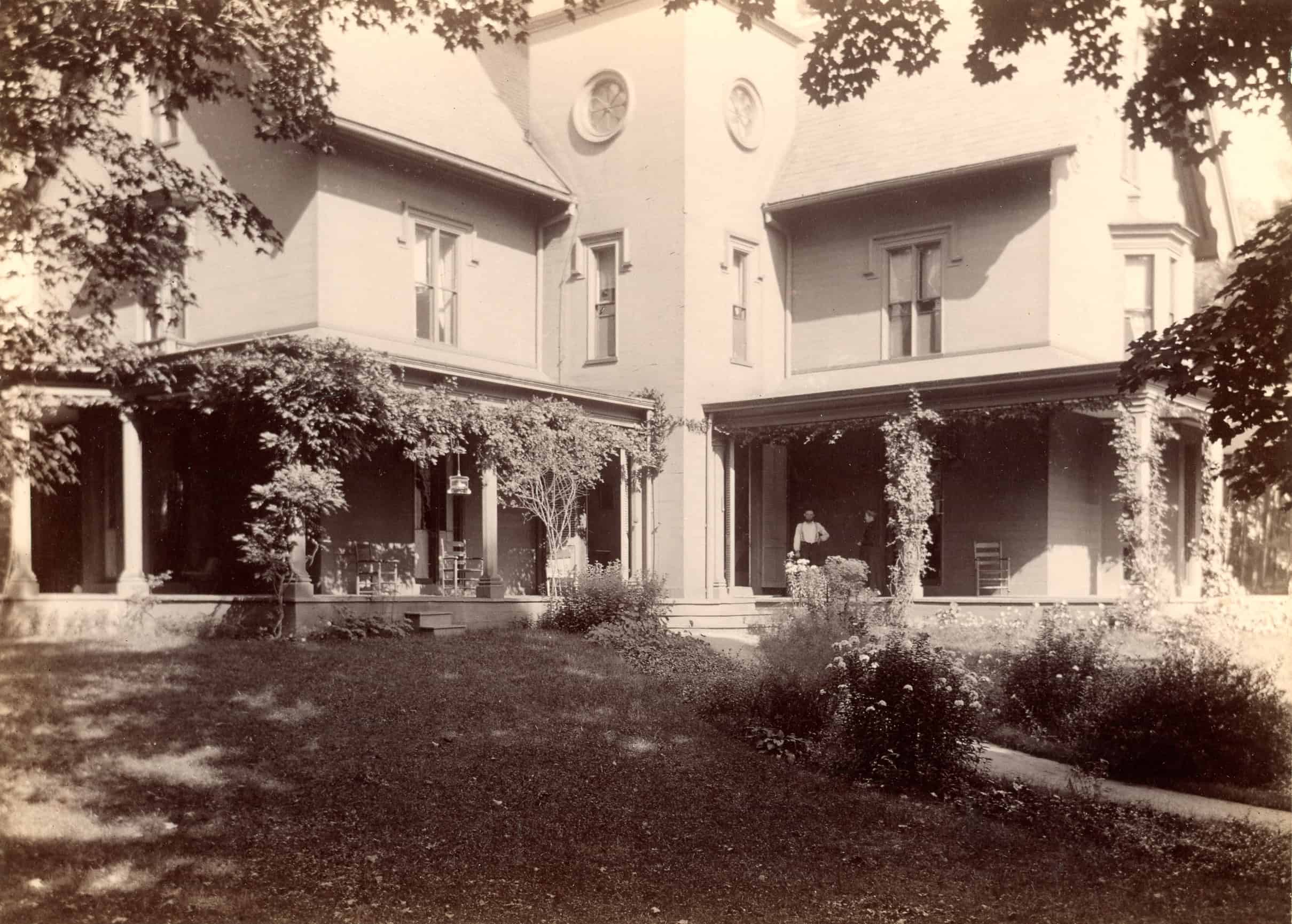
In 1860, the Watson family moved from their home in Alabama to Northampton to treat the chronic illness of the family’s matriarch, Sophia Watson. They purchased the land known today in Northampton as Childs Park before it was eventually purchased by the Childs family and turned into the park we know today. Soon after the Watsons arrived in Northampton, Sophia died, and the family left the country for Europe to avoid the political turmoil of the Civil War.
Upon returning to Northampton in 1865, the Watsons established permanent residency on a property called Wildwood. They also continued to manage their Alabama plantation, now a share-cropping operation.
Their children would grow up to become influential members of the town’s civic and political life, and contributed financially to many well-known Northampton organizations, including Forbes Library, Lathrop House, Cooley Dickinson Hospital, and the Edwards Congregational Church. They were also active early members of the Northampton Historical Society (today Historic Northampton) and donated over 100 objects to our collections, primarily clothing items from their time on the Alabama plantation.
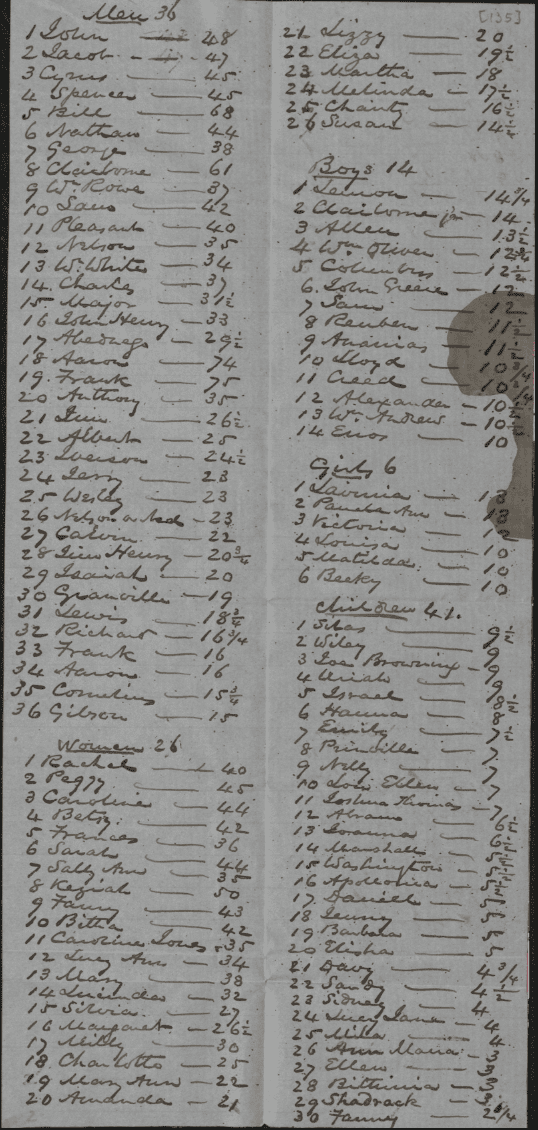
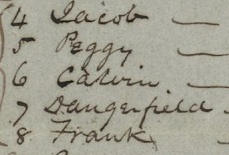
In January of 2026, Elizabeth Sacktor and Anaëlle Cama from Historic Northampton travelled to Durham, North Carolina, to explore Henry Watson’s papers at the Duke University Rubenstein Rare Book and Manuscript Library. Using the family’s correspondence and plantation records, they were able to identify the individual enslaved women who likely made Historic Northampton’s collection objects and built the wealth that supported the Watson family’s impact on Northampton today.
Scroll down to read about the Watson family and the lives of the women that they enslaved.
People in the Watson Household
-
-
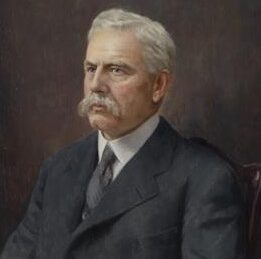
Arthur Watson
1851 – 1922
Arthur Watson was an influential Northampton politician, serving as mayor in 1900 and on the Board of Trustees at Forbes Library for 30 years. He was raised on a cotton plantation in Greensboro, Alabama, where his family enslaved 223 people.
-
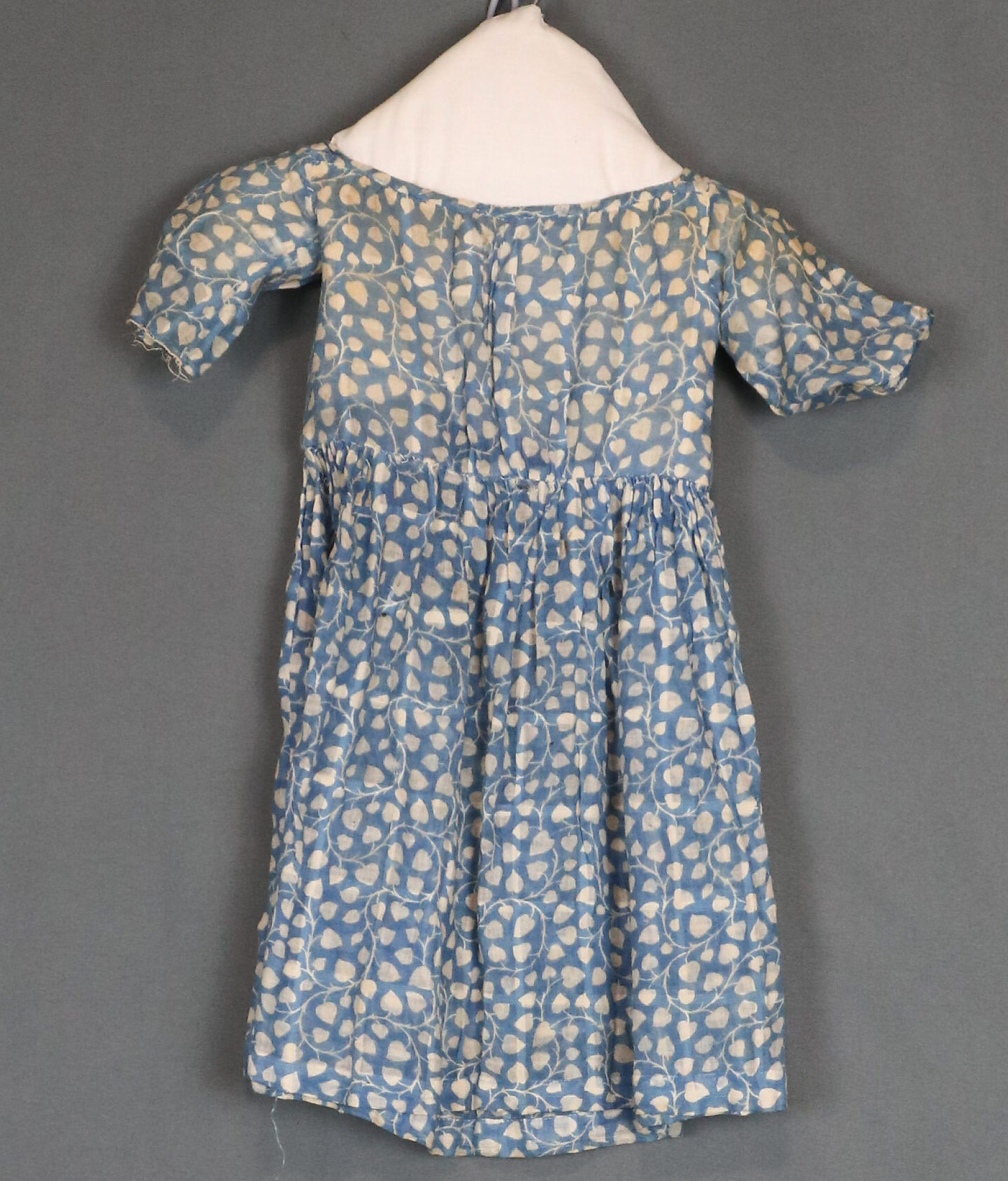
Elizabeth/Lizzy
b. 1845
Enslaved seamstress who was born on the Watson Plantation and lived in both the household and plantation until she gained freedom at age 20.
-
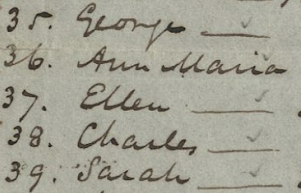
Ellen
b. 1807
Enslaved cook and laborer both in the Watson household and on their plantation. It is likely she was first enslaved by the Pecks.
-
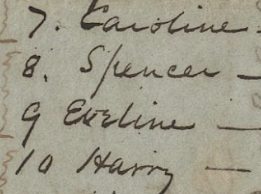
Eveline
c. 1820 – 1850
Enslaved nurse for the Watson household and plantation, likely originally owned by the Pecks.
-
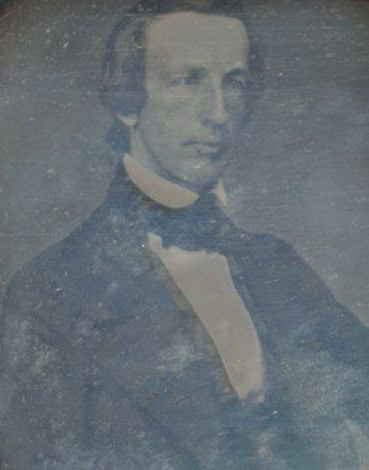
Henry Watson Jr.
1810 – 1891
A plantation owner from Alabama who established himself in Northampton following the Civil War. He enslaved 223 people.
-
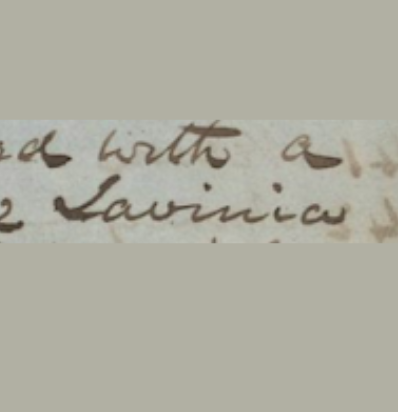
Lavinia
b. 1852
An enslaved domestic laborer who was born into and spent her entire documented life within the Watson household.
-
-
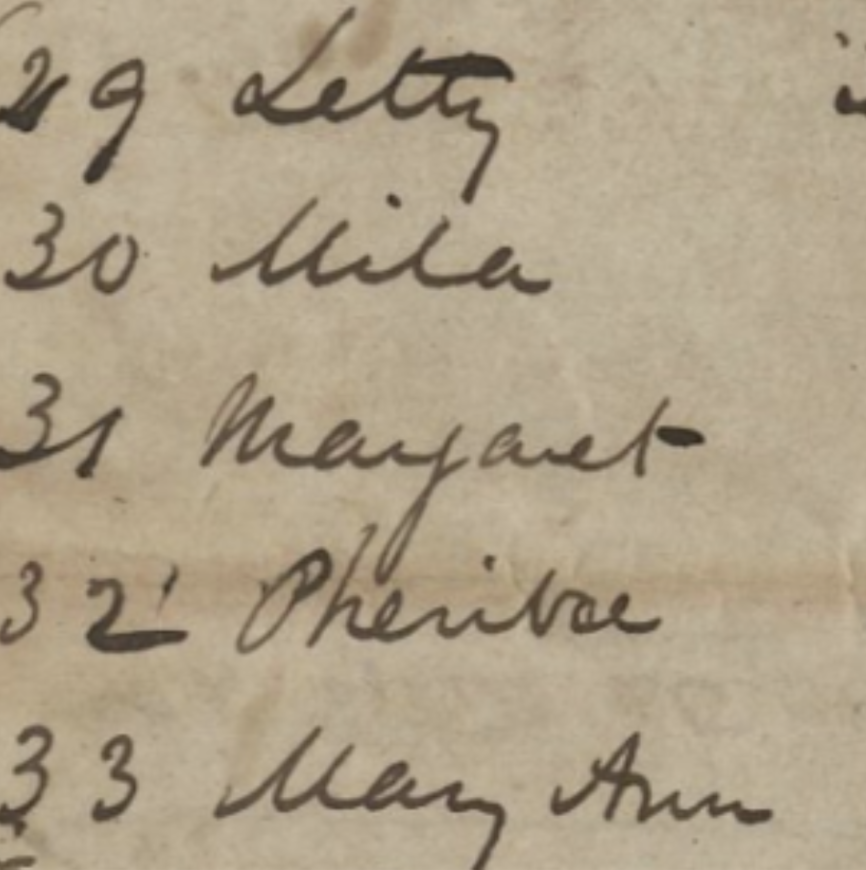
Margaret
b. c. 1837
Enslaved seamstress to the Watson family, purchased with her mother and sisters as a child by Henry Watson.
-
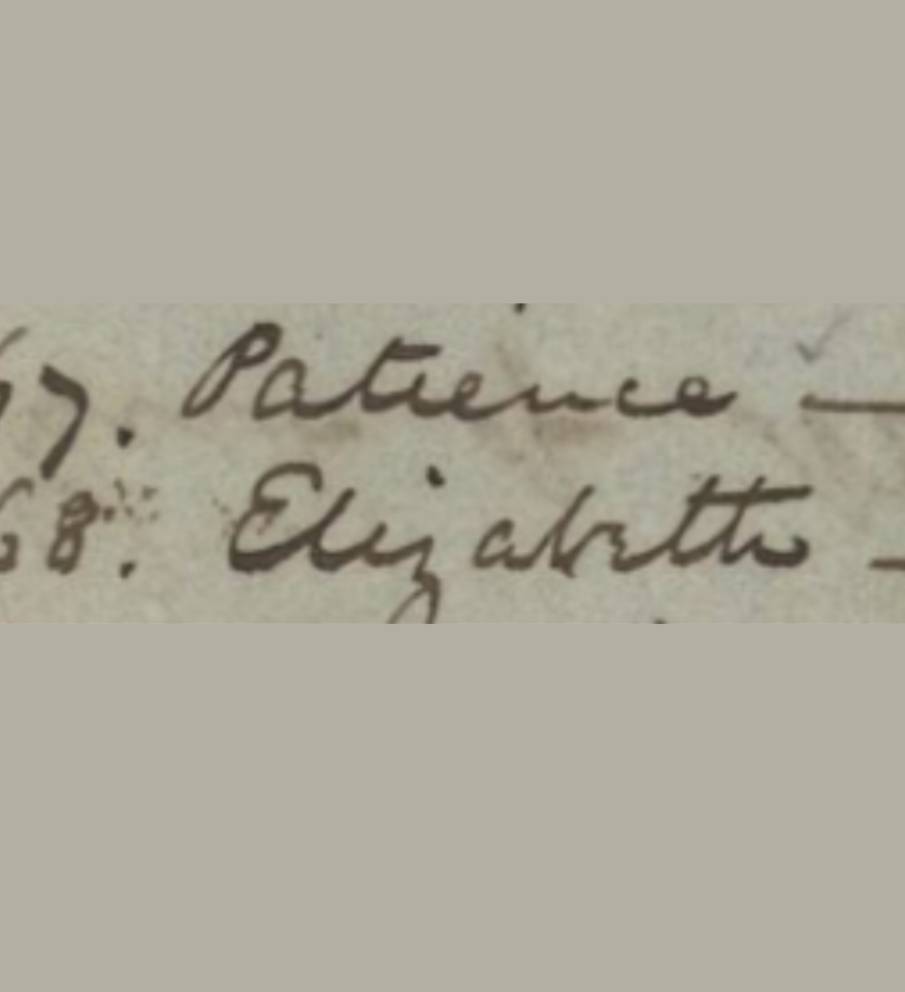
Patience
c. 1824 – 1848
Enslaved laborer on the Watson Plantation purchased by Henry Watson for reproductive labor and to pick cotton.
-
-
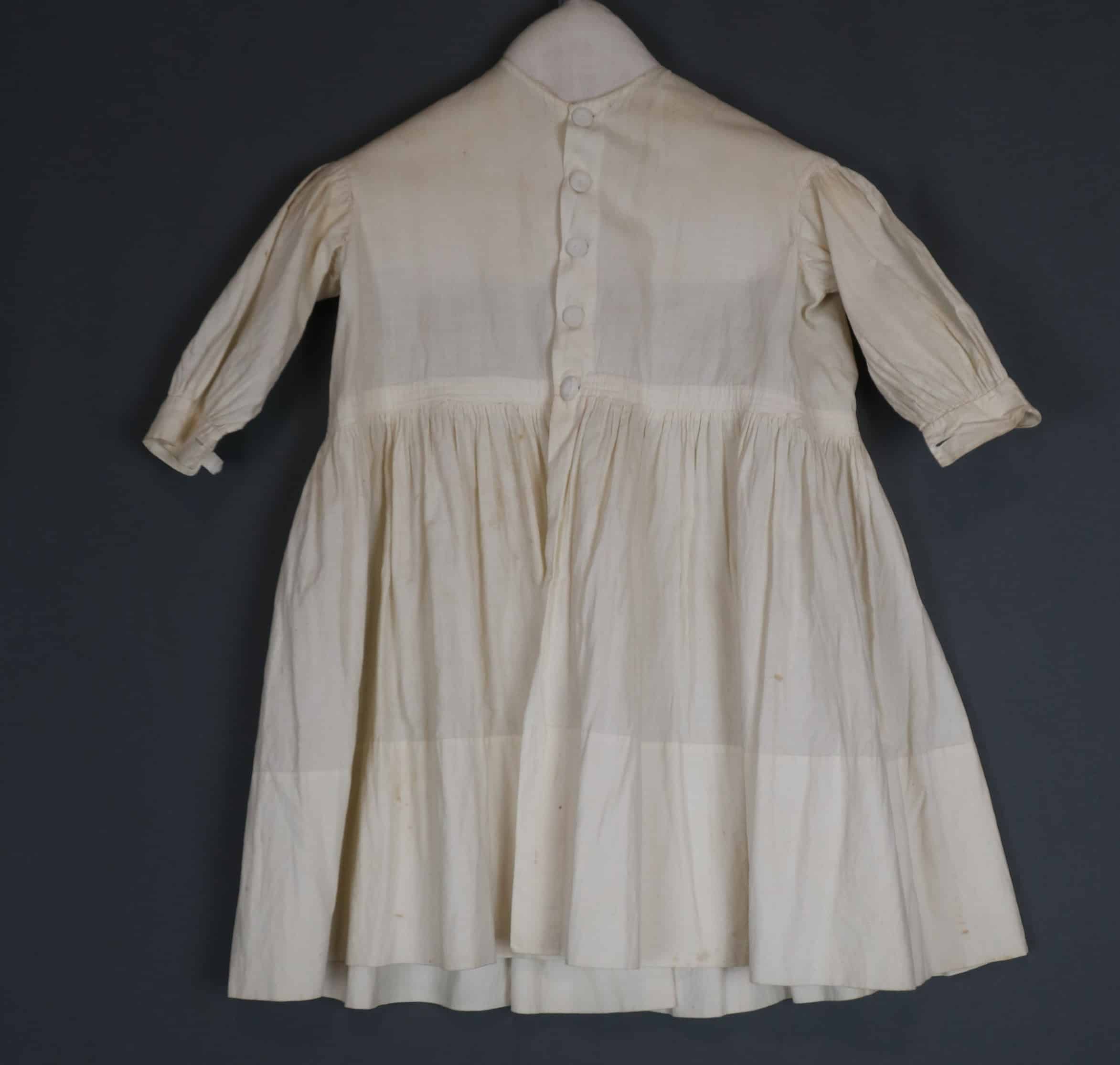
Phillis
c. 1790 – 1864
Enslaved nurse to the Watson children and domestic laborer purchased by the Watsons at age 60.
-
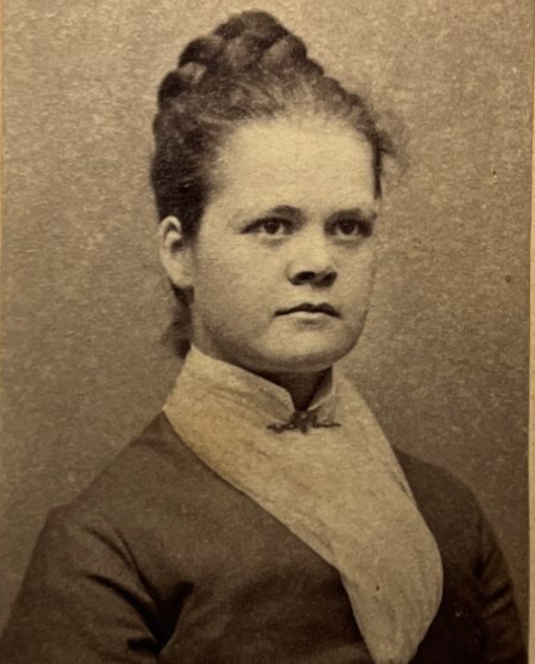
Rosa Watson
1856 – 1938
An influential Northampton socialite born in Alabama to a family of enslavers.
-
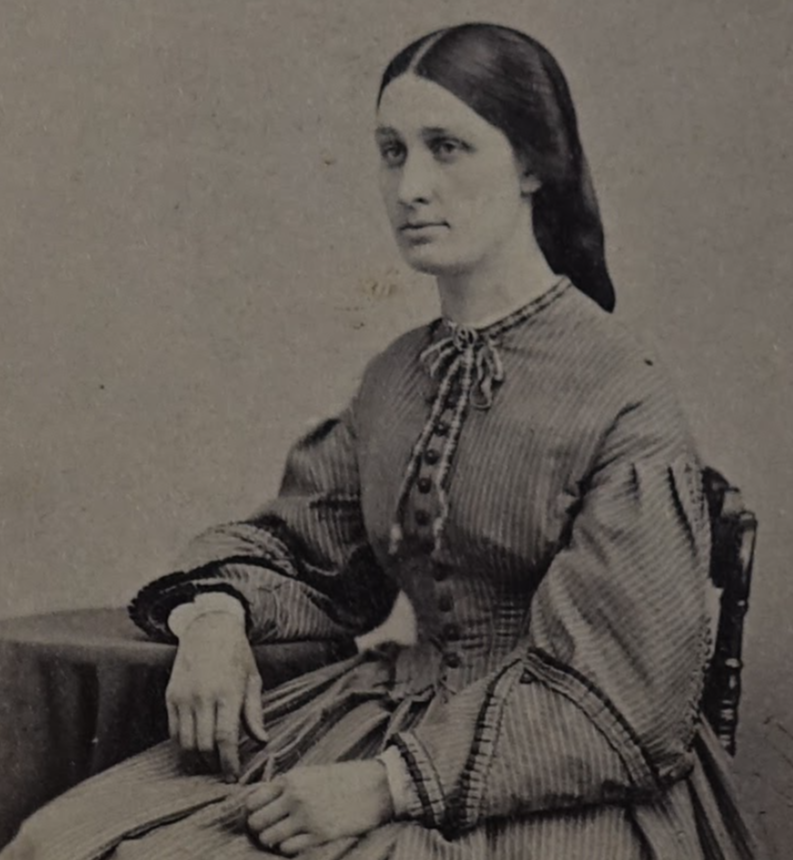
Sophia Watson
1821 – 1860
Alabama socialite and enslaver who died shortly after moving to Northampton. Many of the objects she brought with her now live in our collection.