Arthur Watson
Introduction
Arthur Watson was an influential Northampton politician, serving as mayor in 1900 and on the Board of Trustees at Forbes Library for 30 years. He was raised on a cotton plantation in Greensboro, Alabama, where his family enslaved 223 people.
Growing up around Slavery
Arthur Watson was born in the Watson family’s Greensboro home in 1851. He was the first of the Watson children to be cared for solely by Phillis, an enslaved woman with a specialty for nursing and childcare. Henry Watson purchased Phillis in December of 1850 with the explicit purpose of putting her to work caring for his children. Up until this point, he and Sophia had periodically brought up young enslaved women and girls from the plantation to care for the children. Since these young women and girls had little experience in nursing due to their own young age, Henry decided to purchase someone more experienced.
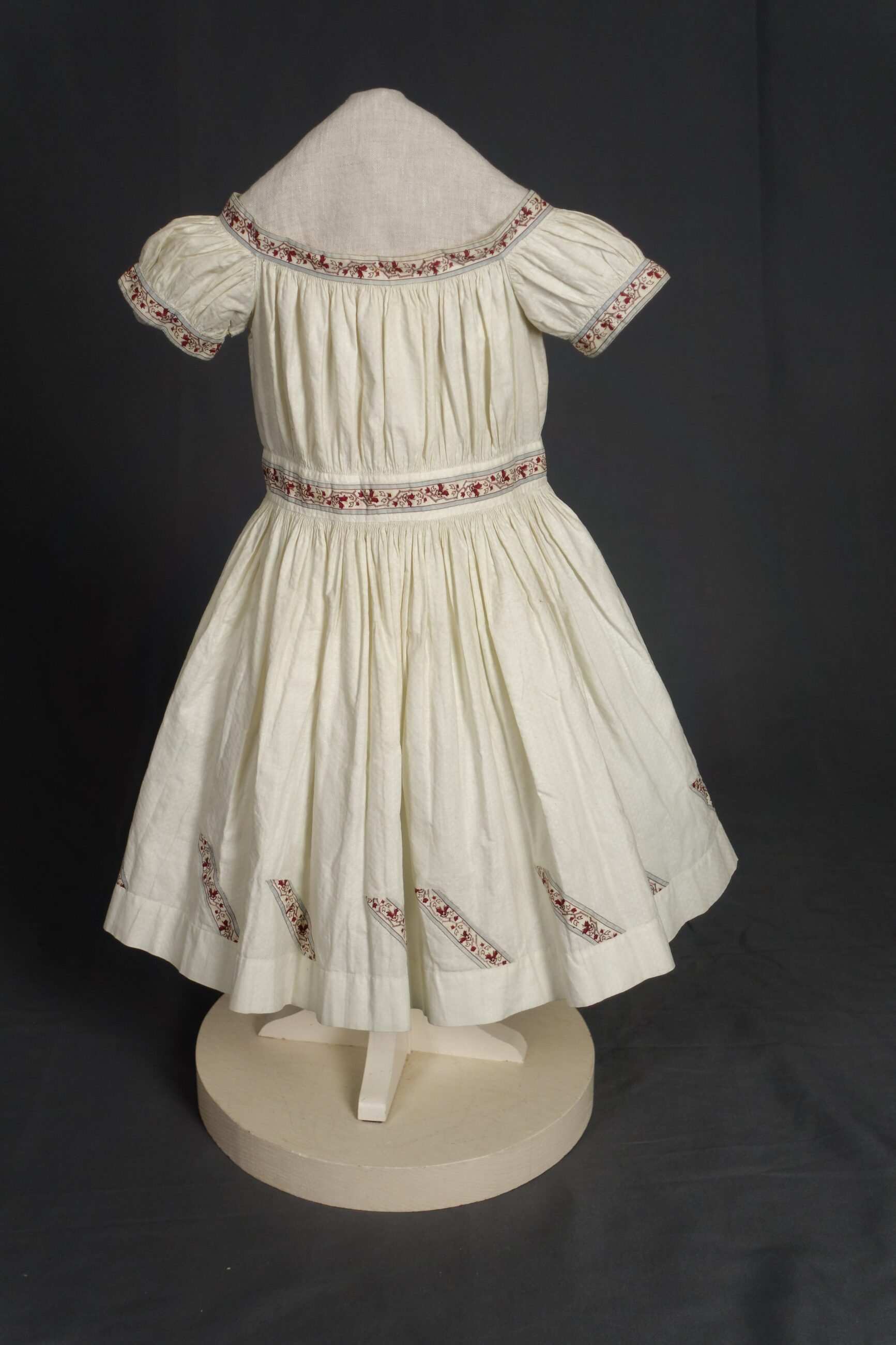
Phillis would have been at Arthur’s side from his first breaths until he left Greensboro for Northampton at the age of 9 in 1860. Phillis washed him, fed him, cared for him in sickness and health, made his clothes, and dressed him. He and his siblings would refer to her as “Aunt Phillis,” demonstrating his extreme familiarity with enslaved people.
Arthur would have known more enslaved people than just Phillis. Letters from his childhood in the Greensboro house mention enslaved people Ellen, Ann Maria, Calvin, Peggy, Carolina, Lizzie, Frank, George, Lavinia, Margaret, Milly, and Cyrus. Arthur would have seen the women around the house cooking, cleaning, and making clothing for him and his siblings, but also the hundreds of other people the family enslaved. Arthur would have seen the men on the grounds tending to the gardens where he and his siblings played, namely George, husband of Ann Maria and father of Lavinia, whom the family referred to as “Uncle George.” Despite proximity and perhaps real affection, they were still legally property and under the complete control of Arthur and his family. In 1860, when Arthur permanently left Greensboro at age 9, his family enslaved 115 human beings.
Moving to Northampton
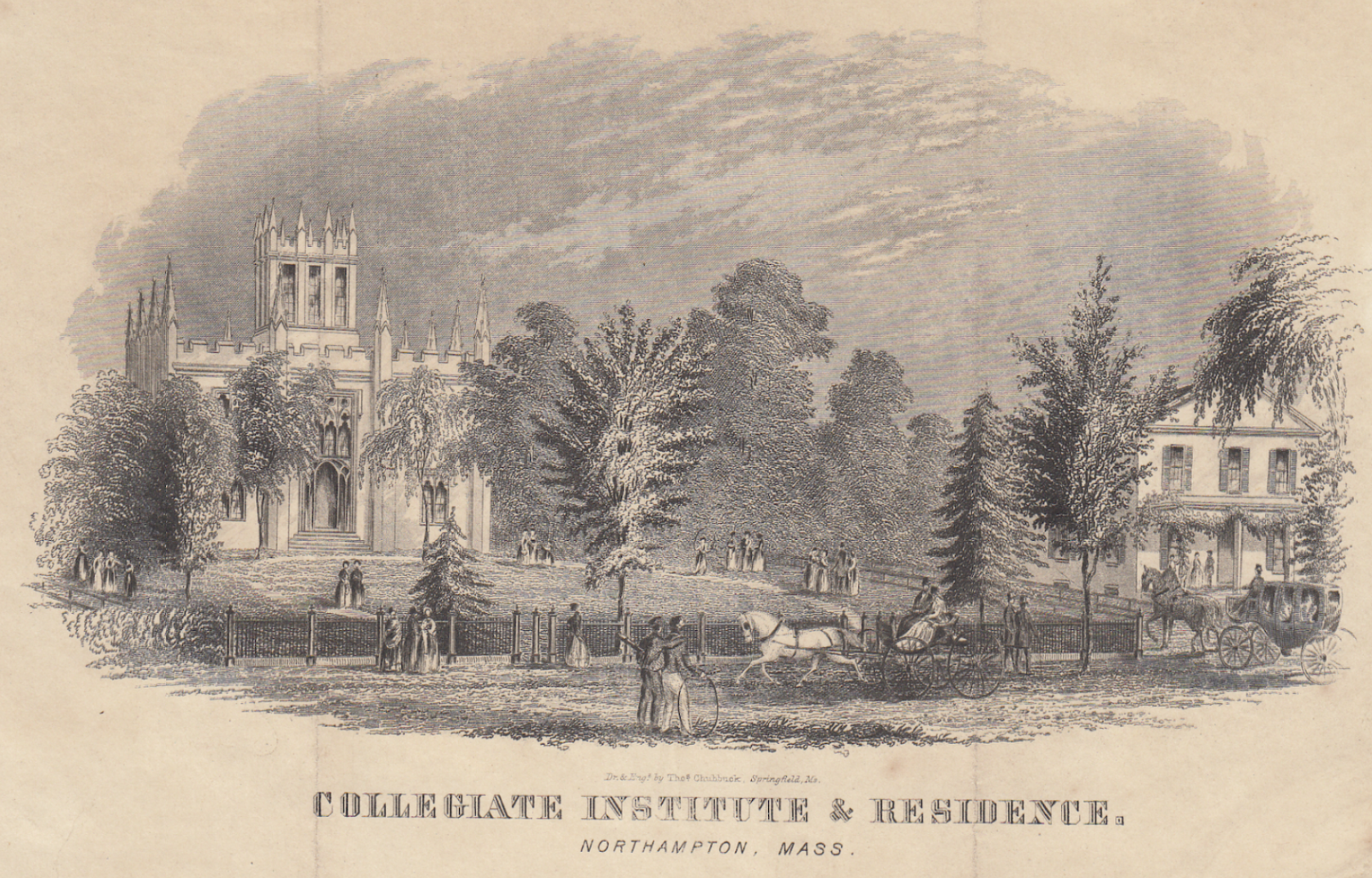
Arthur arrived in Northampton with his family and immediately witnessed the death of his mother Sophia. She had been sick for a long time with tuberculosis, which, in part, motivated the family’s move north to seek the Northampton water cure. After Sophia’s death and with the escalation of the Civil War, which threatened Watson’s place in Northern society, Arthur and his family left for Europe. There they traveled around for five years, attending school in Germany and France. When the family returned to Northampton in 1865, once the war was over and enslaved people emancipated, Arthur continued his studies at the Northampton Collegiate Institute.
Part of the reason Arthur’s father Henry brought the family to Northampton was to enroll them in New England’s prestigious schools. Henry was so concerned with education that he attempted to start his own school in Alabama; all of his children, alongside the daughters of neighbors, attended.
Northampton’s Support of Slavery
Northampton in the mid-19th century was known amongst slaveholding southerners as a popular vacation destination and source of education for their children.
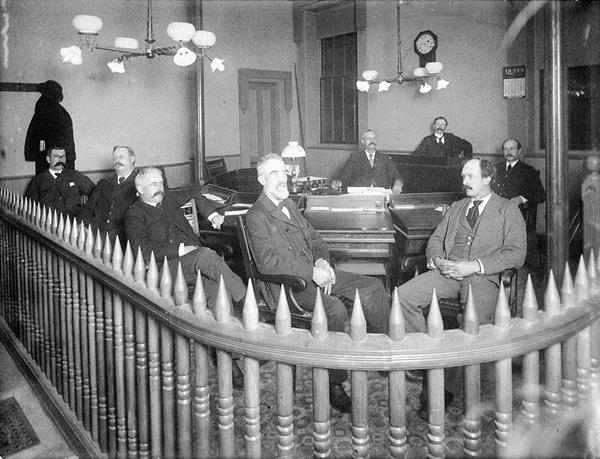
Many southern families sent their daughters to study at Northampton’s Gothic Seminary, a school for girls opened by former southerner Marguerite Dwight. Dwight had previously run a similar school while living in Georgia and, according to abolitionist and short-time resident of Northampton, Lydia Maria Child, “is very fond of the Southern institution [slavery] and strongly prejudiced against abolitionists. Her situation entitles her to influence the young a good deal.” When the Gothic Seminary closed in 1846 following the death of Marguerite Dwight, it was replaced by the very same Northampton Collegiate Institute that Arthur Watson and his brothers attended.
Political Success
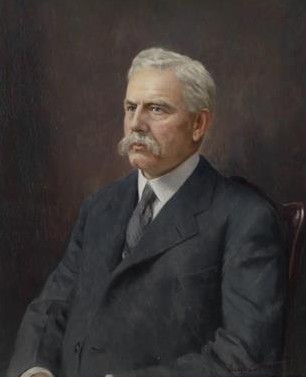
After his education at the Northampton Collegiate Institute, Arthur attended Yale, graduating in 1873. He returned to Northampton to study and practice law. He was extremely active in local political and civic life as a Democrat. In the late 19th and early early 20th century, the Democrats were a conservative political party representing many of the Southern planter class in whose society Arthur grew up.
The Democratic Party worked intensely to undo any progress made by abolition and Reconstruction. For example, they established the Jim Crow system in 1896 to disenfranchise Black people and keep them economically dependent on their former enslavers using systems such as sharecropping. Arthur’s father Henry continued to sharecrop the land he and his siblings grew up on. This continual income coming in from the labor of people the Watsons once enslaved financed Arthur and his siblings throughout their adulthood.
Arthur Watson’s Legacy
With financial support from his father’s continued sharecropping, Arthur began his active involvement in local politics. He held the public offices of assessor from 1885 to ’86, postmaster from 1886 to ’89, and alderman in 1896, becoming mayor of Northampton in 1901. Throughout his political career, however, he was especially interested in the support of Forbes Library.
In 1891, Arthur’s father, Henry, died, leaving behind an estate valued at $230,000 (roughly equivalent to $8,259,401 today). The same year, Arthur served on the Northampton Library Committee, supervising the merger between Clark Library and Forbes Library. He would go on to become a member of the Board of Trustees at Forbes Library from 1893 to his death in 1922, serving as the president from 1896 onward. During his tenure, he ordered the planting of the pin oak trees that still surround Forbes Library today.
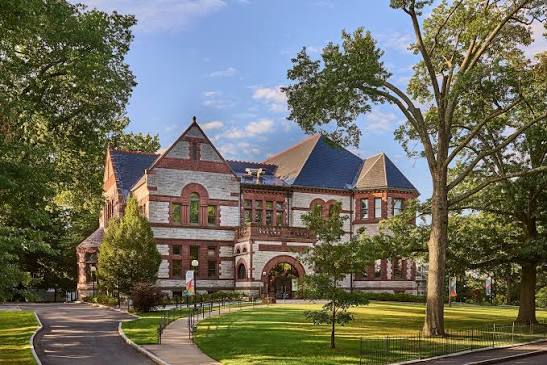
His contributions to Forbes Library also include the family’s estate, totaling over $160,000, which he and his sisters left to the library as a remainder trust that formed the basis of the Watson Fund. In honor of their contribution, Forbes Library still has a “Watson Room” that today is used mainly for research.
During the rest of his life, Arthur continued to spend his and his father’s money as an active member of Northampton’s upper echelon of society. He was a member of Northampton’s Men’s Club and a charter member of the Men’s Monday Evening Club. He died in 1922, leaving the remainder of his father’s estate to his sisters.