Rosa Watson
Rosa Watson was an influential Northampton socialite born in 1856 who grew up on a cotton plantation in Greensboro, Alabama, where her family enslaved 223 people.
Growing up around Slavery
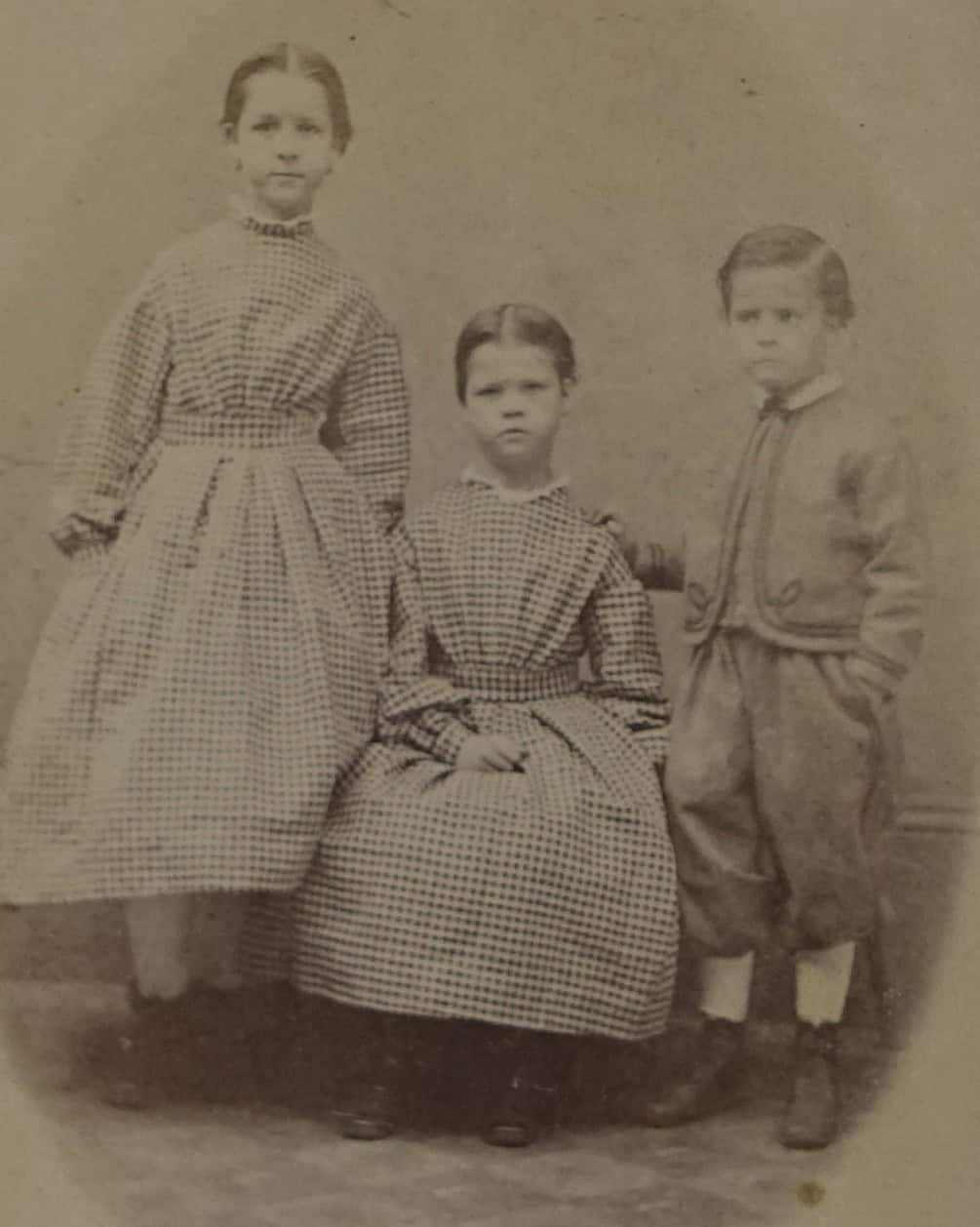
Rosa Watson was the youngest of the daughters born in the Watson household. By the time of her birth in 1856, her mother Sophia had already given birth to Frederick, Julia, Ella, and Arthur. Still, pregnancy was dangerous, and while giving birth, Sophia likely had the support of enslaved women such as Phillis and Carolina. Henry had purchased Phillis five years prior, in 1851, specifically for her specialty in nursing and childcare. In the years following Rosa’s birth, Henry and Sophia, as well as Henry’s mother Julia, mention Phillis and Carolina regularly when discussing the children’s upbringing.
As a baby and toddler, Rosa was surrounded by enslaved Black people. In addition to the direct care she received from Phillis, Rosa would have also known Ellen, Calvin, Peggy, Carolina, Lizzie, Frank, George, Lavinia, Margaret, Milly, and Cyrus. Allegedly, Rosa and her siblings spent so much time with the enslaved Black people who surrounded them that, according to visitors, once they moved North, the children’s speech mimicked that of their Black enslaved caretakers.
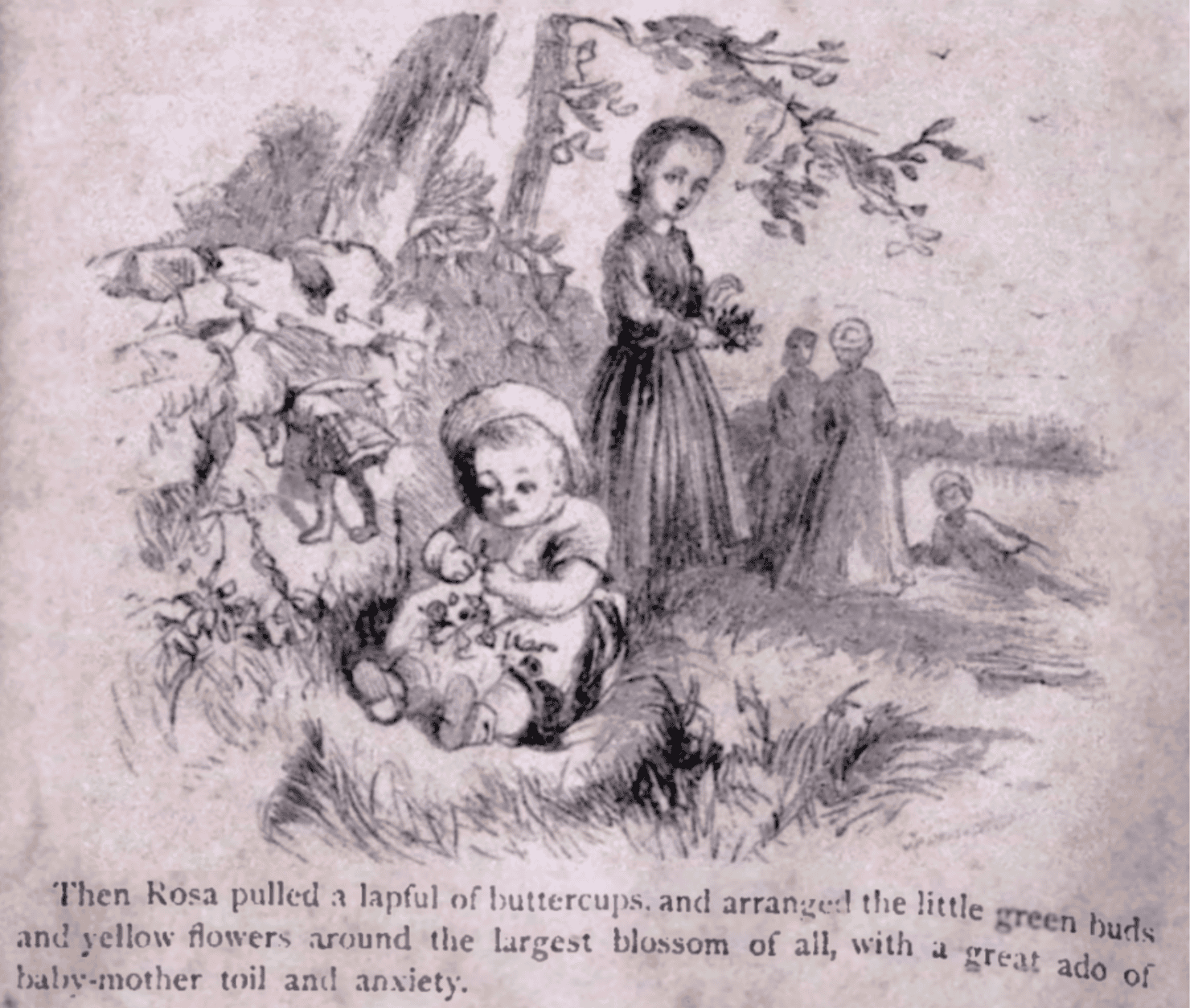
A friend of the family recalled in a short story she wrote about visiting Rosa and her sister Ella:
I wish I could give you the sweet tones of these little girls, and their queer, pretty, Southern accent. They were as well-bred little bodies as I ever saw, but they had caught from the little blacks some odd turns of expression and pronunciation, which sounded strangely to our Northern ears.
The story by Mrs. Edward A. Walker was published as “The Little Southerners” in Our Young Folks: An Illustrated Magazine for Boys and Girls in 1866, illustrating the charm Rosa’s adult Northern counterparts found in her speech patterns.
This romanticized folksy charm applied to the speech patterns of enslaved Black Southern people was frequently caricatured in white popular culture of the period, especially within minstrel shows. White performers in blackface paired the dialect with offensive gestures and songs to further mock and dehumanize Black people. Putting aside the racial connotations of Mrs. Walker’s observation about the “off turns of expression and pronunciation,” her remarks reveal the close proximity to enslaved Black people in which Rosa grew up despite having lived in Europe for four years during the war. Especially when living in the northern town of Northampton, this would have been especially notable.
Education in Northampton
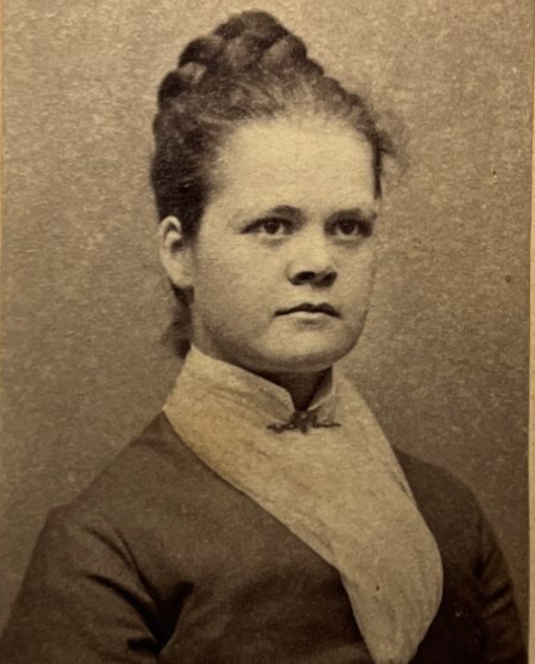
When Rosa was old enough to attend school, she went to Northampton’s public high school, graduating in 1874. As she grew older, she remained extremely close with Arthur and the rest of her siblings in Northampton. Her father continued to pay for her and her siblings’ lifestyles through the rest of his life, recording regular allowance payments to her and her siblings in his account book now held at Forbes Library. Even though the family no longer enslaved people, her father Henry continued to sharecrop the land they owned in Newbern, Alabama, and that money continued to finance Rosa and her siblings, allowing them to engage in local civil and political life without getting a full-time job.
Civic and Political Engagement
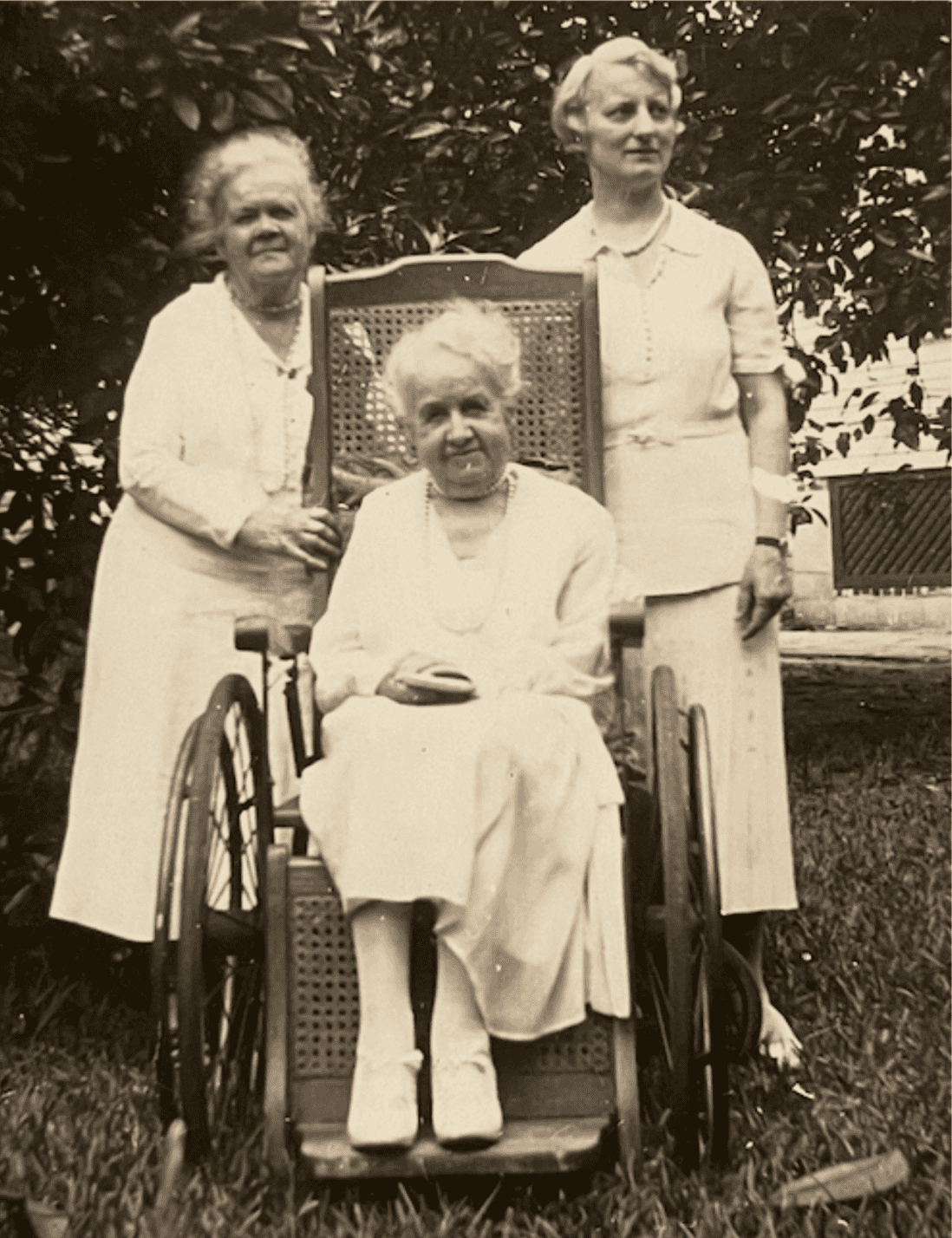
Her active civic and political life began at home when the family sold the Wildwood Estate. She planted the wildflower garden still maintained at Childs Park today. She was also a lifelong member of the Northampton Women’s Democratic Club. During her life, the Democratic Party fought to limit the effects of Reconstruction and to maintain the disenfranchisement of Black people, especially in the South, through Jim Crow laws.
Rosa continued to shape the memory of slavery and of her family through her work at Historic Northampton. In the early 20th century, Rosa and the Watson family donated more than 100 items from their family’s collection as a way to preserve their legacy. Rosa herself was likely influenced by her father, who, after the death of his wife and Rosa’s mother Sophia, wrote:
Her wedding dress and her keepsakes of all sort are carefully preserved. Her—apparel will be kept. To impress them [her children] with a recollection and knowledge of the strengths of her mind, temper and disposition, I have for them her letters. I have carefully amassed and stitched together in regular volumes, so much of her correspondence as I can get hold of.”
By preserving items of clothing, furniture, portraits, and more from the family, Rosa was declaring the greatness of her lineage and its worthiness in being remembered by Northampton. However, many of the objects Rosa preserved were made by the very people she and her family tried to erase from history. Pieces such as Sophia Watson’s wedding dress, her maternity gowns, or even the children’s clothing were all likely made by the human beings the Watson family enslaved. In preserving these pieces, not only did she preserve her family’s legacy of financial wealth and influence, she also preserved their legacy of exploitation and stolen labor.