Sophia Watson
Introduction
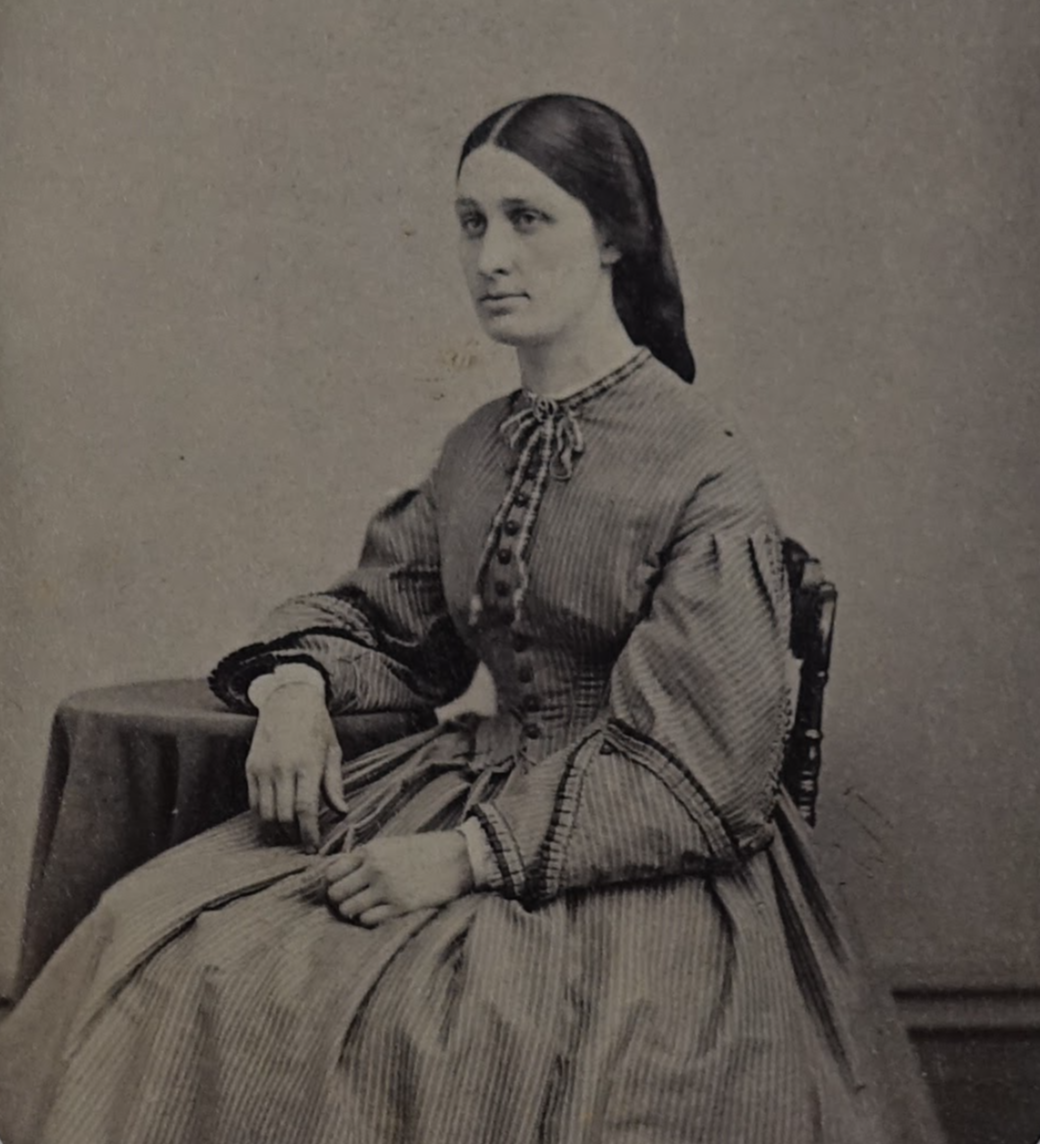
Sophia Peck Watson was born in 1821 in Greensboro, Alabama. She was the daughter of Elizabeth (Eliza) Kennard and Fredrick Peck. Very little is known about Sophia’s early life until she married Henry Watson on February 8, 1845, at the age of 24. Their union produced 6 children. She died at age 39 in 1860, shortly after the family had moved to Northampton.
To honor her memory, her husband and children curated a collection of her photographs, letters, and belongings. Many of these objects are now in our collection, having been donated by her daughter Rosa.
The Peck Family
Sophia’s lineage illustrates a family pattern where men from the Northern and Mid-Atlantic states married into established Southern families. Her aunt, Katherine Kennard (1799–1863), who was raised in Alabama, married Pitkin Barnes (1786–1870) of Lanesborough, Massachusetts. This pattern was also evident in Sophia’s own parents; her father, Frederick Peck of Danbury, Connecticut, married Alabama-raised Elizabeth Kennard on May 6, 1819. Sophia upheld this family tradition through her marriage to Henry Watson, a native of Connecticut.
Very little is known about Sophia’s mother, Eliza. An obituary for her death, published on April 24, 1863, gives few details about her life:
For many years previous to her death, Mrs. Peck was a most consistent and exemplary member of the church of Christ in the Baptist communion. Religion with her was not a mere profession but a living principle in the heart, which influenced and regulated her whole life and shed along her pathways the fragrance of holiness.
Besides her devotion and piety, we also know that Eliza Peck taught Sophia sewing skills, as it was often the case for middle-to-upper-class white women.
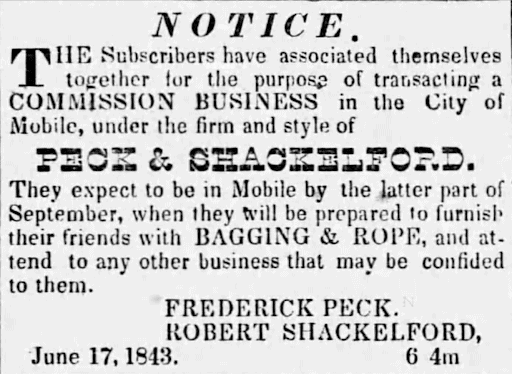
Sophia’s father, Frederick Peck, was a prominent figure among the early settlers of Greensboro, Alabama. His initial residence was in Troy, a village situated just half a mile east of Greensboro. In September 1818, he served as the town’s inaugural postmaster. Following the official settlement and merger of Troy with Greensboro in 1820, Peck solidified his reputation as a significant merchant and businessman. He eventually relocated to Mobile, Alabama, to launch a business venture with Robert Shackelford.
The Pecks’ Wealth
Unlike the Watsons, whose archives offer an extensive overview of their life, the archives about the Pecks are very sparse. However, Frederick Peck’s death in 1846 reveals the extent of the family’s wealth and, by extension, part of what the Watsons inherited. First, besides Frederick Peck’s businesses, the family also owned a large plantation on State Road, approximately four miles south of Greensboro. Detailed information regarding this estate appears in an administrator’s sale notice from December 8, 1849, by Henry Watson, who announced that “the whole tract contains about 595 acres, of which 360 are in cultivation.”
Following the death of their husbands, it was uncommon for female enslavers to maintain the oversight of plantation operations. After her husband’s death in 1846, then, Mrs. Eliza Peck opted to sell and divide the plantation, as Henry noted in a letter to his mother on December 21, 1846, stating that she possessed “no interest in the plantation lands.” The 360 acres of cultivated land included four types of land, which most likely reflected their respective crops. First, there was “Prairie,” which probably had orchards and other plants. “Slough” and “Creek Bottom” offered the swampy or delta soil necessary for rice, sugar, cotton, or corn, which we know from a December 21, 1846, letter that the Pecks cultivated, in this case probably along the Little Prairie River or the Gross Lake. And “Sandy Land” most likely served as the site for enslaved quarters and personal gardens, as its lower fertility was probably not profitable. In addition to working in the fields, considering that Frederick Peck’s store in Mobile sold “bagging and rope,” enslaved people on the plantation most likely made the goods that Frederick Peck would then sell.
This division of land also entailed the division of enslaved labor, as evidenced by Henry writing to his mother that, “the negroes have already been divided.” This suggests that enslaved families were most likely separated from one another because of the dividing up of the plantation. Concurrent with the auctioning of the land, then, enslaved people were auctioned too:
“On Saturday, the 22d day of December… I will sell at public auction, to the highest bidder, on a credit of one, two, or three years, all the lands composing the plantation cultivated by Frederick Peck, deceased… At the same time and place, will be hired out at auction, for the next year, the NEGROES belonging to the children of Frederick Peck, deceased.”
Sale Announcement following Frederick Peck’s Death

Considering that Henry Watson became an heir to Frederick Peck after marrying Sophia, the Watsons thus definitely inherited some of the wealth made from the several auctions.
Despite selling the plantation, Mrs. Peck decided to keep her home:
she [Mrs. Peck] will live in home and will keep all the servants about the home she will have no income except what will come from the children whom she will have to charge with board.
This domestic staff included Ellen, Susan, Archer, Eveline, and several young children (Letter, December 21, 1846). Given that these names are documented in the Watsons’ slave ledgers, it is highly probable they also performed labor for the Watson family. Mrs. Peck’s decision to keep enslaved people to perform domestic labor within her household is a testament to the wealth and status afforded to white, upper-class women in the Antebellum South.
By 1849, Mrs. Peck’s circumstances shifted, leading to the sale of her property. In a December 8, 1849, advertisement in the Greensboro Alabama Beacon, Henry announced a public auction for the estate of the late Wm. S. Peck. The personal assets listed for sale on New Year’s day included:
“three NEGROES, one of whom is an excellent carpenter, a library of valuable BOOKS, a horse and buggy and harness, a portable shower bath, etc.”
Henry’s specific emphasis on the skills of the enslaved carpenter indicates an effort to maximize the sale price of the individual.
White Womanhood Under Slavery
Sophia Peck represented a slight variation on the model of white womanhood embodied by her mother Eliza. Because Henry frequently traveled for business, the first trip occurring just weeks after their elopement, Sophia was granted more significant oversight of the plantation than other female enslavers would have had at the time. Her correspondence consequently offers valuable perspectives on the lives and work of enslaved people.
Between April and September 1848, while Henry was in Connecticut managing his late father’s affairs, Sophia was responsible for supervising both the household and the estate. As a female enslaver, she had seldom been assigned such duties, and her position when Henry was there functioned more as an overseer than a traditional manager.
Sophia’s reports focused heavily on domestic activities, reflecting the fact that she spent most of her time either at home or visiting neighbors. Her descriptions of enslaved labor were usually of a general nature. For example, on April 21, 1848, she reported:
Everything has gone on very well since you left, the servants have given me no trouble but have gone on with their work very well. The boys have finished the worth [work?] front-garden and are now at work with the south garden.
Occasionally, she provided specific details, such as Lucinda’s nursing duties on April 22 or an injury to Archer on May 20.
Sophia periodically visited the plantation, primarily to oversee the distribution of garments. On May 9, 1848, she described such a visit:
“I went down to the plantation on Wednesday last as I expected to distribute the negro clothes… When we reached the plantation about 11 o’clock, we found Mr Miller looking out for us from the piazza door with all the clothes arranged around him in piles according to size. That the negros might lose as little time as possible.”
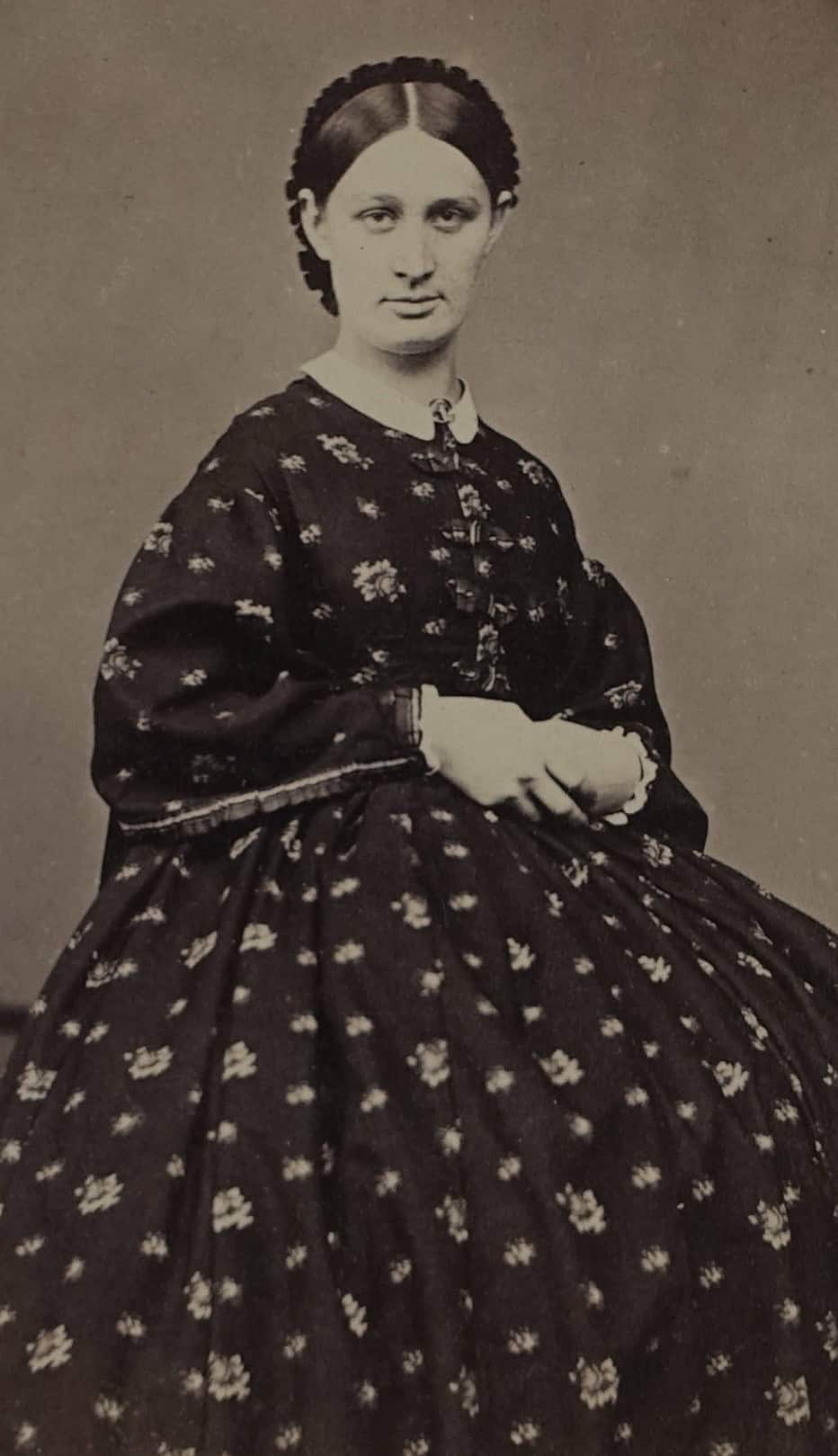
Sophia as a Mistress
Beyond mere logistics, Sophia also monitored the well-being of the enslaved population, particularly during the 1848 disease outbreaks that affected both the plantation and her own household. Concerned that the enslaved people, especially children such as Julia and Ann Maria’s son, Granville, were suffering from malnutrition, she urged Henry to provide another cow for milk. Her efforts were successful; on July 31, 1848, she noted: “Mr. Miller has succeeded in getting two cows for the plantation, and they now have plenty of milk for the children.” Sophia’s actions reflect the complex contradiction between the inherent violence of plantation management and these intermittent instances of care.
Henry’s correspondence with Sophia during his absences was often ambivalent. While he frequently ignored her personal concerns to focus on news from East Windsor, Connecticut, he simultaneously issued strict, concrete directives regarding plantation management, seemingly wary of her inexperience.
In a letter dated May 21, 1848, he questioned whether the “servants stay at home nights,” as he feared that “they may get in the way of going to town, which I can by no manner of means permit and trust that you will look at this part of our domestic economy.” He specifically warned her about Spencer, whom he does not trust: “I have no confidence in Spencer’s honesty and would advise you, when you leave the home, while he is about, not to leave matters too much exposed.”
Henry’s anxiety regarding Sophia’s potential leniency appears justified by an August 21, 1848, letter, which indicates she had allowed individuals such as Jake and Antony to visit “Ma’s,” Mrs. Peck, and occasionally to go “up town to do some trading,” indicating that they probably engaged in selling their own products. Such evidence suggests that those enslaved by the Watsons recognized an opportunity to negotiate for greater autonomy under Sophia’s management, a leverage they likely lacked when Henry was present.
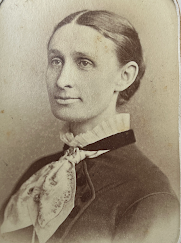
Sophia’s Maternal Role
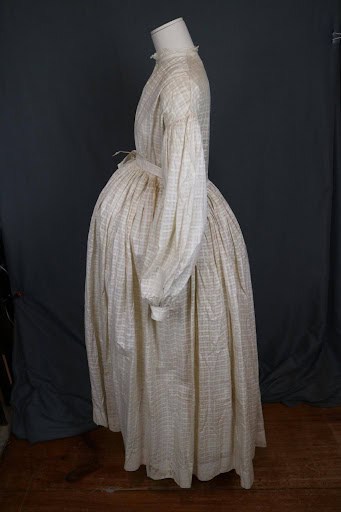
Regarding Sophia’s maternal life, records from 1847 to 1858 suggest she was almost constantly pregnant, likely enduring numerous miscarriages and infant losses in addition to her surviving children. While her brother-in-law, Dr. Parrish, probably provided some medical attention, Sophia and her children were primarily dependent on the vital nursing and childcare provided by enslaved women.
Following the birth of their first son, Frederick, on November 9, 1846, Henry wrote to his mother on December 21, reporting that Sophia “kept her bed and her room in all about five weeks, but did admirably.” He noted she had “plenty of milk” and was recovering well, “now about the house as well as ever in her life.” According to a subsequent letter, Mrs. Peck had supported Sophia during the initial weeks of her postpartum recovery:
Mrs. Peck stayed with Sophia for about three weeks after the birth of our boy, and came over every morning afterwards until Sophia was regularly about, to wash and dress it [Fred].
Given that Mrs. Peck and Sophia shared ownership of enslaved individuals like Ellen and Eveline, it is highly probable that the labor of these enslaved women was also used in Sophia’s care. As such, Sophia’s early needs and general household management were likely handled by a shifting collective of caregivers.
The arrangement for Sophia’s care evolved significantly on February 7, 1847, when Henry proposed hiring a dedicated person to look after both Sophia and Frederick. Coming from a Connecticut background, Henry faced a cultural and racial dilemma; he was accustomed to hiring white women for nursing and midwifery. He articulated this southern challenge in a letter, noting
We have no women in this county who make it a business to nurse as they do with you [in Connecticut], but have to depend upon friends and relatives, or negroes.
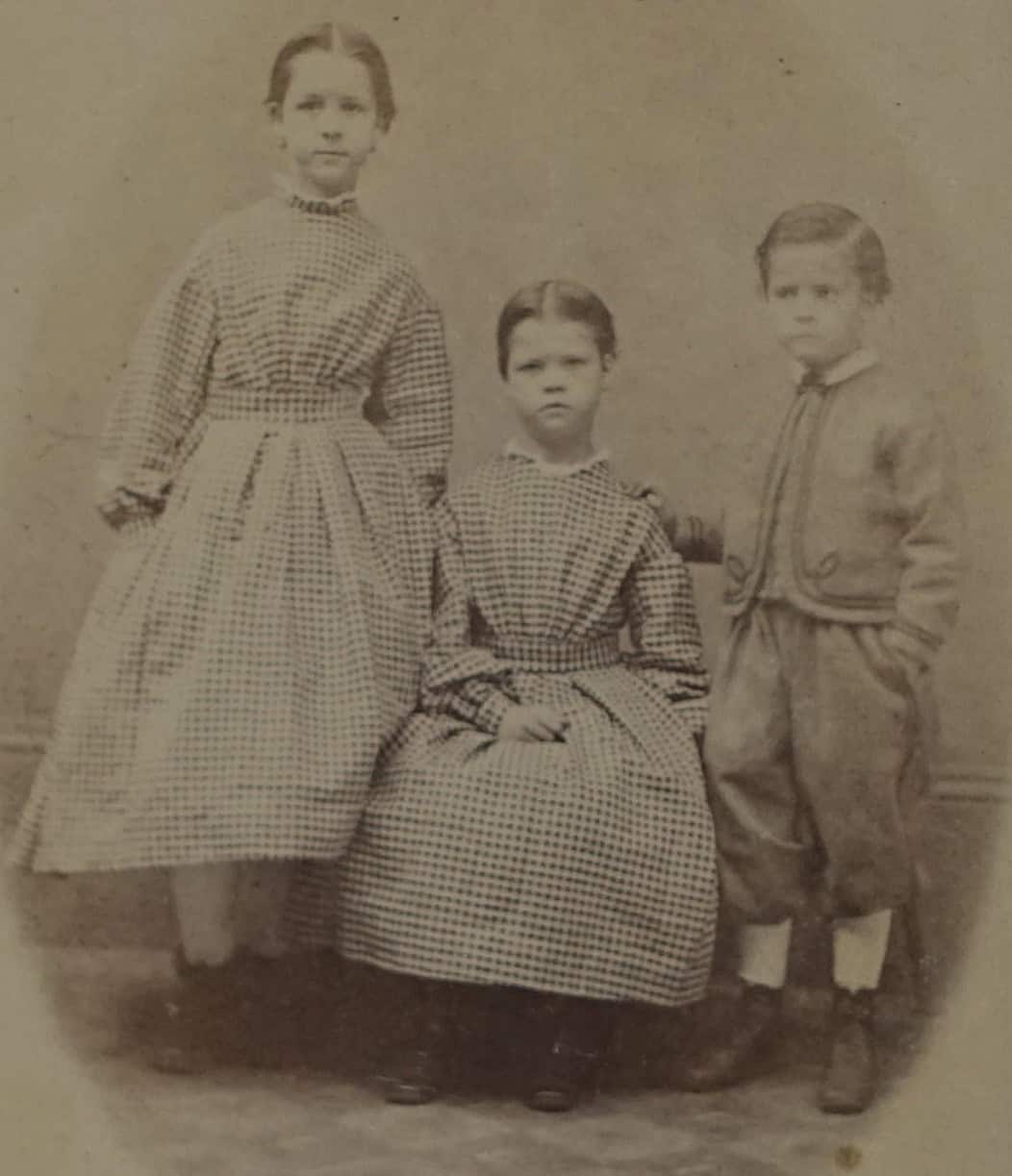
This correspondence highlights Henry’s palpable unease with the racial proximity required by having an enslaved nurse, which necessitated a Black woman’s presence within his home and near his private quarters.
Despite these reservations, the family followed the common antebellum Southern practice of using enslaved women for childcare and breastfeeding by bringing Lucinda up to the house from the plantation. Henry described the 12- or 13-year-old girl as “very black and a raw hand at nursing,” an emphasis on her race that further underscores his discomfort. Although he initially characterized her as inexperienced, Henry later praised her abilities, noting on January 30, 1848, that “she makes a very good nurse.”
Sophia also observed Lucinda’s effectiveness, particularly during a local disease outbreak. In a letter dated April 22, 1848, she remarked that Frederick was “much better natured” when she allowed Lucinda to care for him. Lucinda did not work in isolation; she received guidance from more experienced enslaved women, such as Eveline, especially when Frederick fell ill in the spring of 1848. Despite her young age and the “raw” nature of her initial training, Lucinda became a central figure in the household’s care network during this period, since she most likely also cared for Sophia when she was pregnant with Julia, who was born in 1848.
However, after more than a year of taking care of Frederick, Henry and Sophia suddenly started worrying about Lucinda’s inexperience. By September 1848, Lucinda was sent back down to the plantation. For two years of nursing vacancy, we can assume that the family went back to the model of collective caretaking, involving once again Mrs. Peck as well as Eveline and Ellen.
In 1850, the Watsons decided to purchase an older enslaved woman, Phillis, to replace Lucinda and be the dedicated nurse to Sophia and the children. In a letter from November 29, 1851, Henry writes:
“On yesterday I brought up the old woman Phillis whom I bought last year to serve as baby’s nurse. She has nursed before and she is very neat and tidy and goodnatured, we expect she will do very well.”
This description indicates that, unlike Lucinda who was a “raw hand at nursing,” he purchased Phillis specifically because she was promoted and labelled as someone with good nursing skills. On December 3, 1851, Henry wrote to his mother, saying, “We told you I suppose of my arrangement with regard to a nurse, old Phillis seems to do very well and I think will suit better than any one we could have taken from the plantation.” As such, Phillis would have nursed Julia, Arthur, Ella, Rosa, and Walter.
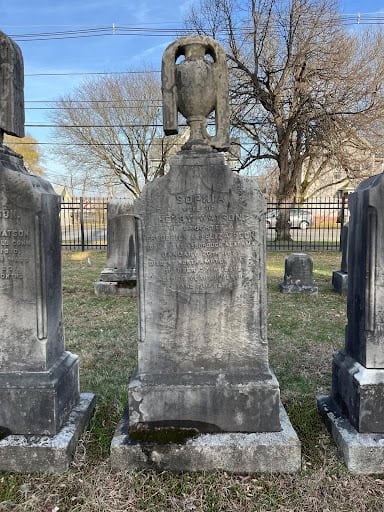
Sophia’s Health
Sophia’s recurring pregnancies likely took a heavy toll on her physical well-being, leading to persistent health issues and lengthy periods of recovery after childbirth. Consistent with the experiences of many white women within the plantation society, her declining health served as a catalyst for the family’s decision to move to Northampton, a move further spurred by the onset of the Civil War. In 1860, the Watsons migrated north to the Wildwood estate in Northampton, Massachusetts—a site known today as Childs Park. Sophia succumbed to tuberculosis later that year on November 5, 1860, and was buried at Bridge Street Cemetery.
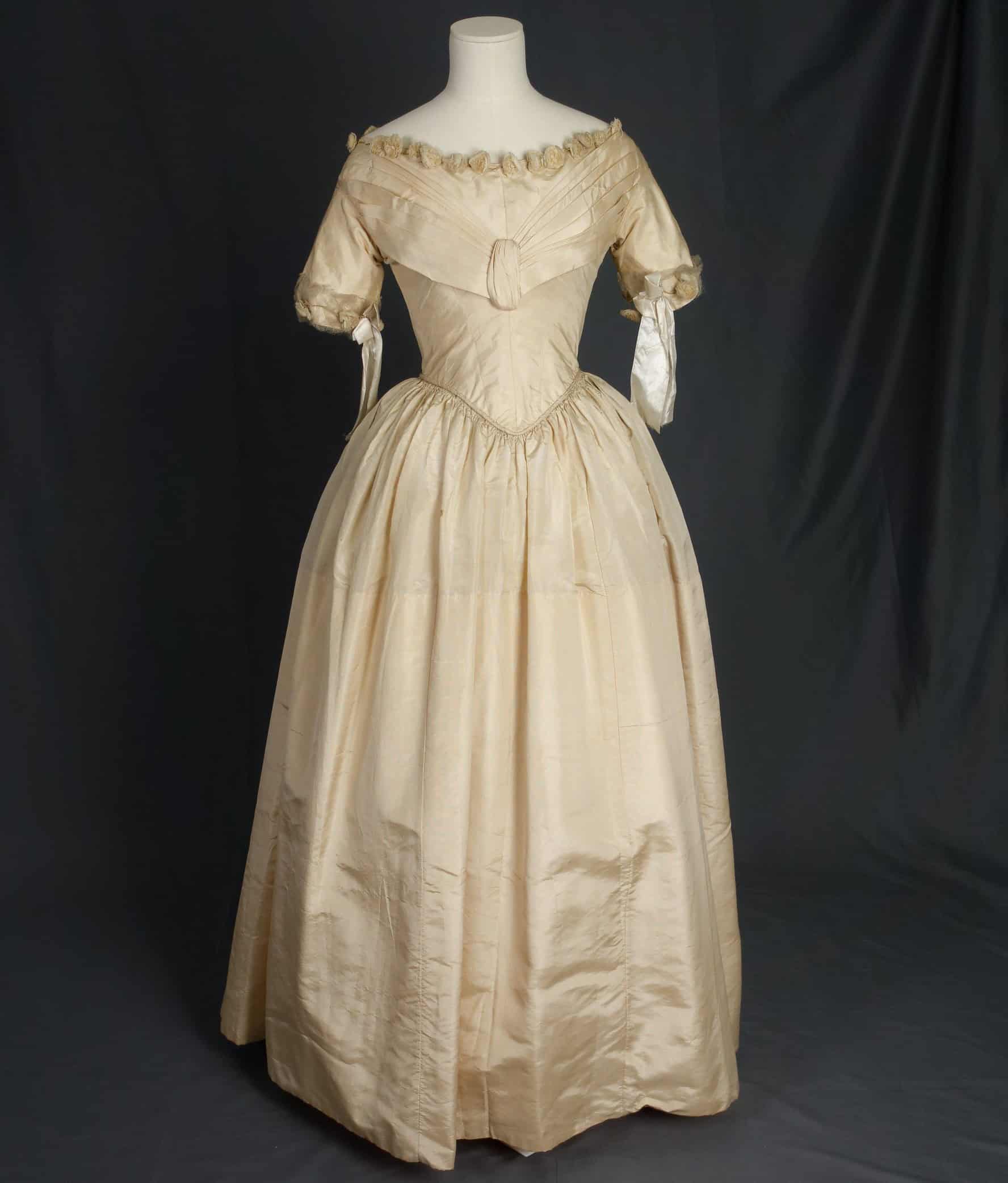
Motivated by a desire to preserve his wife’s legacy for their children, Henry wrote to his sister Harriett on March 31, 1861, saying: “I desire that my older children shall not forget their mother, and that the younger ones may hereafter know her.” To this end, he curated an extensive collection of her belongings, including tinted photographs from 1853 and 1859, the former of which he valued most as it depicted her “before she was affected by sickness.” He also carefully archived her wedding dress and correspondence, which he “carefully arranged and stitched together in regular volumes,” believing her apparel and letters would serve as lasting testaments to her character and disposition. Today, many of these artifacts are preserved at Historic Northampton, having been donated by their daughter, Rosa.