Phillis
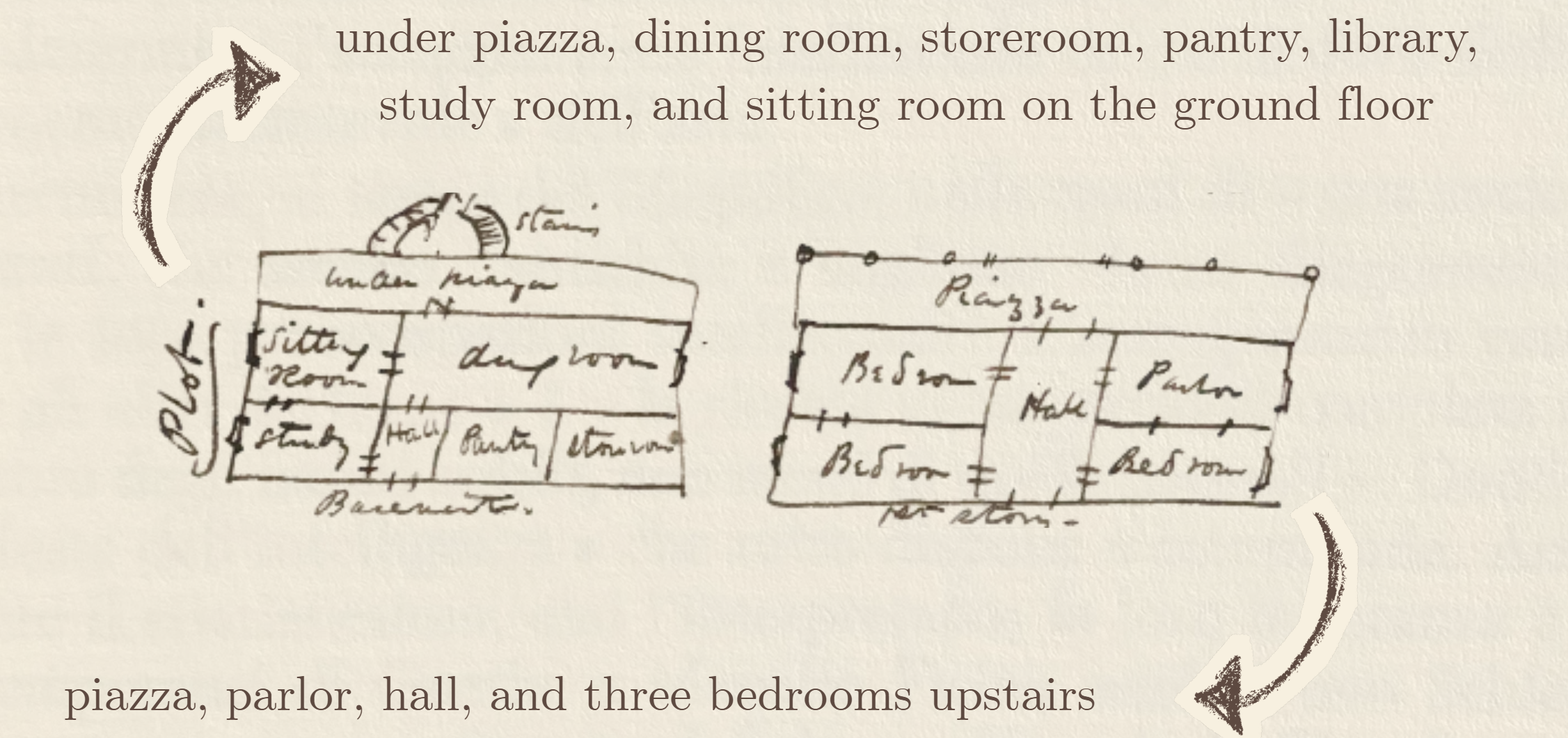
Phillis’ story is significantly different from those of the other enslaved women in the Watson household. Born around 1790, she was one of the oldest individuals on the plantation.
Arrival at the Watson Household
No documentation exists regarding Phillis’s birthplace or her life under previous enslavers before the Watsons purchased her in 1850, at which point she was already 60 years old. Consequently, her role within the household was not centered on reproduction, unlike many enslaved women on the plantation. While there are no records of her having children, it is highly probable she bore them on a different plantation and was sold away from them, given that enslaved women were rarely exempt from breeding labor.
Nursing the Watsons
Henry purchased Phillis specifically to serve as the family’s designated nurse, succeeding Lucinda, who had held the role from February 1847 until September 1848. Henry Watson’s correspondence confirms this intent. In a letter dated December 3, 1851, he noted to his mother:
“We told you I suppose of my arrangement with regard to a nurse, old Phillis seems to do very well and I think will suit better than any one we could have taken from the plantation.”
Her specialized nursing background was a key factor in her purchase, as Henry further detailed on November 29, 1851: “She has nursed before and as she is very neat and tidy and goodnatured, we expect she will do very well.” This suggests she was likely marketed specifically for her caretaking expertise during her sale or rental auction.
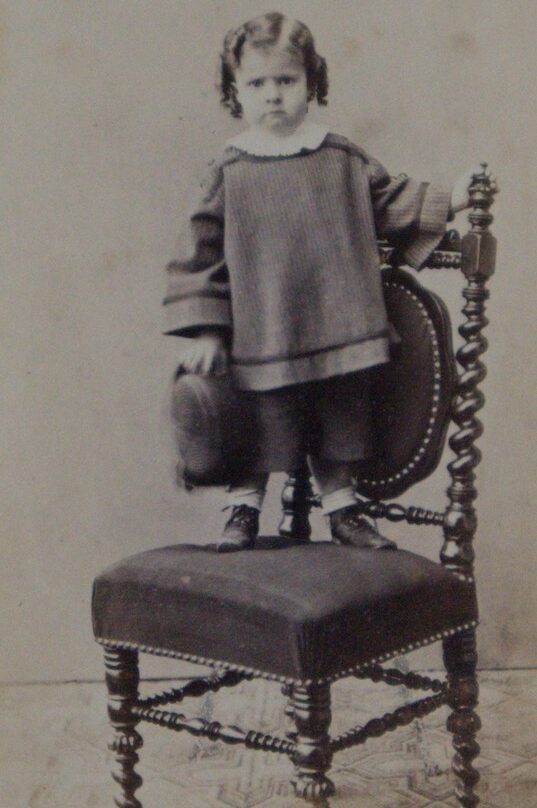
At the time of Phillis’s purchase, Sophia Watson was likely pregnant with Arthur, her third child, born in 1851. In addition to assisting the pregnant Sophia, Phillis was responsible for the care of the Watsons’ older children, Frederick and Julia. While Southern slave societies frequently utilized enslaved women for nursing and childcare, which often involved breastfeeding white children, Phillis’s advanced age made it unlikely that she served as a wet nurse for the Watson family. This stood in contrast to the typical practice of bringing an enslaved woman to the main house who was either currently pregnant or a recent mother to breastfeed a white baby. As such, it appears that either Sophia herself or another younger enslaved woman was responsible for breastfeeding the Watson children as they grew.
“Aunt Philis”
Phillis’ role as a nurse integrated her into the family landscape to such a degree that she was frequently referred to as “Aunt Phillis,” a nickname documented in a letter from September 12, 1858.
The use of familial titles like “aunt” or “uncle” was widespread during the era of slavery, used to serve the false narrative that enslavement could be compassionate and that enslavers viewed the people they enslaved as family. This “familial” status did, however, indicate that Phillis lived in close proximity to the Watsons within their main house, likely residing on the same floor as they did or in the attic.
This domestic proximity was further evidenced in June 1858. Seeking to improve Sophia’s declining health following the birth of Walter, Henry informed his mother of plans to spend time by the sea, which was a common 19th-century practice for affluent families. Phillis was central to these travel arrangements:
“Sophia has been unwell for some two months or more past. It had been our intention to take all the children and Phillis and go north, to New York, Long Island, Rhode Island, or somewhere else on the sea coast and spend the summer, perhaps rent a home or keep house.”
Despite Phillis’s quasi-parental responsibilities, Henry’s correspondence reveals a deep-seated tendency to infantilize her. In the same letter from September 12, 1858, he complained about being busy looking after his sick wife, the children, and “Aunt Phillis,” whom he described as being “more of a child than any of them.” He lamented the following daily tasks: “I had to see them all into the cars and off them, to their meals and at all times attend to them.” Yet these were the very duties Phillis was expected to perform routinely. Because of her identity as an enslaved woman, however, her arduous labor was systematically disregarded, and her character was reduced to that of a child.
Other Responsibilities
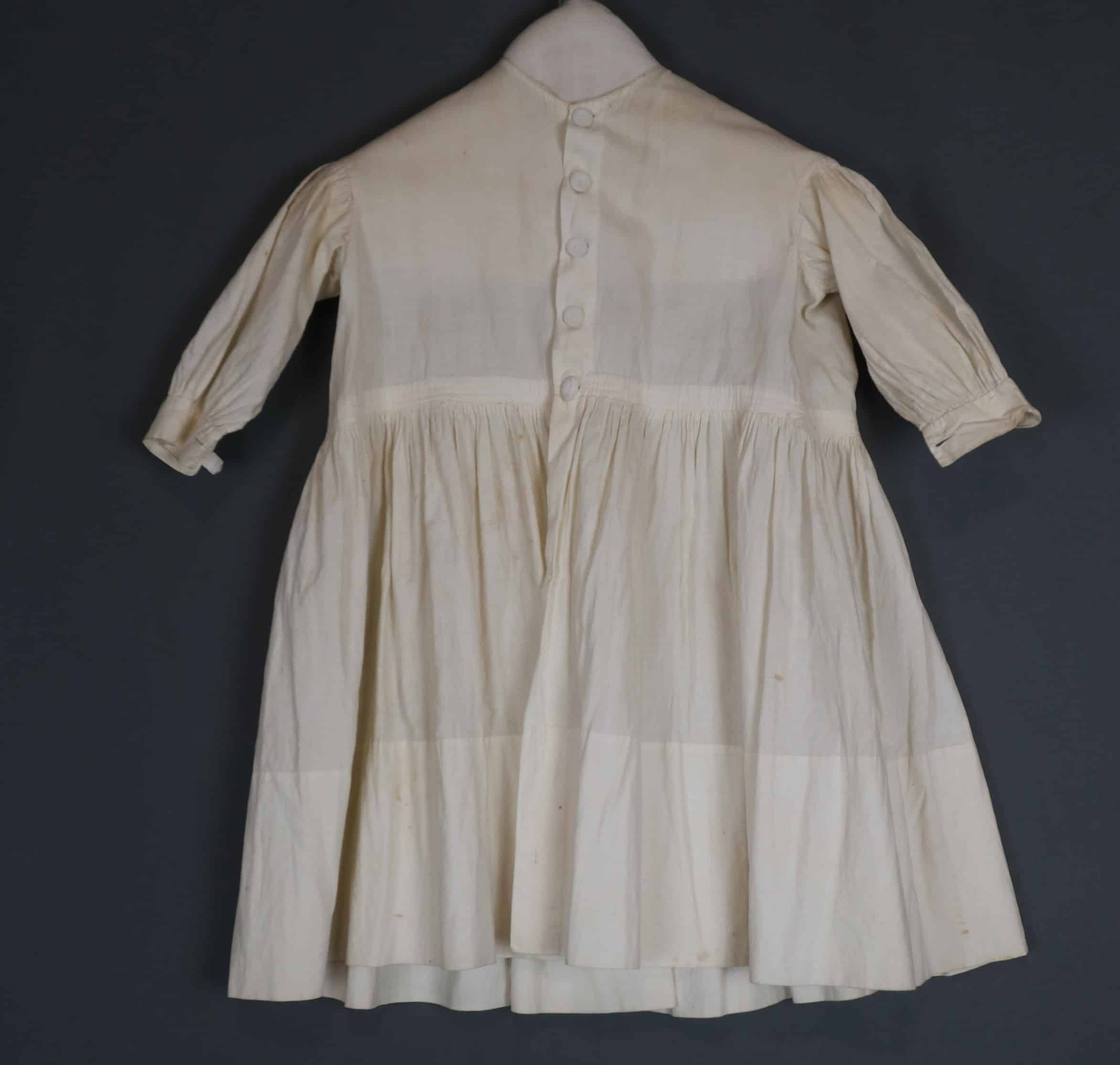
While her primary role was nursing, Phillis’s responsibilities gradually expanded to include other forms of domestic labor. As early as April 12, 1852, correspondence noted she was responsible for coarse sewing, which refers to the making of household items such as towels, sheets, or even clothes for enslaved people. This suggests that, although Phillis had some sewing skills, she was not given more intricate and fine sewing tasks like the making of the Watsons’ clothes.
Phillis, however, could have been assigned to make this child’s dress (pictured on left) made out of cotton dimity. The stitching and structure of the dress is simple enough that it would still be considered “coarse sewing,” and not “fine sewing.” Additionally, the fact that this dress was most likely worn by Walter, the youngest Watson child whom Phillis took extensive care of, confirms this hypothesis.
The nature of her labor slightly changed in 1859, when the Watsons traveled north and sent her back to Greensboro. A letter from June 23, 1859, observed that “Phillis is thinning quietly, having finished Frank’s clothes, hemmed some tumbler towels, cleared her (?), etc.” After her dedicated nursing duties ceased during the family’s travels, she continued to perform the sewing skills she had previously acquired.
The complete stop to her nursing role might have brought up complicated feelings for Phillis, who had spent years as the primary caregiver for the Watson children. Describing this separation on June 28, 1859, Sophia wrote to her sister-in-law Julia:
“I suppose Aunt Phillis scarcely knew what to do with herself after Walter left. He missed her at first too—as much as she could have done him, but happily he soon made himself contented with strangers.”
While the family speculated on her feelings, the historical record remains silent on Phillis’ actual perspective.
When most of the children except Walter returned to Greensboro, Phillis resumed her caretaking and expanded her domestic influence. Sereno Watson, managing the estate in Henry’s absence, wrote of Harriett “contriving ways to keep Lizzy and Phillis engaged, and overseeing the children” (Sereno to Henry, August 12, 1859).
Phillis also demonstrated knowledge of herbal remedies; in September 1859, “Aunt Phillis presented Mint Tea for her I think it is doing her good.” Such medicinal expertise was common among enslaved women, who often had to rely on self-taught healing practices in the absence of professional medical care on the plantation. Finally, by 1860, Phillis assumed the role of household cook, replacing Ellen, whose “temperament” had long frustrated Henry (Sereno to Henry, July 31, 1860) .
End of Life
The last letter mentioning Phillis dates back to October 27, 1860, in which Sereno mentions that she has been sick: “Aunt Phillis has been down for the last two days with perhaps a chill. She is better today.” Given her close proximity to Sophia, who was battling tuberculosis, it is possible Phillis contracted the same illness.
Phillis passed away in 1864 at the age of 74. Only a year later, enslaved people in Alabama finally received the freedom that was promised to them three years prior in the Emancipation Proclamation.