Seth Pomeroy
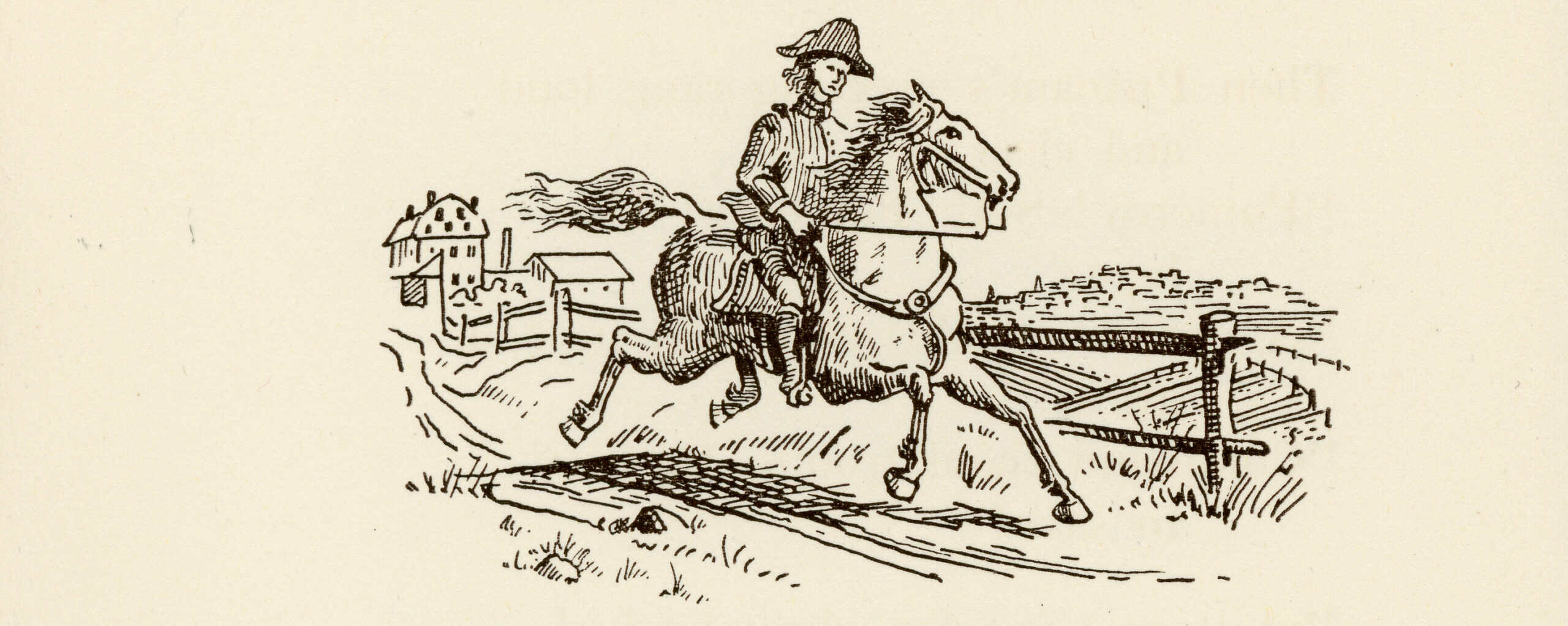
During the American Revolution, many Northampton men went east to Boston or west to New York to fight. Perhaps the most famous locally of these men is General Seth Pomeroy (1706–1777). He was a third-generation blacksmith for the town.
The Pomeroys in Northampton
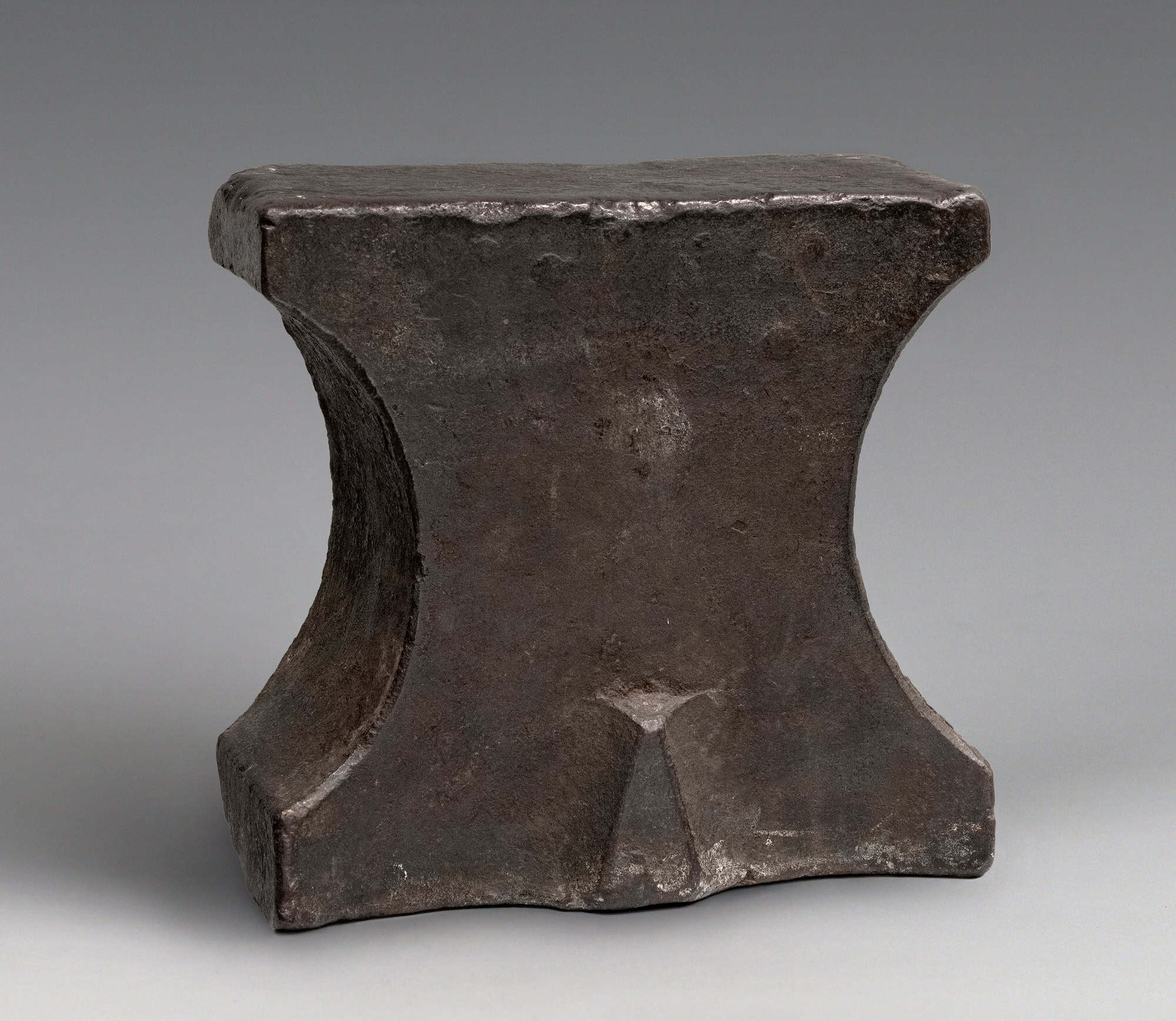
Seth Pomeroy’s grandfather, Medad Pomeroy (1638–1716), arrived in Northampton in 1660, six years after British settlement, and received land and tools in exchange for becoming the town’s blacksmith. Blacksmiths were an essential business for colonial towns.
Little is known of Seth Pomeroy’s early life other than that he took over the Pomeroy blacksmith business from his father Ebenezer (1699–1754), who was Medad’s son. Seth Pomeroy lived on Main Street, about where TD Bank (175 Main Street) stands in 2026. In 1732 he married local woman Mary Hunt and together they had nine children. One son, Quartus, succeeded his father in the blacksmith business, and another, Lemuel, became a gunsmith. Their youngest son, Asahel, took over another family business—tavern keeping, which he operated in the Pomeroy homestead on Main Street.
Military Career
Seth Pomeroy began his military career in 1743 as a “snowshoe man” in King George’s War (1744–1748) defending English settlements in northern New York from attack by French settlers and their Indigenous allies. He was an expert gunsmith and carried a firearm that he had made.
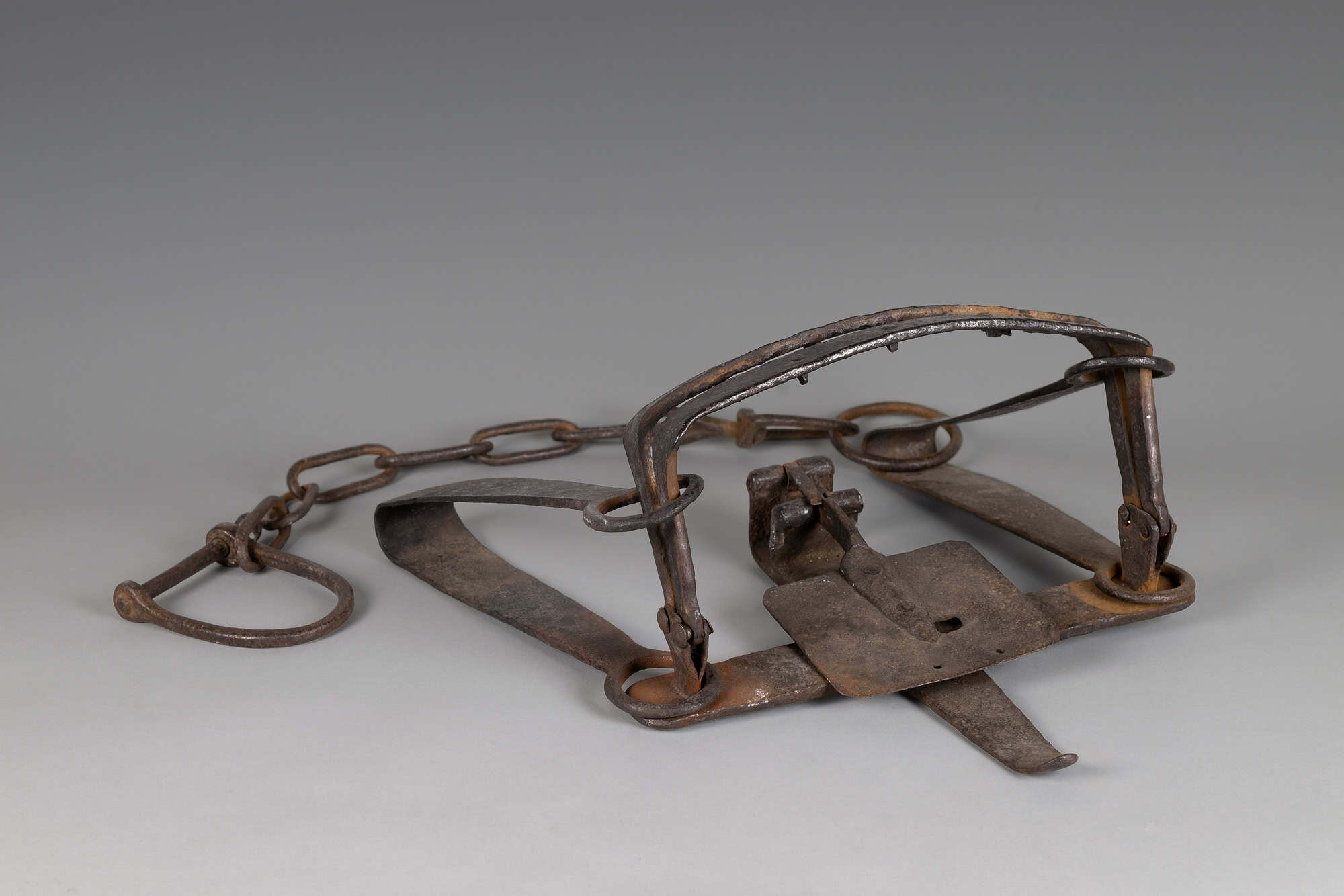
Over the next 50 years he would participate in several more colonial wars. He led a group of Northampton militiamen in the 1745 siege of Louisbourg (located on Cape Breton, now part of Canada), a pivotal moment in King George’s War.
Pomeroy eventually earned the rank of major general in the Massachusetts Militia during the American Revolution. At age 69, he famously fought on the front lines of the Battle of Bunker Hill, using a gun he had made. He is credited with leading an orderly retreat. Before heading to Boston, he mustered the militia in front of the meetinghouse in Northampton.
In June 1775, following his heroic performance at Bunker Hill, the Continental Congress named him one of eight brigadier generals. He was the highest ranked by seniority. While the exact reason is uncertain, Pomeroy rescinded his acceptance of the post within the year.
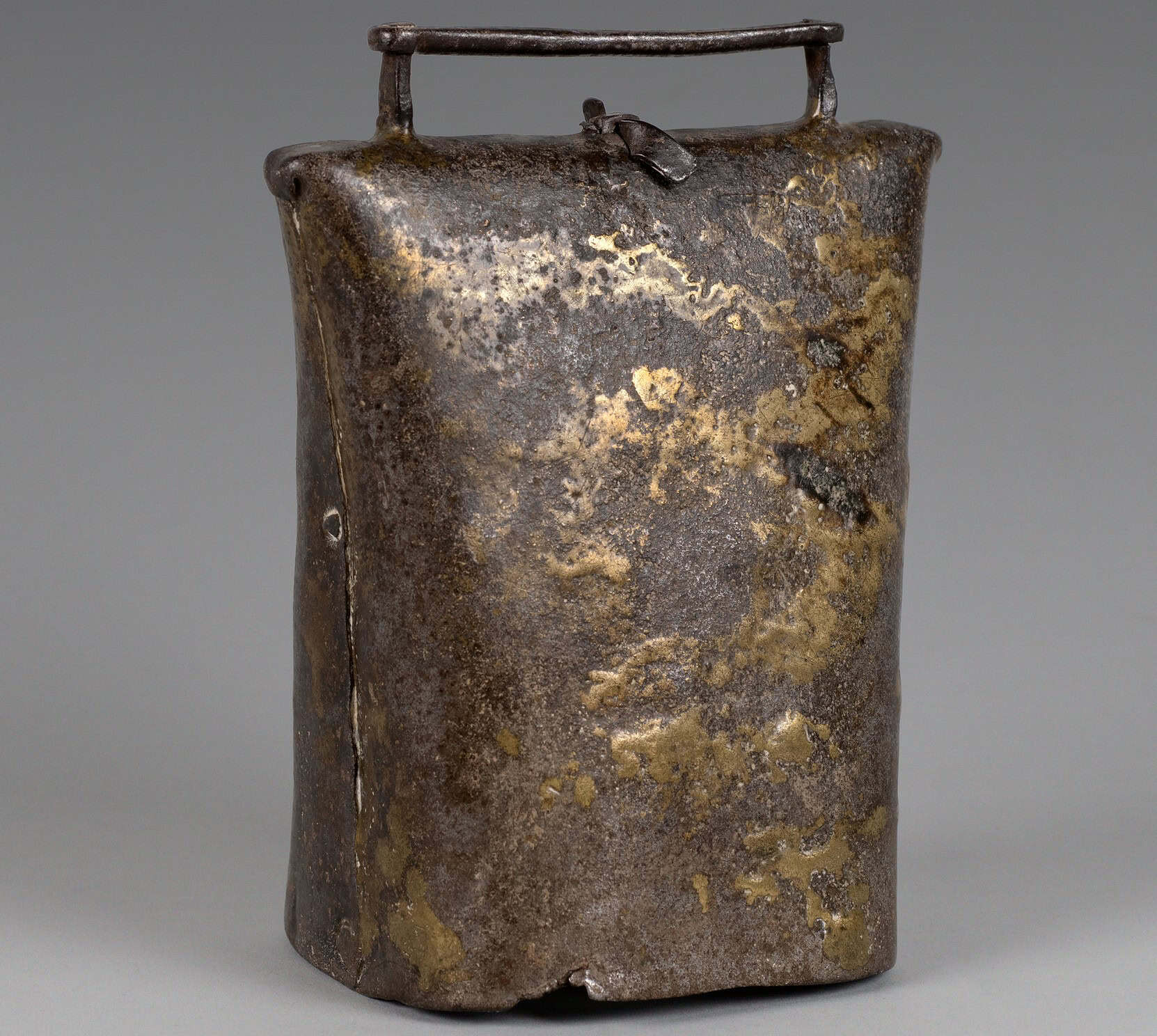
Despite this, George Washington eventually did convince him to take command of the Massachusetts Militia. In 1777, the 71-year-old Pomeroy started to lead a militia to Peekskill, New York, the Continental Army’s command center in the Hudson Valley. He died en route and was buried in Peekskill. A cenotaph for Seth Pomeroy is in Northampton’s Bridge Street Cemetery.
The Pomeroy Family & Slavery
While he was away, Pomeroy wrote regularly to his family with instructions on or discussion about how to manage his blacksmith business and the home. In 1747, Seth wrote to his wife from Boston with news that he had arranged for an indentured servant, a British girl, to help his wife in the household. In the same letter he mentioned an unsuccessful attempt at purchasing an enslaved man, a “smith,” because he was too costly. This passing line in a letter home reveals the casual omnipresence of slavery in New England. While there is no evidence that Seth himself ever enslaved someone, both he and his wife had relatives who did.
For more information on slavery in Northampton, see here.
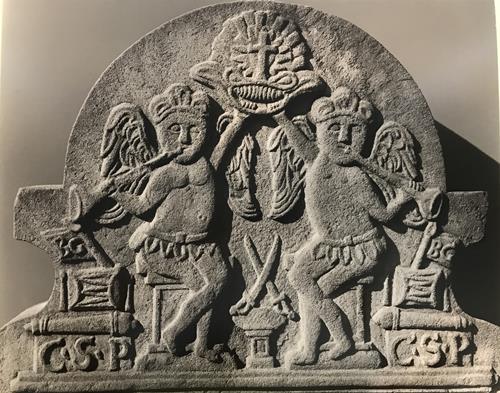
Seth Pomeroy’s Legacy
Seth Pomeroy, despite his legacy as a Revolutionary War hero, did not actually live to see the United States of America. He died six years before the end of the war. His life in British North America was defined by colonial conquest, first for the Crown and finally against.
In the Colonial Revival Movement of the late 19th and early 20th centuries, Northampton citizens hailed Pomeroy as a forgotten hero. In 1898, the Sons of the American Revolution memorialized him with a plaque at the site of his death. In 1911, a Northampton historical pageant participant read a poem in his honor, urging listeners to place Pomeroy’s courage in the same category as Paul Revere’s. These actions solidified Seth Pomeroy’s legacy as Northampton’s early military hero.
Further Reading
HN has archival materials and objects associated with Seth Pomeroy and other family members. Some of these items can be viewed by browsing our collections catalog or contacting us for a research visit.
David Correira, “Seth Pomeroy: The Forgotten General,” Varsity Tutors. Accessed on December 12, 2024.
Louis Effingham de Forest, ed., The Journals and Papers of Seth Pomeroy, Sometime General in the Colonial Service. The Society of Colonial Wars in the State of New York, 1926.