Loudville
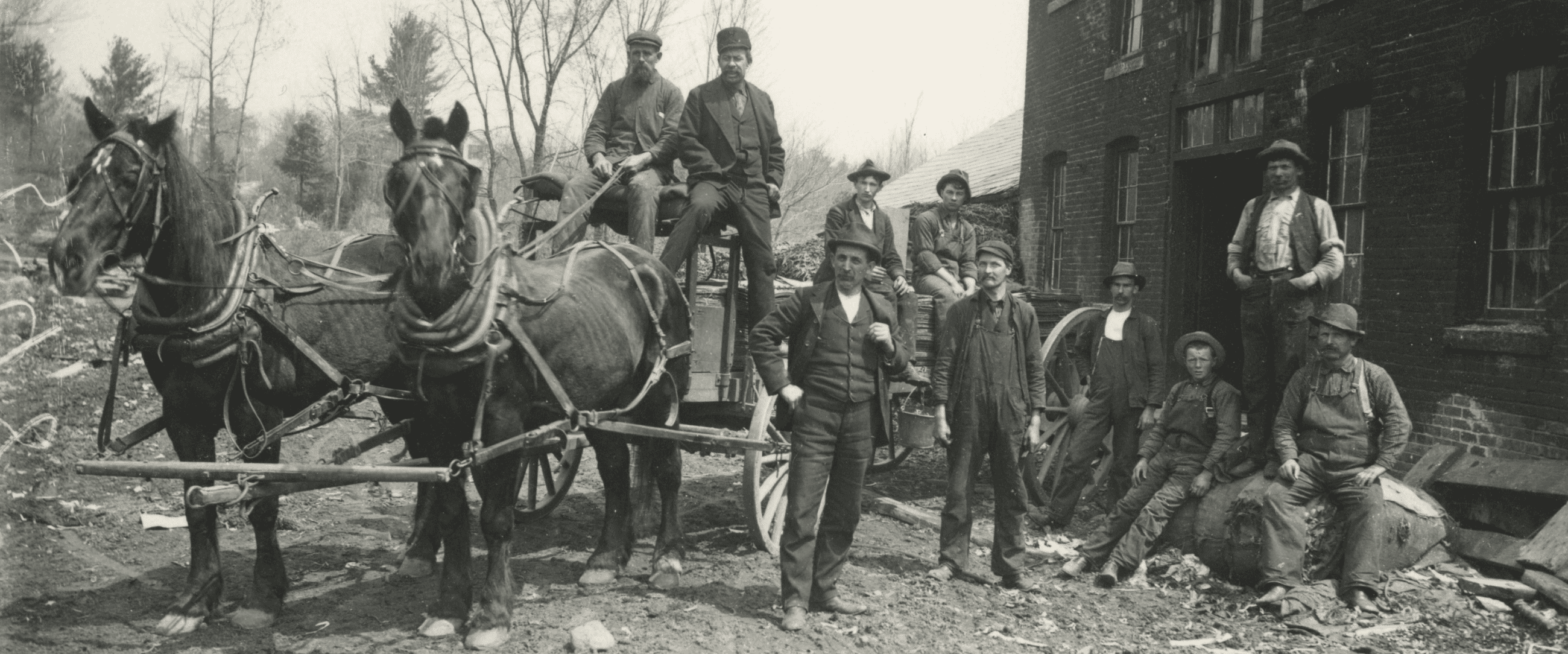
Loudville, Massachusetts is a small hamlet that straddles the boundaries of Northampton, Westhampton, and Easthampton. The village lies in a valley along the banks of the North Branch of the Manhan River, a tributary to the main branch of the Manhan, which joins the Connecticut River at the Oxbow near Mt. Tom.
For centuries, Native Americans fished the waters of the Manhan, but it wasn’t until the European immigrants who founded Northampton arrived in the area that the waterpower of the river was harnessed to operate mills. The first known mill along the river was a sawmill that was in existence as early as the mid-18th century.
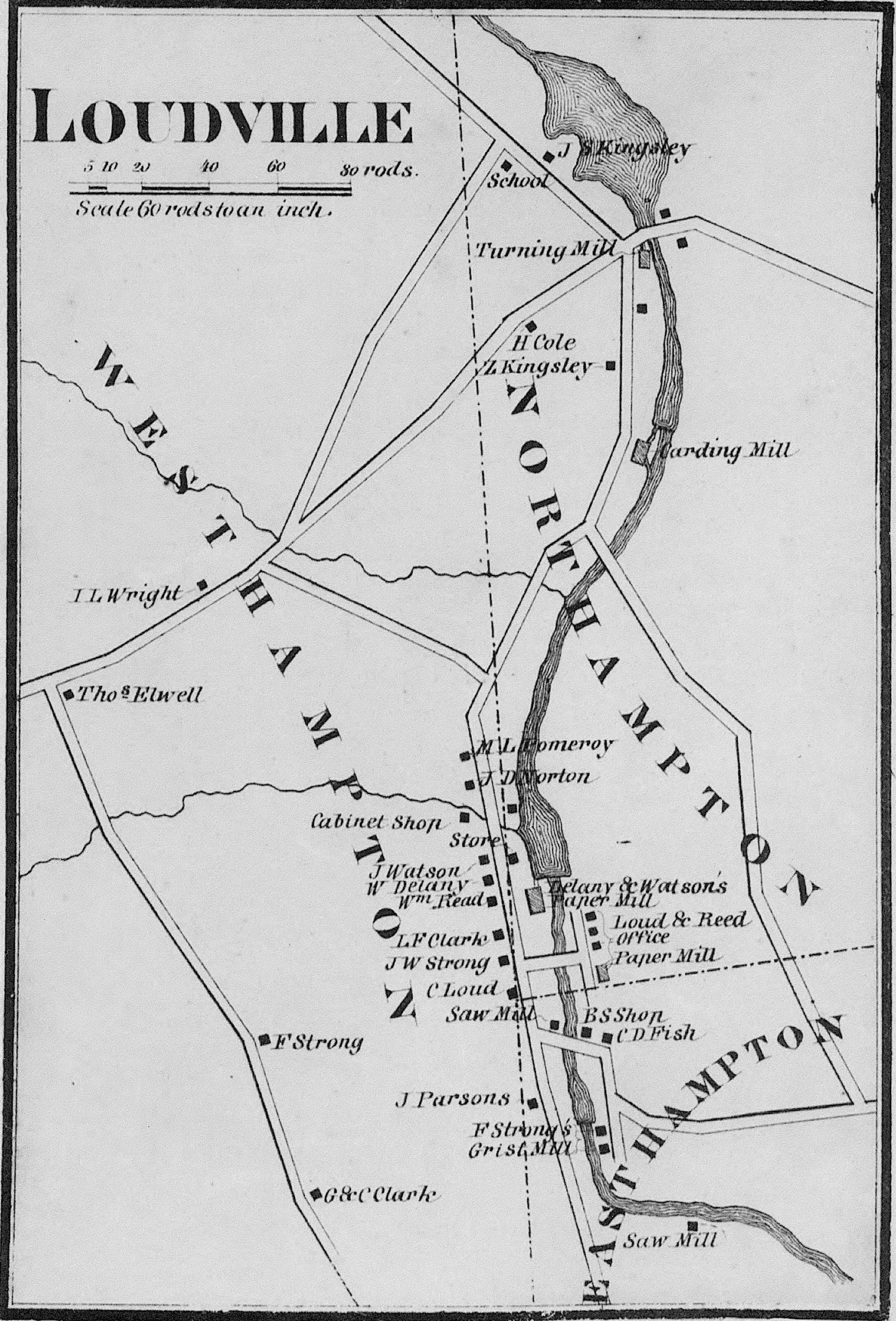
Kingsleyville
In the early 19th century, the number of mills along the Manhan began to grow. The Kingsley family developed the area at the four-way intersection of today’s Route 66, Loudville Road, and North Loudville Road. For over 50 years, so many members of the Kingsley family lived at this crossroads that the area was referred to as Kingsleyville.
The Kingsleys were entrepreneurs and built a carding mill, a wood-turning mill, a gristmill, a tavern, a blacksmith shop, a brass foundry, a mill pond, and numerous houses near the four corners.
Caleb Loud
In 1833, Caleb Loud built the first mill in the lower part of the village. Loud was a talented woodworker who was known throughout New England as an expert on the construction of overshot waterwheels for mills and factories. Like the Kingsleys, he was an entrepreneur who at various times owned a woodturning mill, a gristmill, a sawmill, a blacksmith shop, and a paper mill. His pioneering spirit led to the development of the thriving industrial village that came to bear his name.
The Paper Mills
In 1839, John Fish built the first paper mill in Loudville. Seven years later, Caleb Loud converted his woodturning mill into a paper mill. Loud initially experimented with making paper from the stalks of broom corn, but soon reverted to the more traditional approach of using linen and cotton rags.
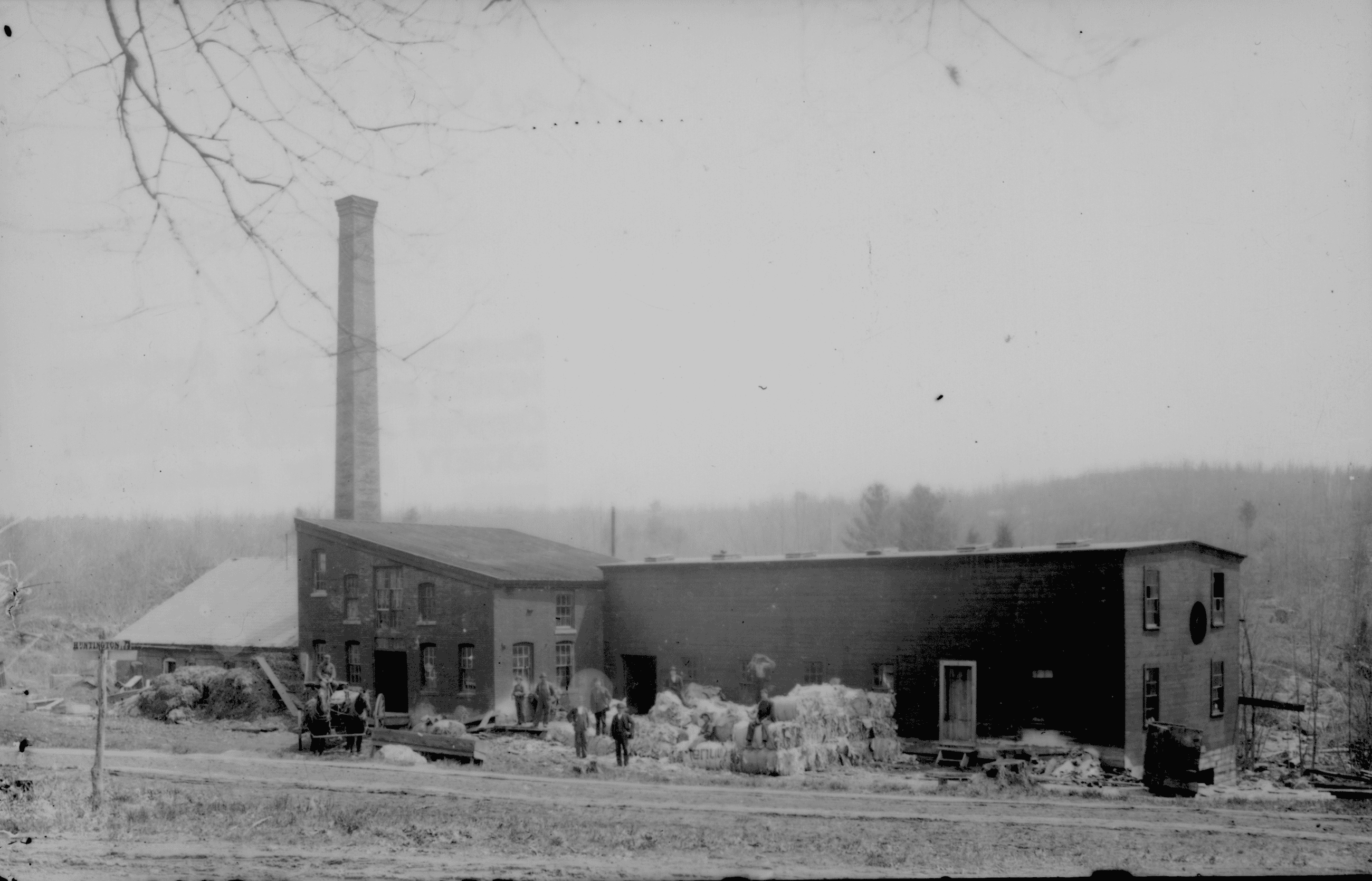
By the 1860s, Loudville had gained a reputation for papermaking. At one time, four paper mills were operating simultaneously along the banks of the river.
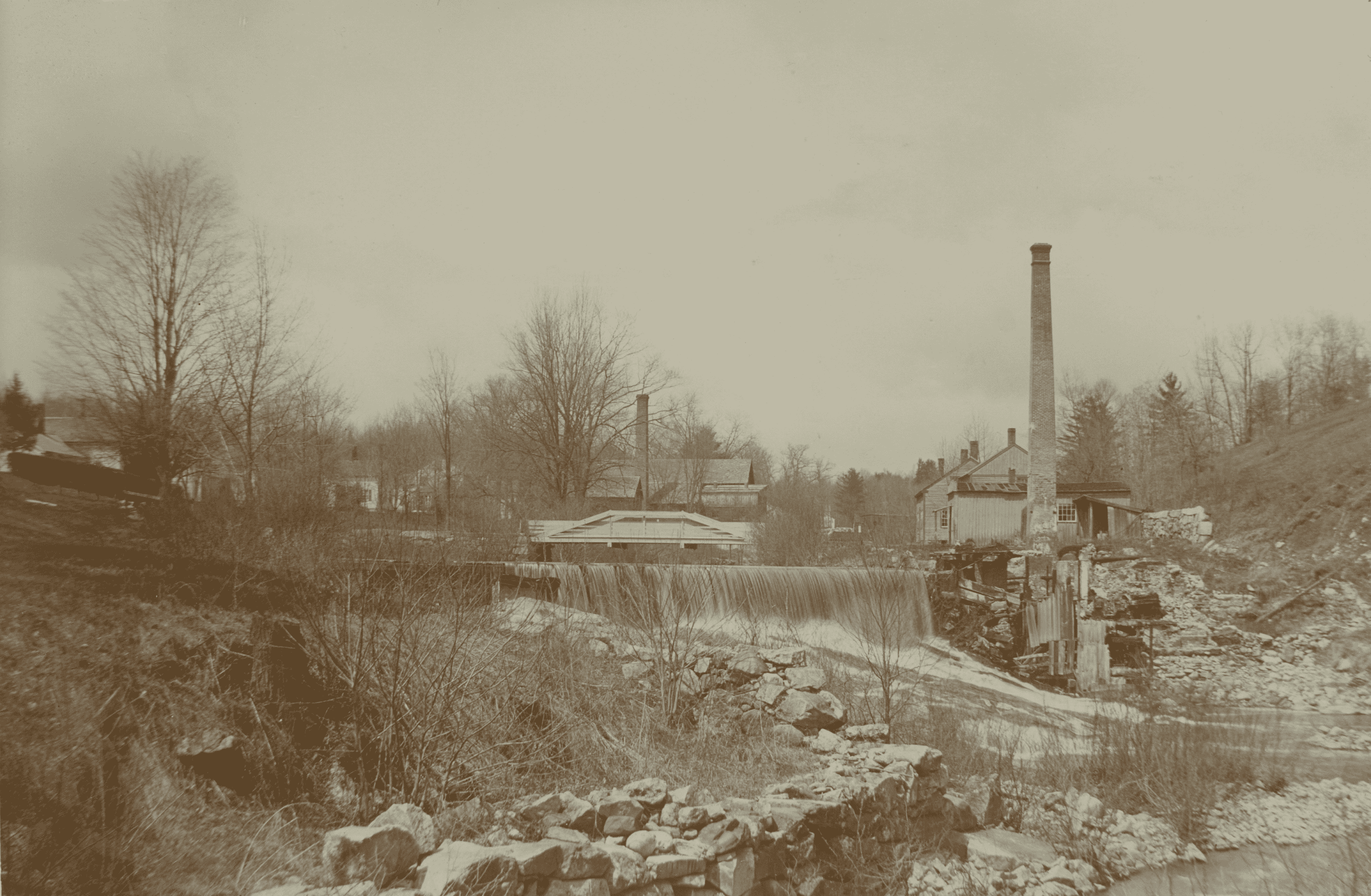
An Industrious Village
Other craftsmen built mills along the Manhan. George Drury, Stephen Rust, and J. D. Norton all operated wood turning mills. Norton later turned to the manufacture of ladders, and his son Leonard became known throughout the valley as “the ladder man.”
For many years Franklin Strong owned a gristmill in the south part of the village, while various men operated the blacksmith shop and the sawmill nearby.
Fires and Floods
Fires were a constant threat to the mills of Loudville. Bundles of rags could spontaneously combust, and lightning strikes were a constant danger. Despite efforts to make the mills as “fireproof” as possible, every mill eventually suffered a major fire.
A pivotal moment in the history of Loudville was the great freshet of 1869. In early October, a long drought was broken by two days of relentless rain, and water levels rose to an extent that streams and rivers could not handle. Strong Kingsley’s three-story wood turning mill in the upper village crashed into the river, sending a torrent of wood and debris downstream. The rolling onslaught damaged or destroyed every other mill along the river. The sawmill and blacksmith shop in the lower village were obliterated, leaving only the bedrock beneath them.
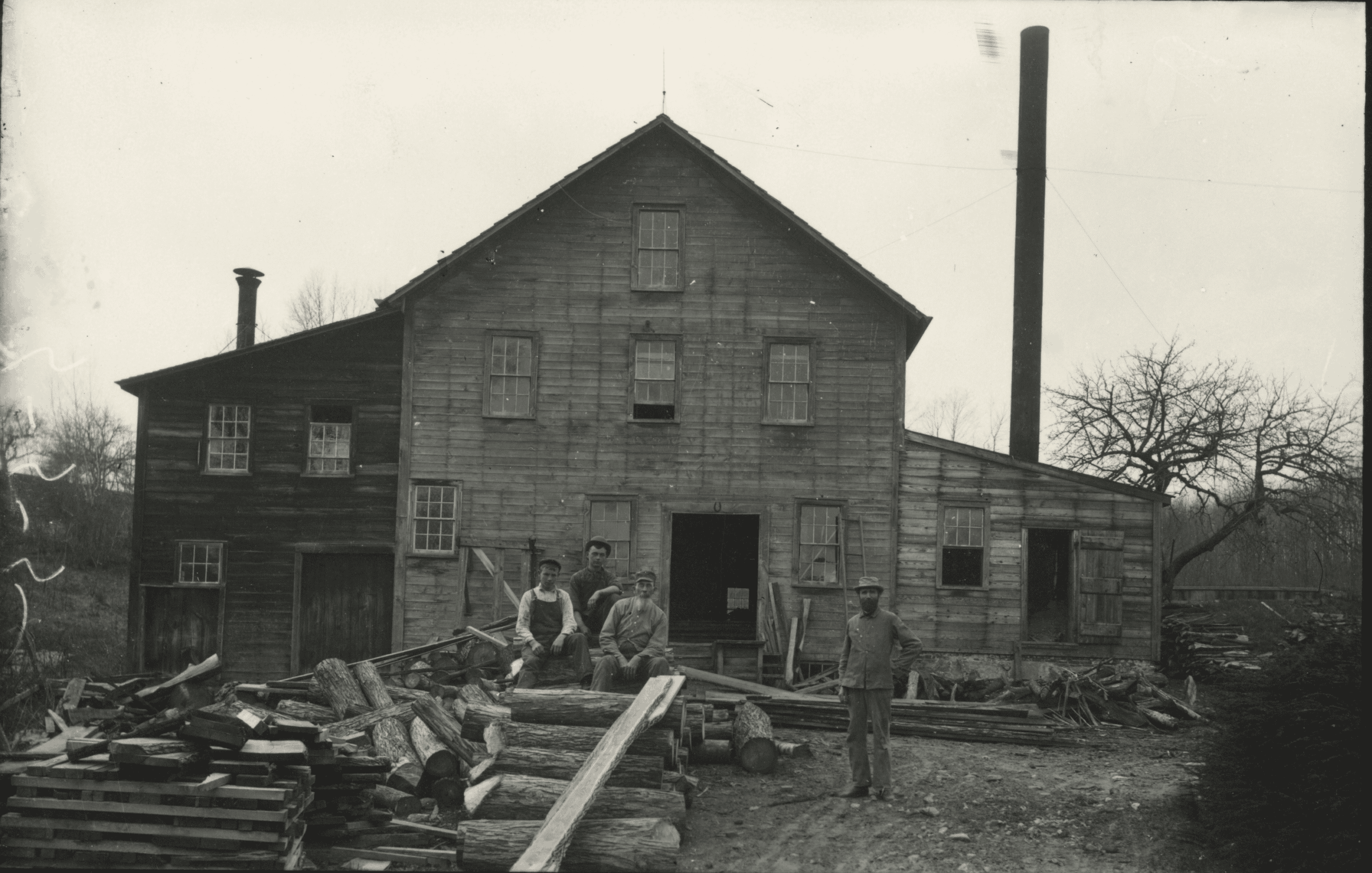
The Reservoir
Although a reporter once described the North Branch of the Manhan River as an “impetuous little stream” that periodically wreaked havoc on the mills along its banks, at times the volume of water in the river was so low that the mills could not operate at full capacity. When Williamsburg built a dam in 1866 to solve its water problems, factory owners in Loudville were inspired to build a reservoir of their own.
In the summer of 1871, a group of Loudville men purchased 150 acres in the north part of Westhampton, and by December a reservoir had been built. Water could now be released into the Manhan at times of drought. Although the reservoir helped with Loudville’s water shortages, it never completely solved the problem.
In 1924, nine years after the last mill was burned, the property of the Westhampton Reservoir was developed into the Pine Island Lake Association.
End of an Era
By the early 20th century, the era of the industries along the Manhan River in Loudville was in decline. Many forces had conspired against them. When the Kingsleys and Caleb Loud and other entrepreneurs established mills along the river in the first half of the 19th century, they were part of a movement to harness the pure waters of small rivers and streams to furnish power for family-run mills. As the century progressed, however, massive industrial complexes were built on the Connecticut River in places like Chicopee Falls, Holyoke, and Turners Falls. Tiny communities like Loudville simply could not compete.
The lack of a railroad meant that every product made in the mills of Loudville and every material needed for production had to be transported four and a half miles by horse and wagon along dirt roads to and from the train station in Easthampton. Despite the pleas of mill owners, a railroad to Loudville was never built, and the dirt roads were not paved until after the last of the mills had burned.
Frequent changes of ownership, multiple bankruptcies, court-ordered auctions, and bitter lawsuits all characterized the death throes of the era of the mills along the Manhan. When the last mill burned in 1915, no effort was made to rebuild. The valuable mill privileges were abandoned, leaving only scattered bricks and the remnants of dams to mark the memory of a once-thriving community.
For a more in-depth history of the mills of Loudville, see An Impetuous Little Stream: The History of the Mills along the Manhan River in Loudville, Massachusetts, 1815 – 1915, by James E. Bridgman.