Baseball in Northampton
1791—Mid 19th Century: The Enigma of “Bat Ball” and Early Baseball-like Play
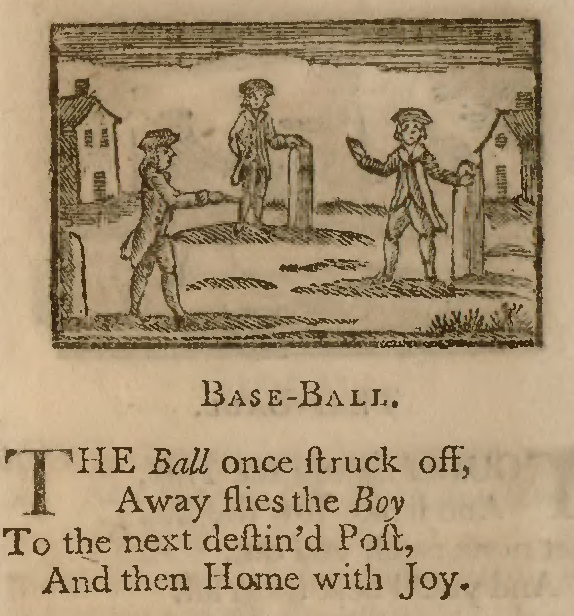
Baseball has been called “America’s Pastime,” though its origins are older than the Republic, with roots in English bat-and-ball games. Baseball wasn’t invented; it evolved as an amalgam of children’s play, imported games, and adaptations to new circumstances. Given that there is often a difference between “play” and “organized” games, it’s difficult to say what baseball really was before rules were standardized. Whether one called it “base,” “bat-ball,” or “baseball,” the rules were willy-nilly when fire companies, college students, and baseball “clubs” challenged each other to matches. We know that Northampton citizens played bat-and-ball games before the emergence and standardization of baseball, though nailing down what those games were is more difficult.
In 1791, both Pittsfield and Northampton banned ball and bat activities near their respective meeting houses. Because the Pittsfield document specifically used the term “baseball,” it gets credit for the earliest known American use of that term. In all likelihood, although aspects of the game might have looked familiar to today’s baseball, much would have been unfamiliar.
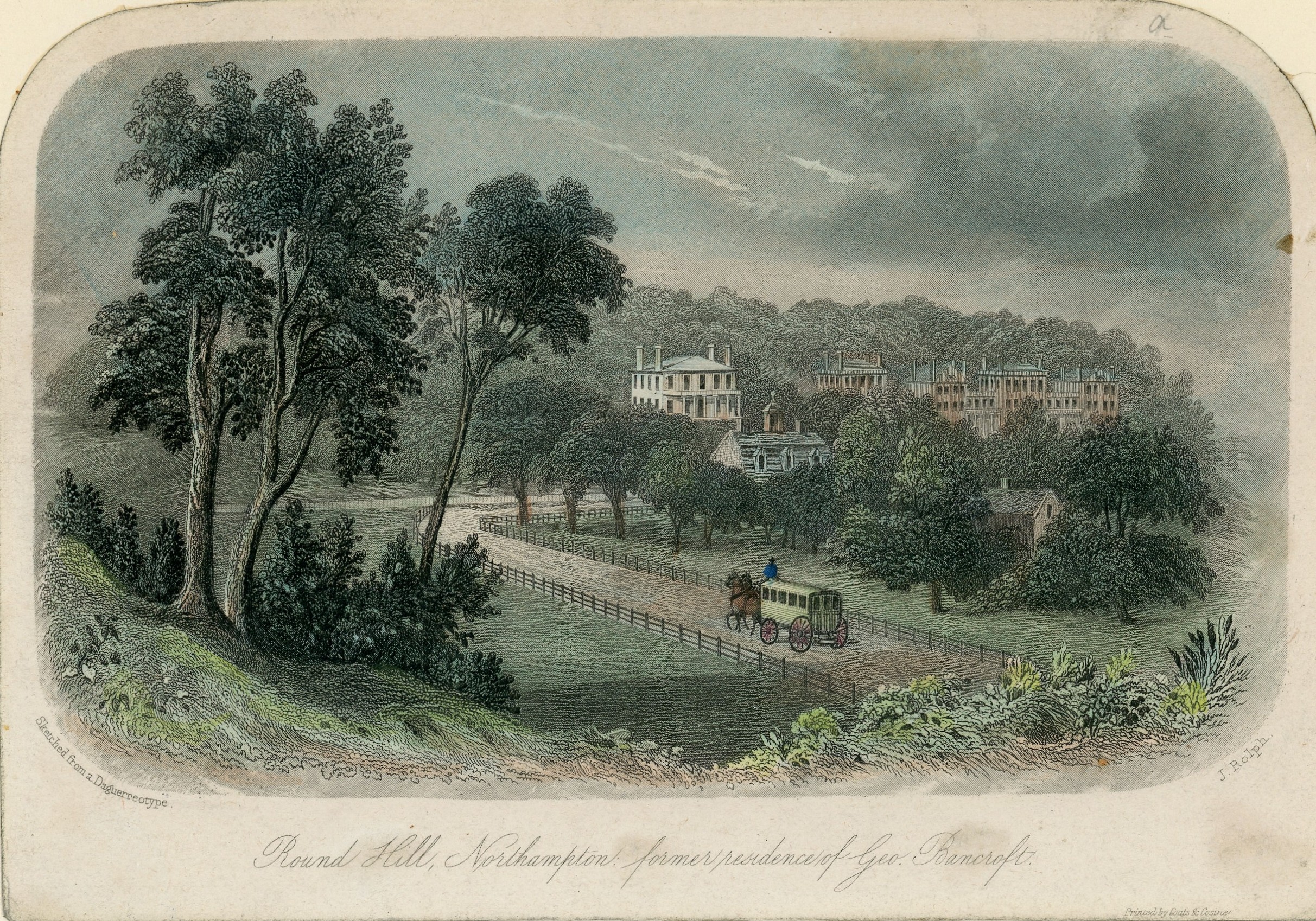
In 1884, merchant and abolitionist John Murray Forbes (1813–98) recalled his schooldays in the late 1820s at the Round Hill School. He wrote, “Boys were taught to ride, had skating and swimming in their seasons, and wrestling, baseball, and football.” In 1885, another RHS alum, educator, and physician, George C. Shattuck, Jr. (1813–93) also spoke of “Base-ball” in his remembrances.
It is, indeed, possible that elementary forms of baseball appeared at Round Hill. The school lasted just 11 years (1823–34), but its innovative curriculum became a national sensation. Founders Joseph Cogswell (1786–1871) and George Bancroft (1800–91) were influenced by the educational theories of Johann H. Pestalozzi, which emphasized both mental and physical disciplines. In an age when most schools for boys focused on intellectual discipline in airless classrooms, Round Hill promoted the Greco-Roman ideal of “a sound mind in a sound body,” and scheduled three closely-monitored recesses each day.
In 1825, Dr. Charles Beck (1798–1866) joined the Round Hill faculty. Beck fled Europe because of his association with F. L. Jahn, an imprisoned leader of a gymnastics movement with political overtones. Beck conducted classes in the outdoors “gymnasium,” but did he encourage baseball-like games? In his 1828 preface of Jahn’s renamed Treatise on Gymnastics, Beck claimed that, “The school of Messrs. Cogswell and Bancroft … was the first institution in this country [that] introduced gymnastick exercises as a part of the regular instruction.” He also wrote, “Playing ball is very much to be commended.” Beck praised, “various exercises: throwing, striking, running, catching, etc.” Letters from students mentioned ball games, though some include references to “soaking,” which suggests roundball. If Round Hill did indeed teach the fineries of baseball when the two men were youngsters in the 1820s, it would have been one of the first schools to do so. One must, however, be cautious of recollections a half century in the past.
Future abolitionist and tycoon John M. Forbes graduated from Round Hill in 1828. In a March 26, 1936, letter, Forbes described organizing the Union club. “… [I]t one day occurred to me that to vary the exercise we might have a game of Ball … I had bats and a ball made, [and] we got up a sort of game; the next day, some of the English found their way down to us, and we have since had several games….”
Forbes was not alone in his fascination with bat-and-ball games. Cogswell had witnessed the post-Civil-War fad for baseball by the New York rules and at 80 years old expressed his discontent with how change had cheapened games he had played as a child: “It seems to me that these athletic exercises, both base ball and boating, are doing as much harm as good … now that they are carried to extremes, and it is manifest that young men are now more ambitious to excel in them than in scholarship.” Forbes and Cogswell saw the evolution of baseball firsthand; the first man was nostalgic and the latter critical.
Northampton had another dramatic brush with the evolution of baseball in the 1840s, one that showed that the New York game had yet to supplant earlier games. “Bat ball” resurfaced when the Hutchinson Family Singers came to the area in 1844 to perform their anti-slavery repertoire. They stayed at the Northampton Association of Education and Industry, a utopian community in what is now Florence. On April 27, Asa Hutchinson reported, “We had a game at Bat Ball which we enjoyed.” It was probably a form of rounders. Hutchinson also noted the arrival of abolitionist ally “Fred” Douglass and another bat ball game with Douglass present. We don’t know whether or not Douglass joined in.
As much by chance as forethought, by the 1830s, there were three dominant forms of early baseball: the “Massachusetts” game, the “Philadelphia” (or “town ball”) game, and the “New York” game, which would go on dominate in popularity and form the basis for modern baseball rules. By the late 19th century, baseball was an established American enterprise, and precursor bat-and-ball games–rounders, bat-ball, stoolball, and townball– had faded.
During the Civil War
The Civil War had a profound effect on baseball. Soldiers from all walks of life played baseball when they could, usually by New York rules, a set of 20 rules established in 1845. One rule stated that a player cannot throw the ball at a player to get him out. The Army of the Potomac assembled a championship team composed mainly of young men from Western Massachusetts. A veritable baseball craze spread even as the war waged, with factory hands across New England playing baseball wherever they could find space.
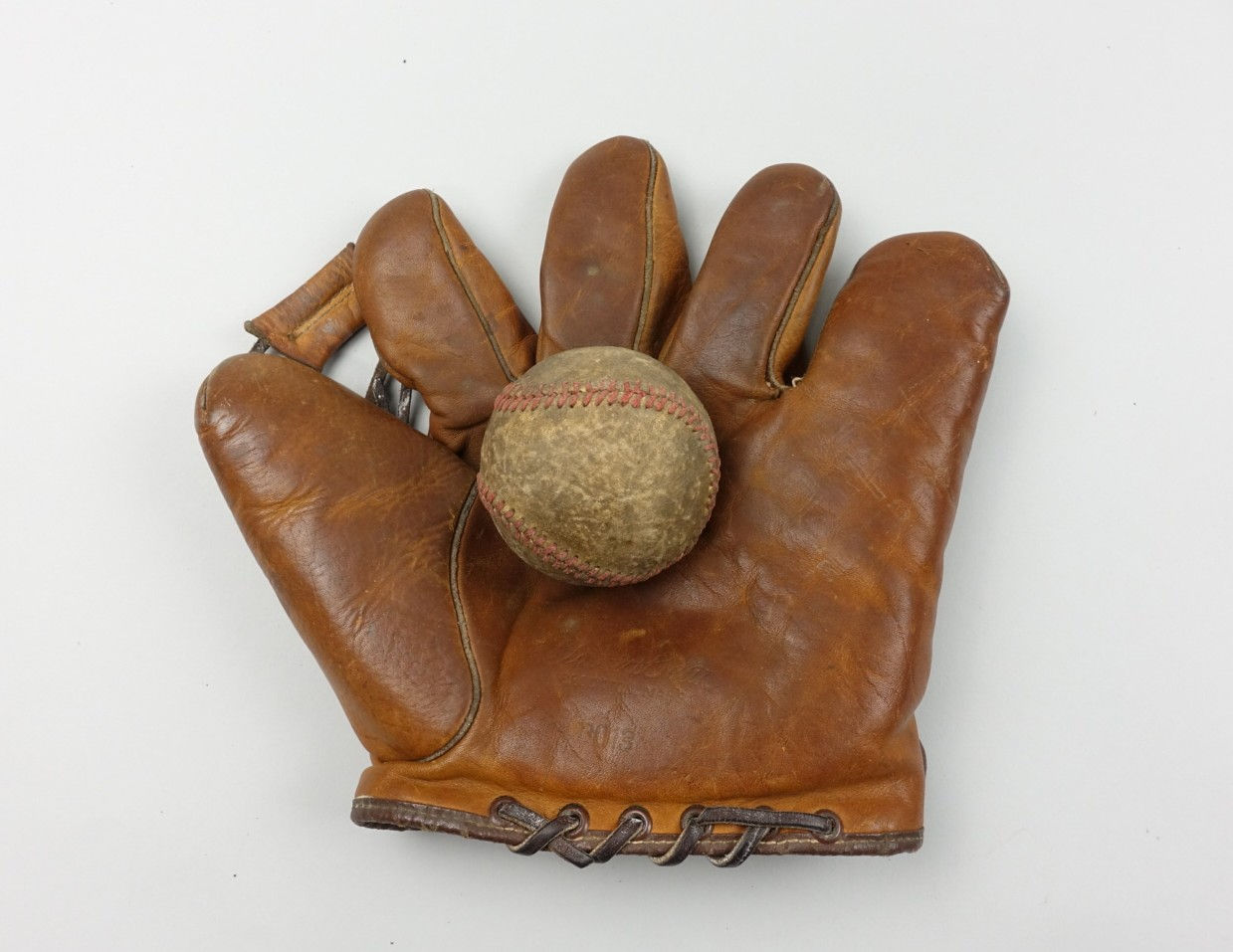
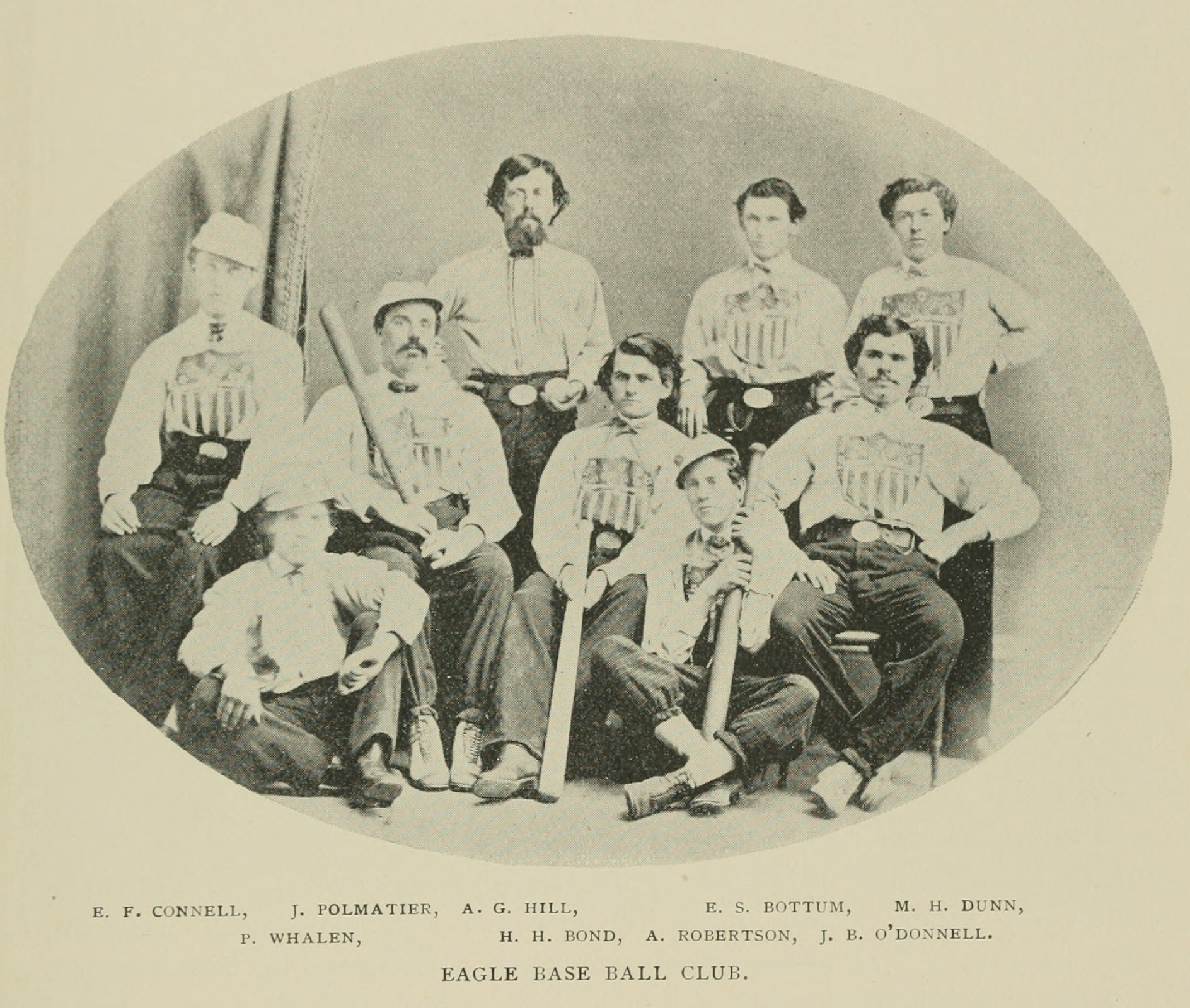
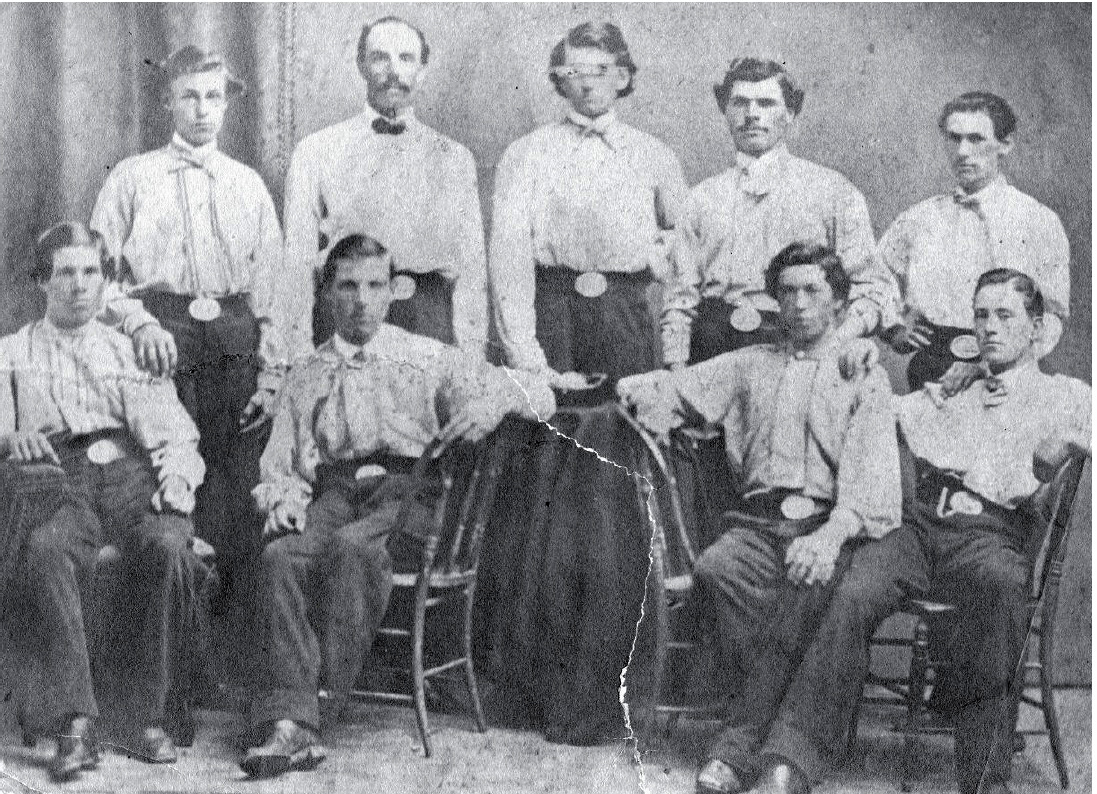
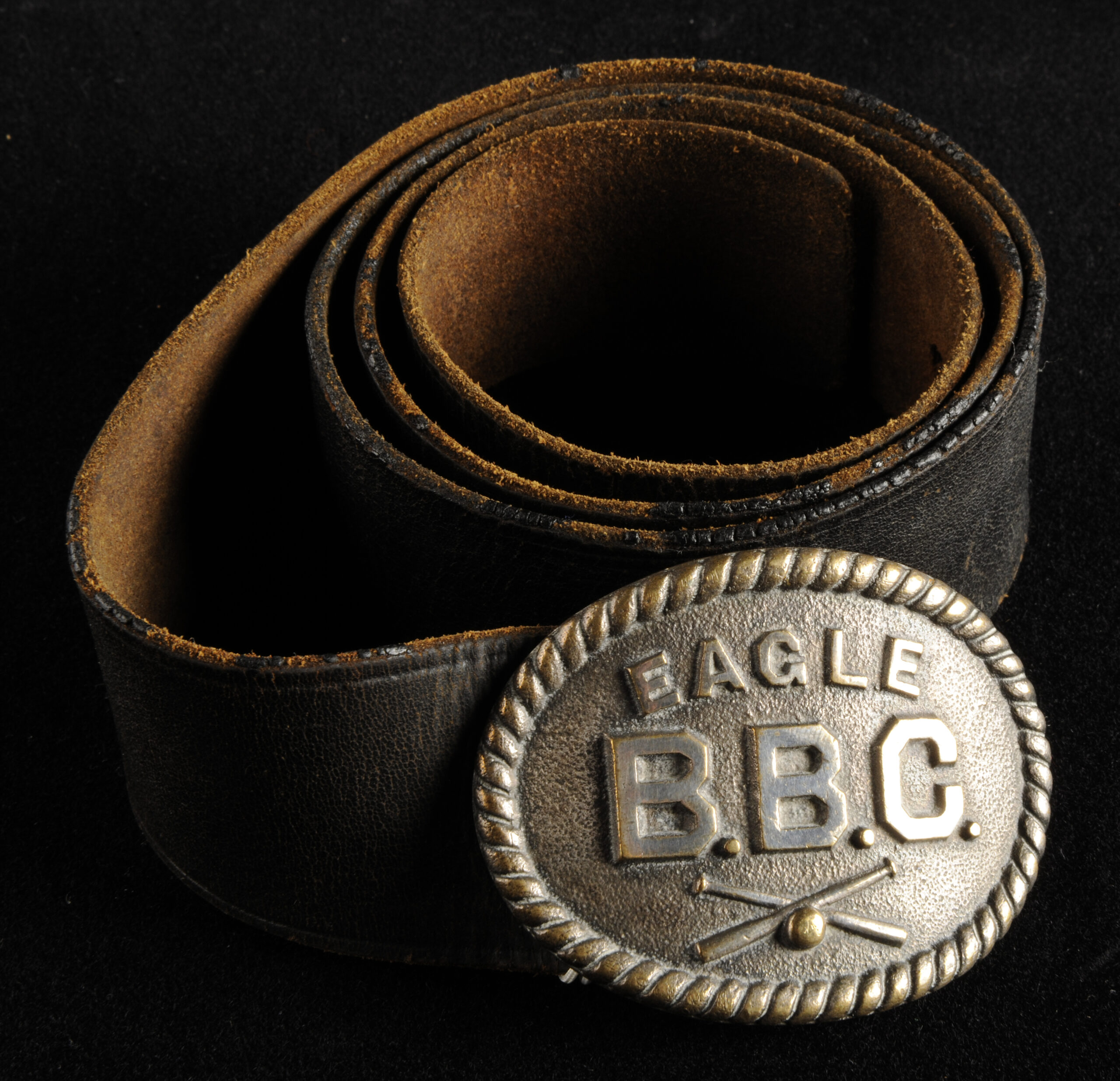
The Florence Eagles formed in 1865, with local players and returning veterans making up the roster: Luther B. Askin, Henry H. Bond, Edward S. Bottum, Fred W. Clark, Edmund Connell, Michael H. Dunn, Edward H. Hammond, Arthur G. Hill, Philip J. Mara, John McGrath, James Mehan, John B. O’Donnell, Jonas Polmatier, Andrew Robertson, and Patrick Whalen. Several players had Irish surnames. Several of the players were factory workers. Robertson was the Eagles’ catcher; he played barefoot and could not afford a glove. Bond was a bank officer. O’Donnell was an Irish Catholic who later became mayor of Northampton. Polmatier (1840–1926) was a Civil War veteran by virtue of being a draft “substitute” for silk-mill owner John H. Leonard, and he was O’Donnell’s employer.
Two players were especially notable. Arthur Gaylord Hill (1841–1926) was the well-to-do son of the founder of the Nonotuck Silk Mill and a future Northampton mayor, but before the Civil War he was a committed abolitionist and a “conductor” on the Underground Railroad. Hill was the Eagles’ first team captain. Luther B. Askin (1844–1929) was his first baseman and a strong hitter. Askin earned the nickname “Old Bushel Basket” for his ability to catch the ball in his bare hands. A part of the Black community of Florence, Askin was quite possibly organized baseball’s first Black player on an otherwise all-white team. Like many working-class men, he was a proud volunteer fireman. Askin was also a keeper of Eagles’ memories and recalled that the first demonstration of “base ball” played by the New York rules took place in 1860, on the grounds where Florence Casket factory now stands.
The Eagles attracted attention when they defeated a team of returned veterans on August 1, 1865. This led to several baseball games throughout the rest of the summer—against teams from Conway, Amherst College, Easthampton, and Haydenville—all of which the Eagles won.
Over the winter of ‘65-‘66, the Eagles attracted as many as 100 members whose financial contributions allowed the team to buy uniforms and challenge clubs from outside the area. On June 9, 1866, the Eagles suffered their first defeat at the hands of the Hampden Club from Chicopee, at that time the possessor of the silver baseball signifying the championship of Western Massachusetts. (It was customary for challenge matches to award winners a trophy or an elaborate belt.)
Following Askin’s departure from the team—possibly because of an illness—the Eagles reorganized and challenged Chicopee to another match and won the silver ball trophy, which it would hold for three years, a period in which they lost only six games. When Chicopee won back the trophy, allegations of cheating by using a lighter ball proved to be true. The Eagles decided not to compete for the silver ball again. They traveled to New York to compete against the two most powerful clubs of the day, the Brooklyn Excelsiors and Brooklyn Atlantics. They lost those matches as expected, but held their own against the Atlantics, who were regarded as national champions.
In 1867, the Eagles defeated teams from all over the Northeast, including Greenfield, Pittsfield, New Bedford, Meriden, CT, and New London, CT. They were defeated twice by another of the most powerful teams of that era, the Lansingburgh (Troy, NY) Haymakers, destined to become one of the first major league ball clubs in the National Association and National League.
Recognized as the champions of western Massachusetts, the Eagles were invited to Boston to play against four other teams from the eastern part of the state. The Eagles advanced to the finals against the Tri-Mountain Club of Boston, but forfeited the game after disputes with an umpire they thought was biased. That might well have been true, as early baseball was rife with betting, cheating, threats, and fisticuffs on the field and in the stands.
The Eagles disbanded after the 1867 season. Record keeping was spotty, but the Eagles won either 36 or 52 games against just seven losses and a tie. The most likely reason for not fielding a team was that the members had grown old enough to give priority to their careers and families. The need for raising money might also have been an issue.
Nevertheless, the Florence Eagles played an important role in advancing interest in baseball in the pre-professional era. Some 4,000 spectators were said to have watched their games against Springfield. The Eagles ceased playing when professional baseball was about to take over.
Independent Baseball in Northampton, 1890s
From 1871 on, pro baseball was a business enterprise with contracted players, with the formation of the National League and later the American League, among others. Leagues competing outside of professional ball fell into categories such as: “independents” responsible for their own finances and player contracts; semi-pro teams that might pay some players but did not issue contracts; and amateur (high school, college, industrial leagues, and sandlot).
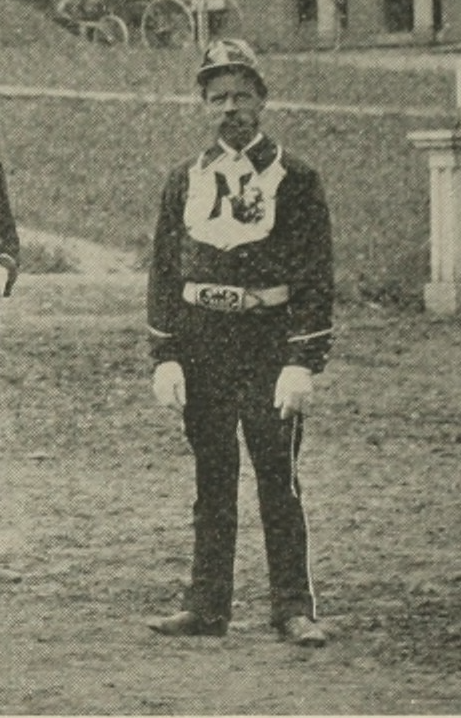
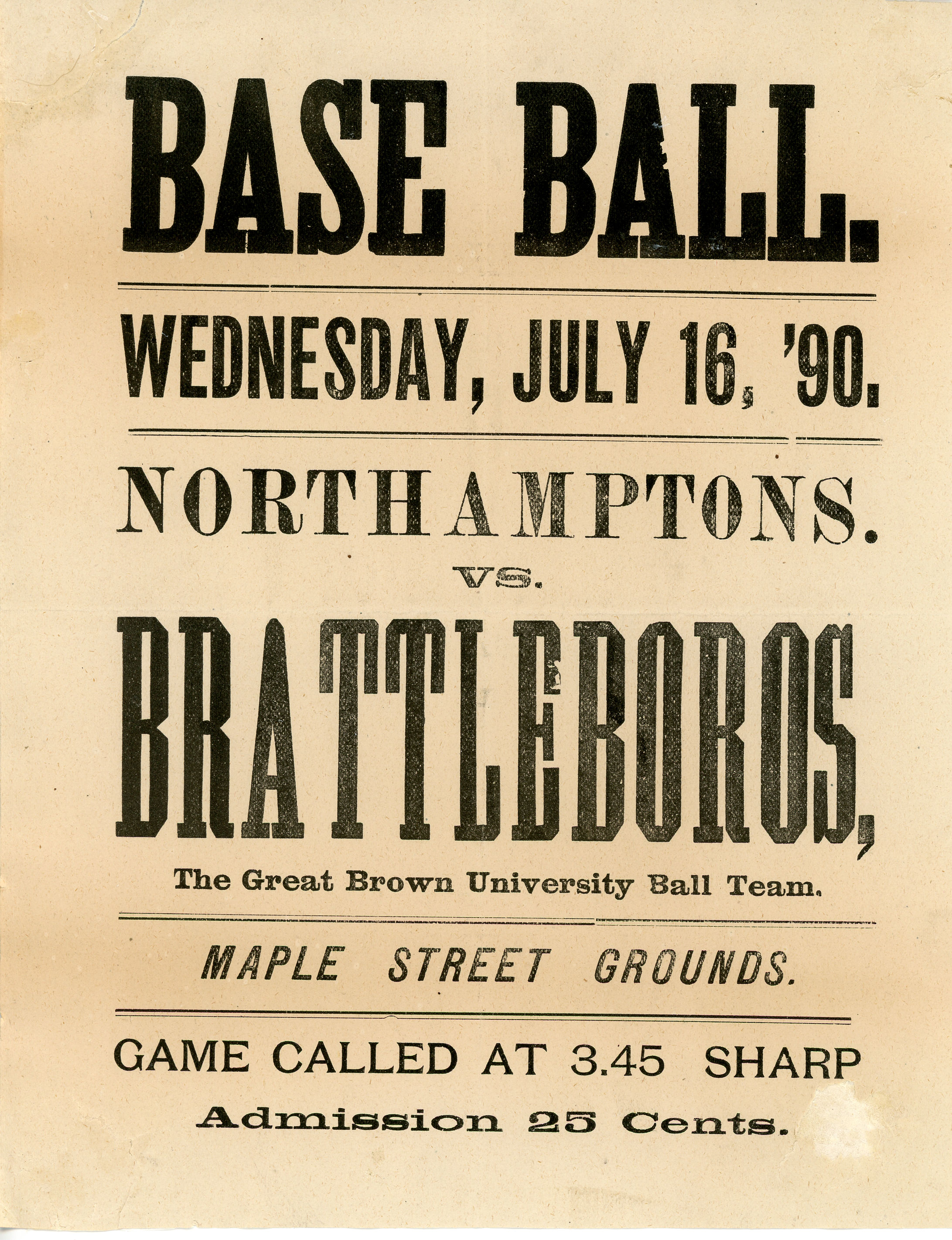
In 1885, the Hampshire County Journal counted more than 75 teams in Northampton, though none stirred the interest that the Florence Eagles had. In the late 1880s interest in a “town team” to represent the city began to grow, a role fulfilled for a time by the “Northampton Firemen.” Later a team called simply the “Northamptons” struggled against better-financed rivals, Brattleboro in particular.
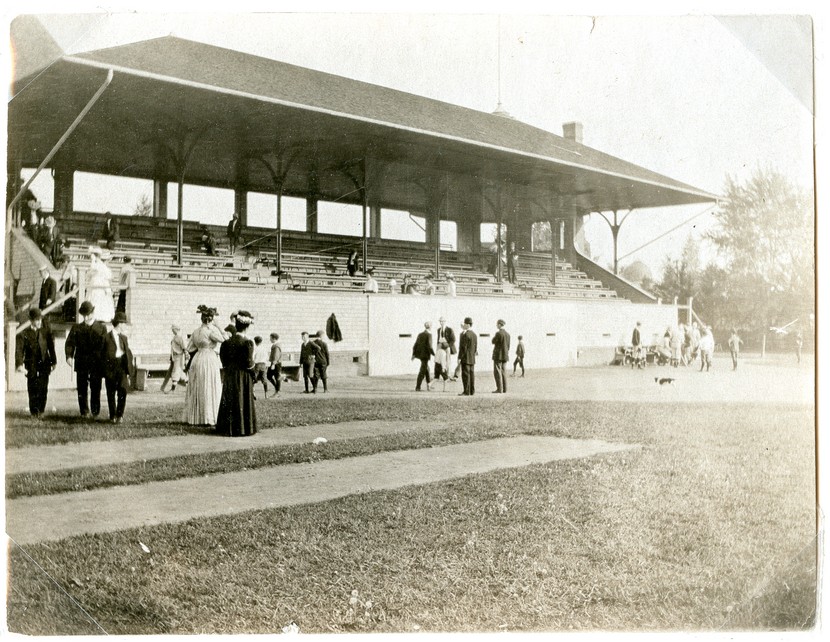
Several factors coincided in 1891 to bring about a winning team. Northampton built an enclosed ball field in the new Driving Park, a racecourse for trotters at the fairgrounds that could double as a baseball diamond. The city’s two daily papers, the Daily Hampshire Gazette and the Northampton Herald, stimulated interest in fielding a winning team. Citizens were encouraged to subscribe by buying “stock.” The Northampton team used the subscription money to raid rival Brattleboro’s personnel, many of whom were from the Brown University squad. Paid “ringers,” professional players who pose as amauteurs, were common. Although the college men were regarded as “amateurs,” they were on salary, and money they received was considered “financial aid.”
The Northampton teams of the early 1890s were independent and scheduled opponents as circumstances dictated. They likewise improvised “championship” matches, often against Brattleboro or Holyoke teams. The Northamptons faced many former and future big-league stars with local connections, such as pitcher “Smiling Mickey” Welch and second baseman Tommy “Buttermilk” Dowd of Holyoke. Another fan favorite was the touring African-American team known as the Cuban Giants, a lineup that included such great players as pitcher George Washington Stover and infielder/pitcher Bud Fowler. Fowler is sometimes said to be the first African American on an otherwise all-white team, though his 1872 appearance postdates that of Luther Askin.
Operating an independent team was fraught with difficulties. Managers were frequently dismissed in midseason, games were canceled without warning, purses were withheld, players jumped teams, and many teams ran out of money. Northampton sought to recoup its losses by playing National League teams. Bringing in the big leaguers was risky, since the pros demanded a guarantee, but by raising admission to 50 cents—more than $17 today—and with as many as 2,000 fans turning out, the Northampton independent baseball club survived.
The World Champion Boston Beaneaters (precursors of the Boston Braves) beat Northampton in two close games in 1892 and 1893 before large crowds at the Driving Park. In 1893, Northampton also played the National League Louisville Colonels and beat the St. Louis Browns.
Among the Northamptons who went on to major-league careers were Fred Tenney (Boston Beaneaters and New York Giants), James H. Bannon (Browns and Boston), Yale Murphy (Giants) and Marty Bergen (Boston). Other players who made briefer appearances in the majors were Cyclone Ryan, Con Murphy, Billy Gannon, Fred Woodcock, and Frank Sexton. The rest of the Northamptons were baseball journeymen, including Captain H. E. Slater (who eventually settled in Northampton), and local favorites, Bay State’s Ted Eagan and Florence’s Jack Carr.
From 1891 to 1893, the Northamptons played over 130 games, winning twice as many as they lost. When the Northamptons disbanded in 1893, the Boston Globe bade farewell to a “great team.”
1904–1905—Independent Baseball Revival
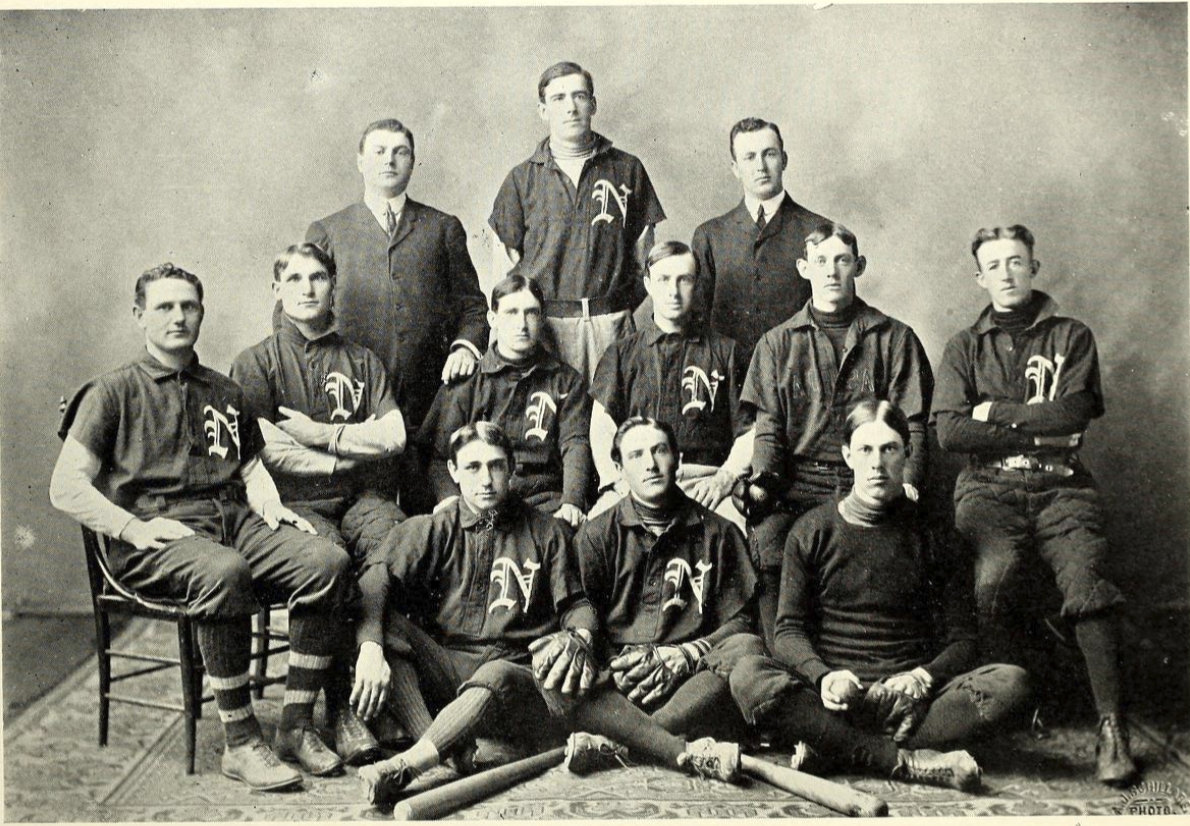
In 1904, William Kiely, a printer with the Northampton Daily Herald, organized a team as good as any in the city’s history. Starring John Wesley Coombs of Colby College, the Northamptons won 41 games, lost 21, and vied with Greenfield in a “championship” series that was decided in Greenfield’s favor by one game. Coombs won 20 games for Northampton, striking out as many as 16 players a game.
Coombs, nicknamed “Colby Jack,” was arguably the most gifted ball player to wear a Northampton uniform. Coombs went on to play in the Major Leagues for the Philadelphia Athletics and Brooklyn Dodgers. During his 1906 rookie year, he set the record for most strikeouts in a game by a rookie: 19 (a mark that stood until 1998). During his career, he helped his teams win five world series games. He later coached the Duke University team to national championships and wrote a highly regarded book on baseball strategy.
In 1905, Kiely fielded one more independent Northampton team. In spite of a 12–6 record, the Northamptons disbanded that July. Kiely returned to his printing business with the Herald.
1909–1915—The Connecticut League and Twin State League
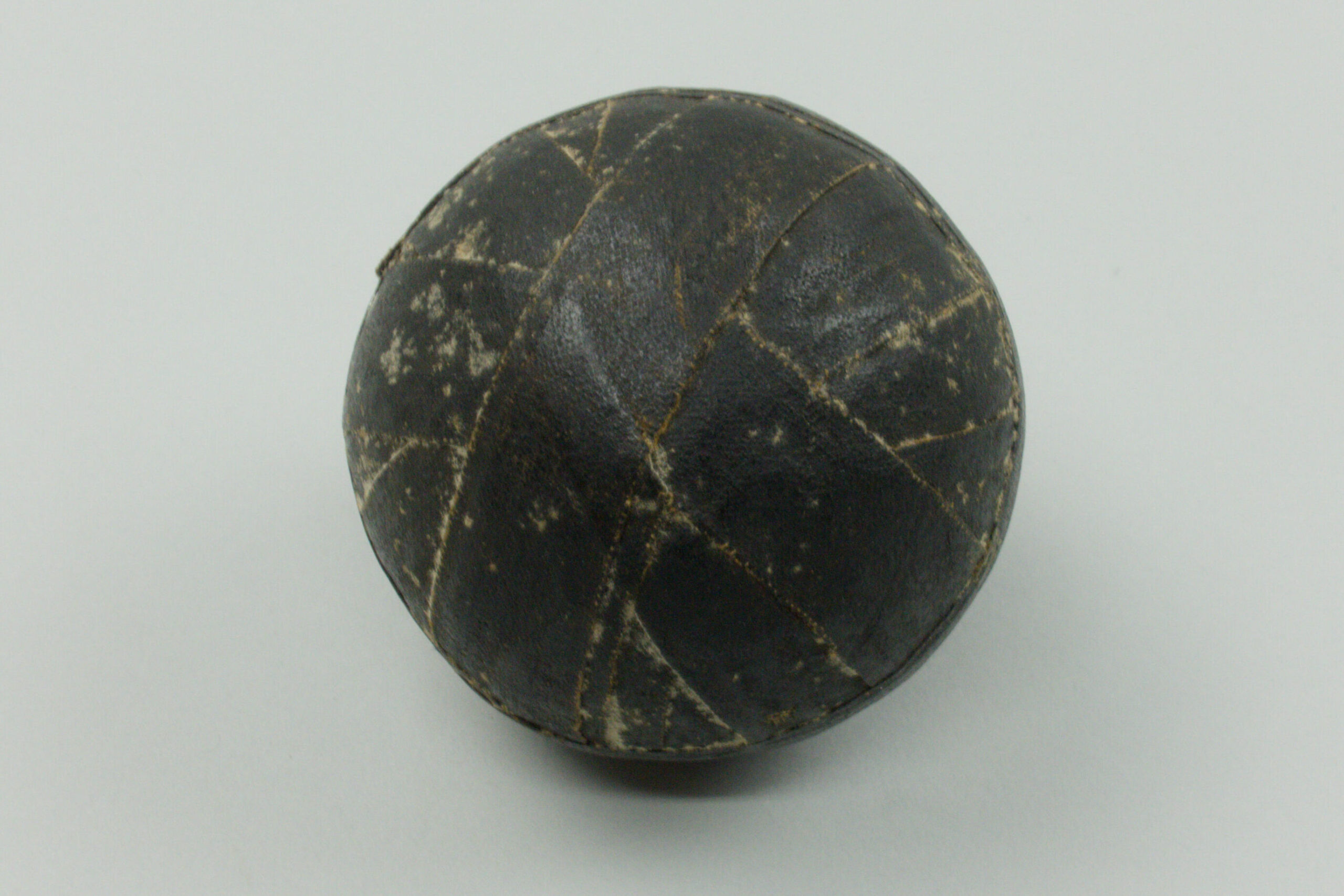
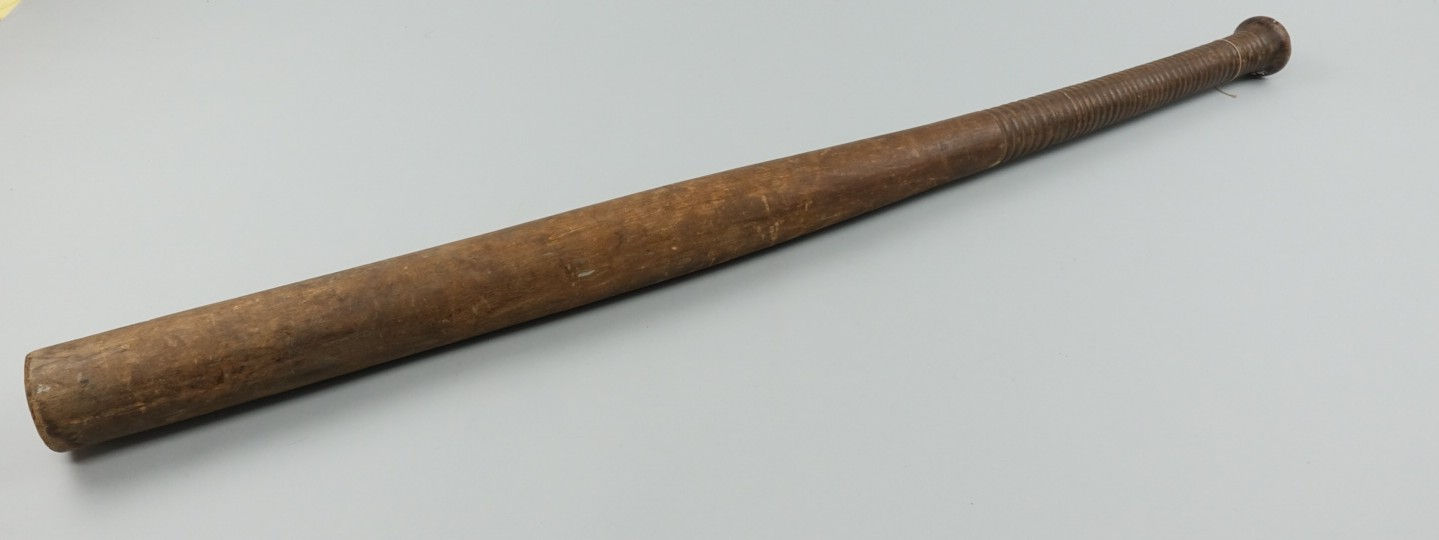
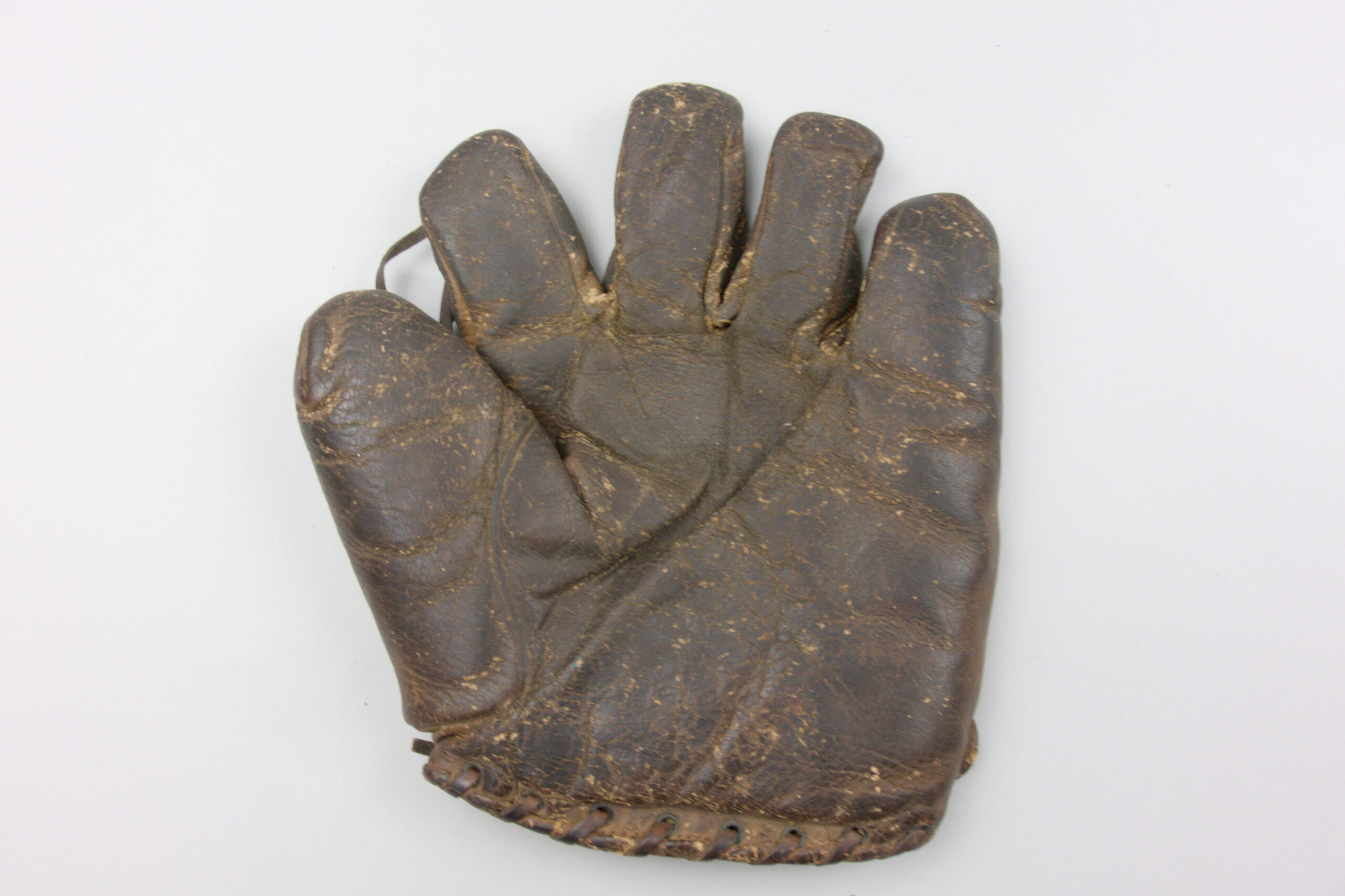
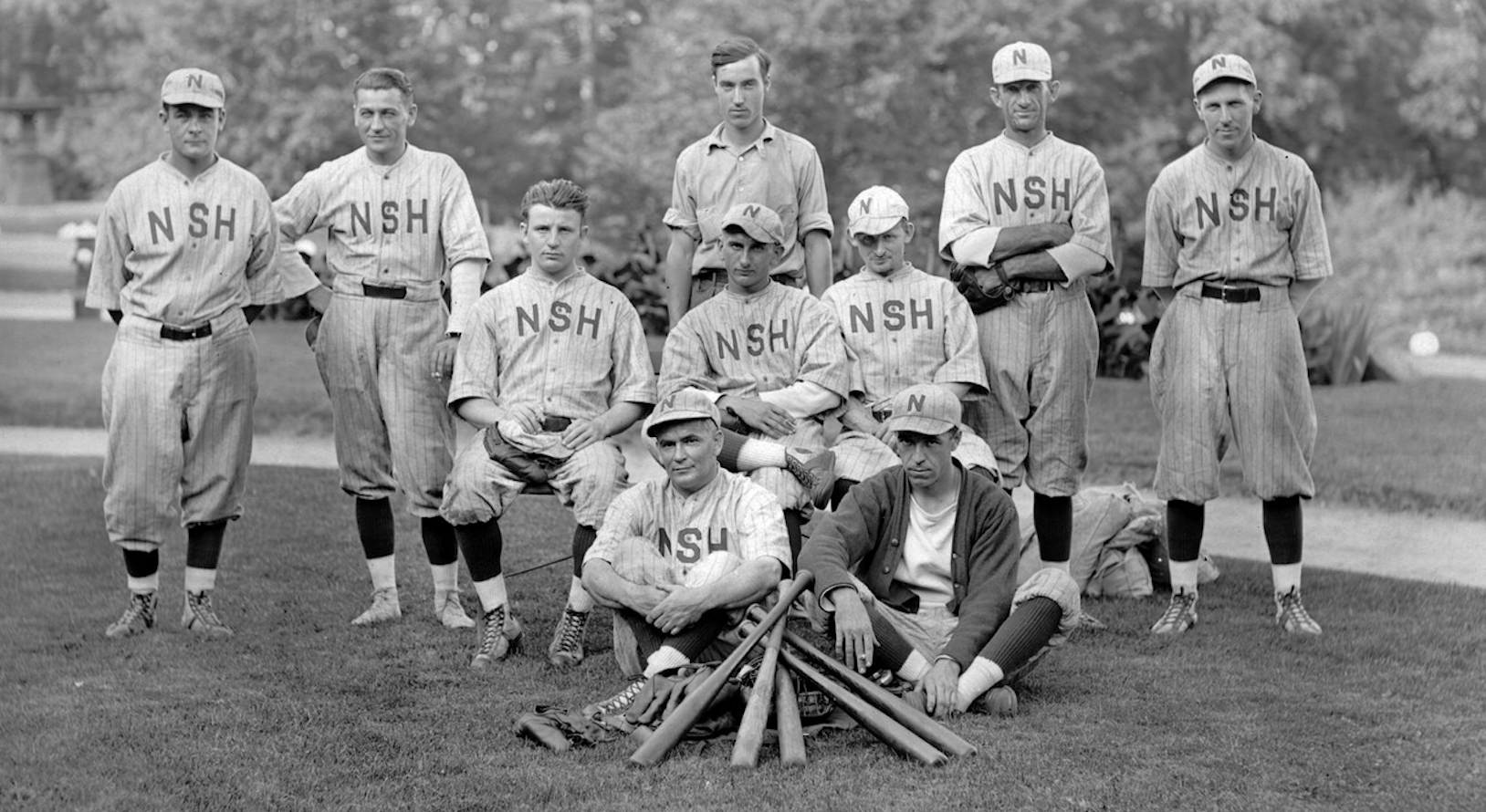
Minor-league baseball made its Northampton debut in 1909. Gil Edwards, owner of the Lyric Theater, and Goldie Bowler, a former pitcher for the Springfield Ponies, purchased the Meriden club of the Connecticut League for $2,000 and moved operations to Northampton, renaming the club the Northampton Meadowlarks.
After renovating the Driving Park and moving home plate closer to the grandstand, the Meadowlarks played a 112-game season. With Bowler as manager, the team finished seventh in an eight-team league. The Larks barely survived financially. Blue laws deterred playing on Sundays. Although the law was widely ignored, most games were held during the day, when most fans were at work. On holidays and Saturdays, large crowds crammed into a trolley with its sign, “Base Ball Today.” General admission was 25 cents, children paid 10 cents, and it cost extra to sit in the covered grandstand. Local fan favorites included Bill Yale, Jimmy Burns, Ira Plank (brother of MLB’s Eddie Plank), “Tacks” DeLave, and “Steamer” Flanagan.
In 1910, first baseman Bill Luby replaced Bowler as manager, but the Meadowlarks finished seventh again. In June 1911, the Connecticut League ejected the Northampton and Holyoke clubs for “failure to pay their debts.” Northampton players went home unpaid or were recruited onto other teams.
A few of the 1909–1911 Larks went on to play in the major leagues, most notably “Buck” Weaver (Chicago White Sox), who achieved stardom as an infielder. Weaver ended his career in infamy as a member of the 1919 Black Sox scandal said to have “thrown” the World Series at the behest of gamblers. Weaver and his co-conspirators were banned from baseball for life.
Over the winter of 1911–1912, the Northampton Baseball Association solicited subscriptions (including $2 from Calvin Coolidge) and the Meadowlarks joined the Twin State League (TSL). The TSL was not considered “official,” as it hadn’t signed the National Agreement that placed the minor leagues under major league control. Nonetheless, several major-league clubs sent injured or slumping players to Twin State League teams and recalled them at will.
The TSL operated from late June to early September, a truncated schedule sometimes referred to as the “short season” minors. This suited college players looking to impress scouts. Colleges no longer allowed players to be paid, so players used pseudonyms. During a close pennant race, much energy was expended in unmasking ringers. Before a game, umpires called out the names of banned players.
Luby, manager from the Connecticut League era, easily led the Meadowlarks to the Twin State pennant in 1912. In 1913, shortstop Jimmy Burns took over as a player-manager, and the Meadowlarks repeated as champions, edging out Greenfield at the season’s end. Northampton displayed its pride in these victorious seasons with opening-day parades and midseason pennant-raising ceremonies.
A racially charged incident took place on August 28, 1913. The Bellows Falls team hired Frank Wickware, a great African-American pitcher of his day, to face Northampton. Manager Burns refused to let the Meadowlarks take the field against Wickware, citing the “color line” in the major leagues. This move provoked much criticism regionally and intensified pre-existing rancor between Bellows Falls and Northampton.
MiLB rosters often turn over rapidly. In 1914, the Larks fell to last place. During the winter of 1914–15, the directors of the TSL, acting upon the complaints of Bellows Falls, issued an ultimatum that Northampton must pay a $1,000 guarantee, a burden for teams whose finances were shaky. Both Northampton and Greenfield dropped out, and the Twin State League suspended operations shortly thereafter.
1920s—The Florence Braves
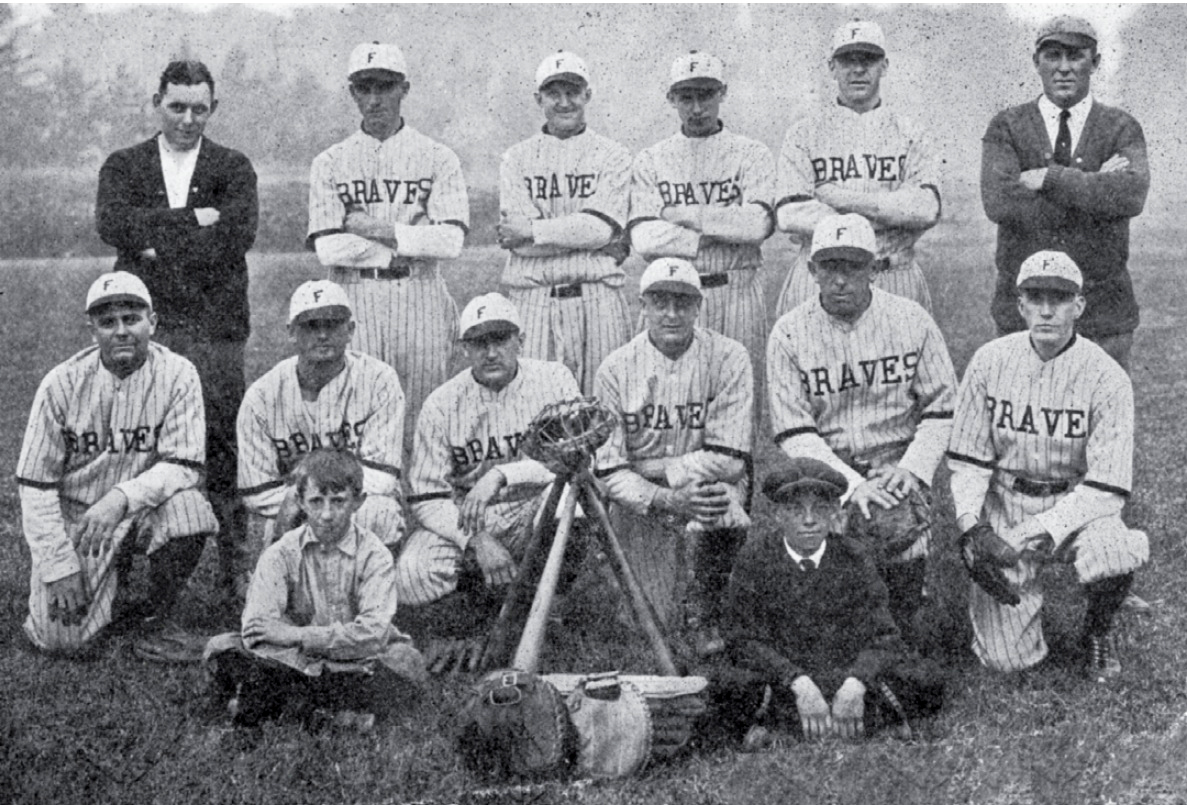
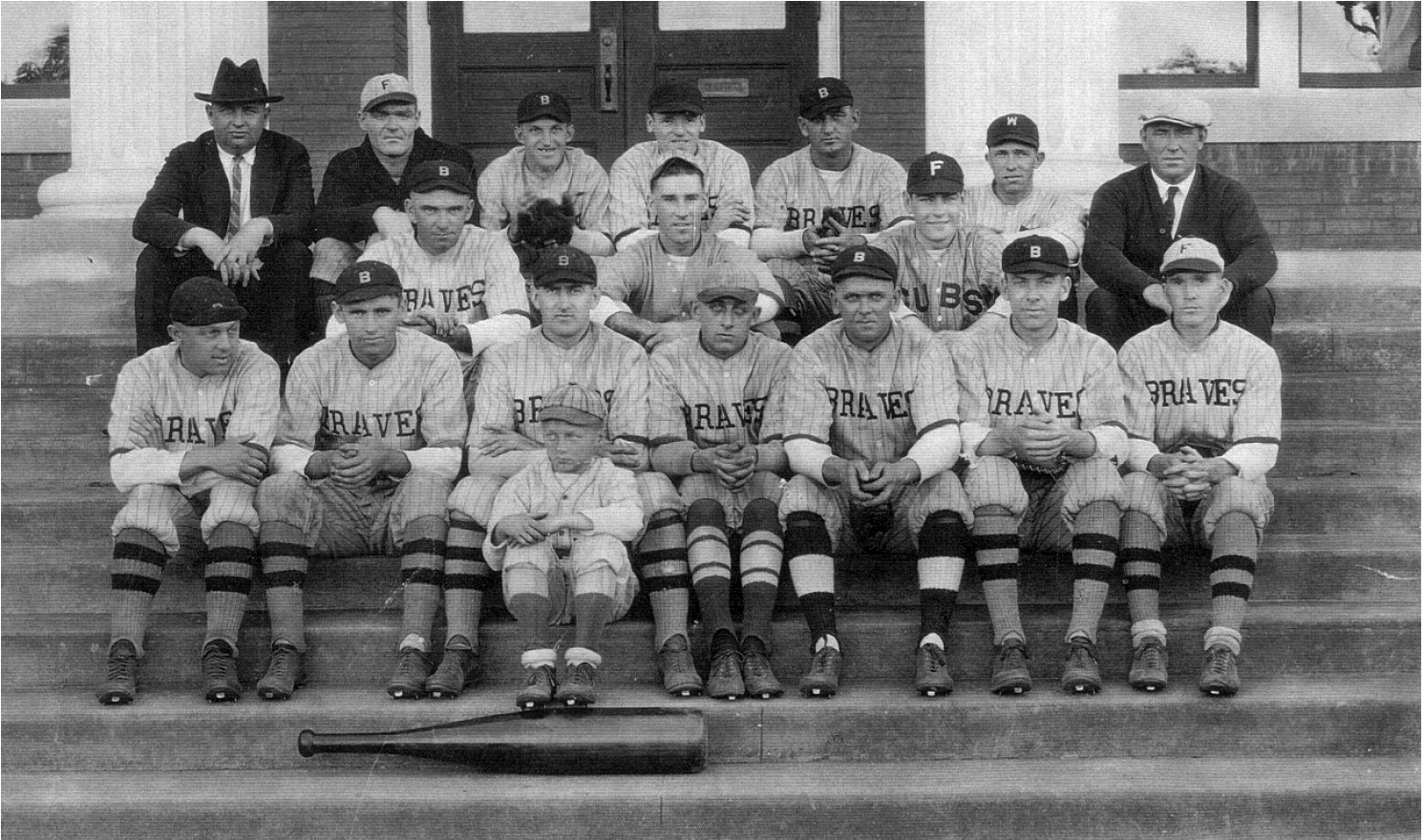
The Florence Braves were the town team for Northampton during the 1920s. The manager was Dave Shea of Florence, a veteran MiLB catcher. After Driving Park fell into disrepair, the Braves played on a field at Smith Vocational School. No admission was charged and players passed the hat to collect donations.
In their earliest form, the Braves were an independent club that often operated as a semi-pro team. In 1926, the Braves joined the Franklin-Hampshire League consisting of clubs from Shelburne Falls (managed by future Hall of Fame pitcher Jack Chesbro from North Adams), Turners Falls, Millers Falls, Greenfield, and South Deerfield. For eight full seasons from May to September, the Braves played two to three games a week, approximately 50 games a year, and usually won more than they lost.
The Braves supplemented the league games with matches against barnstorming (traveling) teams. The biggest and most lucrative crowds turned out to see Chappie Johnson’s All Stars, a squad of African-American players. The Florence Braves proved to be worthy opponents, and the All Stars reciprocated by inviting the Braves to Saratoga, NY. The games there attracted as many as 9,000 fans, including many African Americans who cheered for the Braves. As collegial as relations were between the clubs, however, local baseball followed the example of the major leagues and remained segregated.
For most of their existence, the Braves fielded local players, but occasionally hired pitchers from Springfield or Holyoke, a strain on the club’s finances. During the off-season, players staged dances to raise money. Most players worked full-time jobs in the local mills.
Among the best hitters on the Braves were Larry Coughlin, Austin King (later a city councilor), and Harry Purcell, a minor leaguer. Two mainstays were Matty and Jimmy Ryan, brothers from Florence. For many years Matty Ryan was the team’s leading pitcher and Jimmy Ryan played third.
1931–1948—The Royal Arcanums
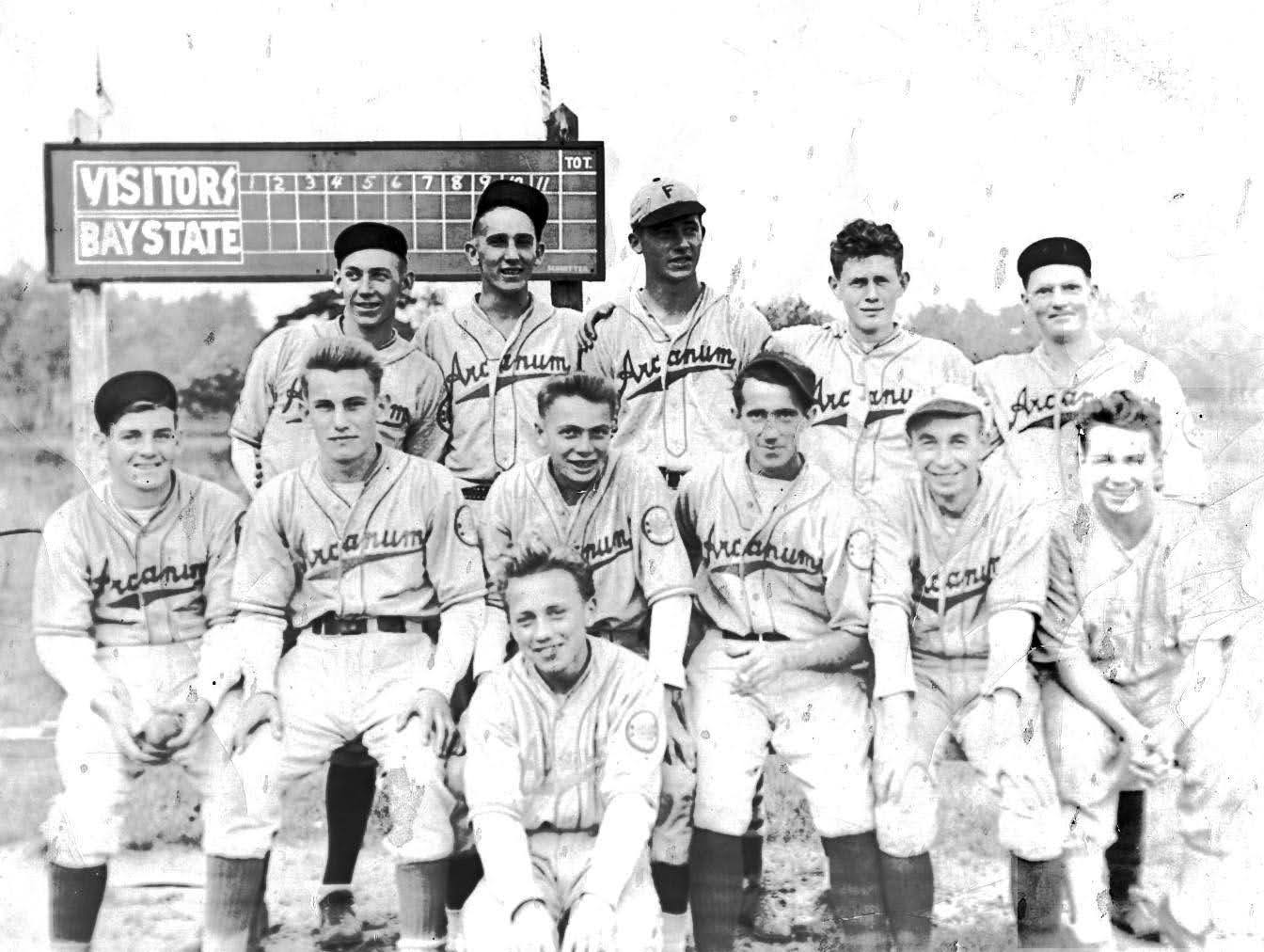
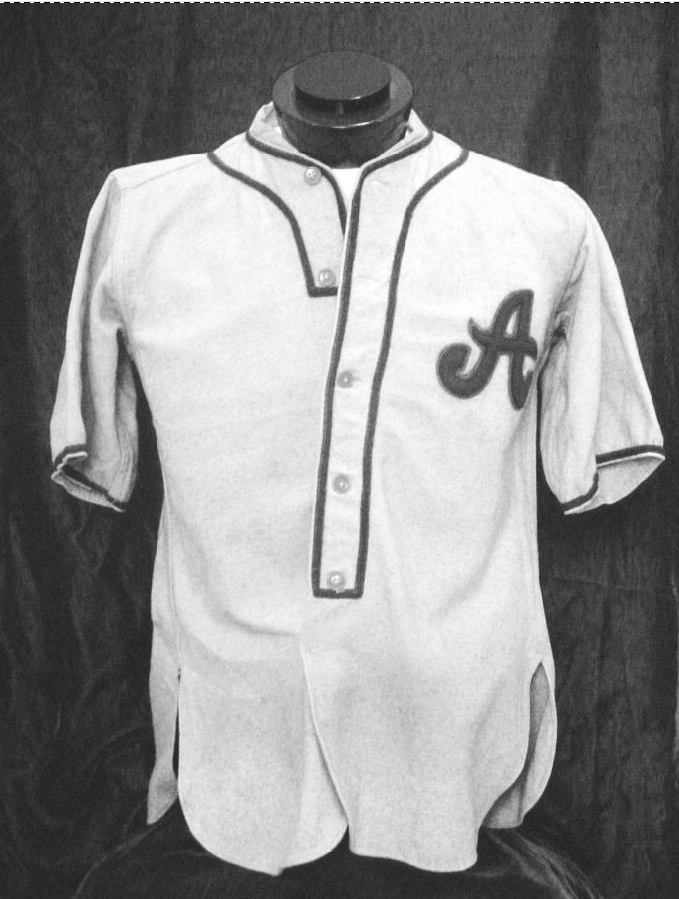
The Royal Arcanum Society, a fraternal organization, provided insurance and death benefits to its members. During a subscription drive for the Florence chapter, a cash incentive was offered to the person who recruited the most members. Florence ball players, led by Vic Christenson, won the award and used the money to buy uniforms. The Royal Arcanum Society agreed to sponsor the team, and the Arcanum club was born.
Of all the clubs in Florence, the “Arcs” lasted longest, from 1931 to 1948. Although the Arcs of the 1930s were regarded as semi-professionals, the players were never paid. Donations went to buy equipment, uniforms, and to retire the mortgage on the team’s home grounds, Arcanum Field. Only players who lived in the Northampton area could play for the Arcs. Many were college players home from school for the summers. Others worked full time and played ball on their time off.
The Arcanums scheduled up to 65 games a season against local clubs such as the Bay State Bombers and clubs from Hatfield, Williamsburg, Hadley, Westfield, Athol, Ware, Orange, Holyoke, and Springfield. The Arcs also took on barnstorming teams such as the Philadelphia Colored Giants, the Schenectady Mohawk Giants, and the Ethiopian Clowns (later the Indianapolis Clowns). One fundraising event required that the Arcs play ball while riding donkeys, a mercifully brief game of two innings. They rarely had a losing season.
Unlike other Northampton ball clubs, which used any public playing field available, the Arcs decided to create their own. A lot used to grow potatoes at the corner of North Maple St. and Bridge Road was owned by George Parsons of Hartford, CT. Parsons agreed to allow the team to use the land, and over the next several years the Arcs raised money to purchase the property, mostly by passing the hat at games and holding weekly card games. The card games usually ended with dancing to player Russ Christenson’s three-piece combo.
The Arcs purchased most of the land that today makes up Arcanum Field. Over the years the Arcs improved the facility, building bleachers, wire fences, and a field house. With the dissolution of the association in 1956, the property was sold to the city of Northampton for $1. In 1973, what money remained in the association’s account was spent on a flagpole, with a stone at its base in memory of deceased players.
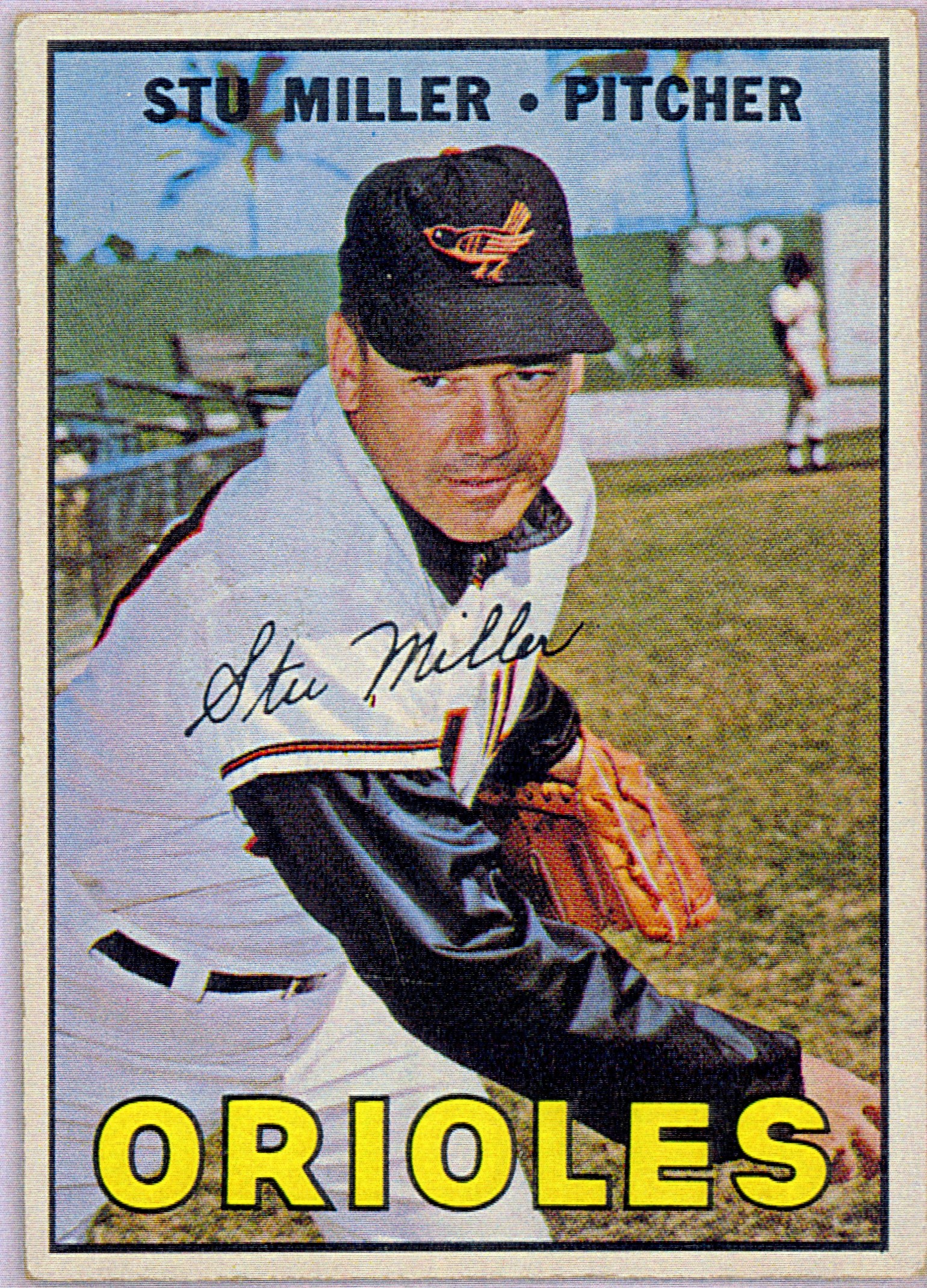
Stu Miller, Major Leaguer
By far, Northampton’s most famous baseball product was Stuart Leonard “Stu” Miller, a major league pitcher from 1952 to 1968.
Born in 1927, Miller grew up playing in the Gazette Sandlot League and in his early teens for the Bridge Street “Orphans,” so-called because they had no home field. By the time he was in high school, he was playing for the Young Men’s Club. He did not stand out as a pitcher nor did he play for the high school team. With the start of World War II, “Stub,” as he was known then, left school to join the U.S. Navy.
While serving at the Norfolk Navy Station, he was observed playing ball by Mike Ryba, who had pitched for the St. Louis Cardinals and Boston Red Sox. Ryba evidently saw some promise there because in 1948, after Miller returned home from the Navy, the St. Louis Cardinals conducted a summer baseball “school” in Northampton and invited Miller. Stu was signed by the Cardinals and sent to their farm team in Salisbury, MD. In mid-season 1952, Miller was called up to the Cardinals, where Ryba was a coach.
Miller won his first three games and ended the season 6-3, good enough to be brought back. He remained in the National League until 1963, when he joined the Baltimore Orioles. He stayed with the Orioles through 1967, ending his career with the Atlanta Braves in 1968. Miller’s career stats were respectable: a won-loss record of 105-103, and an earned run average of 3.24. His 154 saves as a reliever ranked him among the all-time career save leaders of his day.
Miller was said to have three pitches: slow, slower, and reverse. His forte was the movement of the ball. He was called a “junk ball” pitcher, a label he rejected since he threw only fastballs, curveballs, and sliders. But, he threw them both overhead and sidearm, varied their speed and location, and often flummoxed batters geared to hitting faster pitches. An often-repeated tale is that Miller was blown off the mound during the 1961 All-Star Game in San Francisco’s notoriously windy Candlestick Park. In truth, a sudden gust of wind forced him to stop his windup and step off the mound, thereby committing a balk.
In 1999, as the millennium drew near, the Gazette counted down the top 100 Northampton athletes; Stu Miller was named Athlete of the Century. He died in California at the age of 87 on January 4, 2015.
RESOURCES
Baker, Kevin. The New York Game: Baseball and the Rise of a New City. Knopf, 2024.
Turner, Brian and John S. Bowman. The Hurrah Game: Baseball in Northampton, 1823-1953. Historic Northampton, 2002.
A book that was the basis for an exhibit of the same title at Historic Northampton that year. Turner and Bowman put out a revised edition in 2011. They spent time talking with elders in Northampton who recalled baseball tales, especially Victor Christenson and James “Jim” E. Ryan, both of whom have since passed away.
Ward, Geoffrey C. and Ken Burns. Baseball: An Illustrated History. Knopf Doubleday Publishing Group, 1994.
In addition to Northampton’s storied baseball history, softball has been an important locus for Northampton’s lesbian community since the 1970s. For more information on lesbian and feminist softball history in Northampton, see:
- Johnston, Lacey. In League With Us: The Story Of The Mary Vazquez Women’s Softball League. Documentary, 2008.
- Mary Vazquez Women’s Softball League. “About the League.”
- Raymond, Kaymarion. “A Spontaneous Outbreak of Wimmin’s Softball.” From Wicked to Wedded Blog, April 2, 2018.