Northampton’s Ties to Slavery
The economy of New England depended on connections to the slave trade, while enslaved people boosted the New England economy. And they were a commodity themselves.
Trade with the Caribbean
Northampton, in common with other New England towns, supported the Atlantic system of slavery by buying and using the labor of enslaved people, before and after slavery’s 1783 abolition in Massachusetts. Goods made here also sustained slavery in the Caribbean, where nearly all the land was used for growing the valuable commercial crop of sugar. By the mid-1700s, Connecticut Valley farmers were shipping surplus wheat and beef, raised in part using enslaved labor, through Connecticut ports and Boston to Caribbean plantations. These commodities fed the enslavers and overseers while enslaved people received meager or spoiled rations. Goods produced by enslaved people in the Caribbean—sugar, molasses, and rum—as well American slave-produced goods—cotton, indigo and rice from the South—were sold here in Northampton.
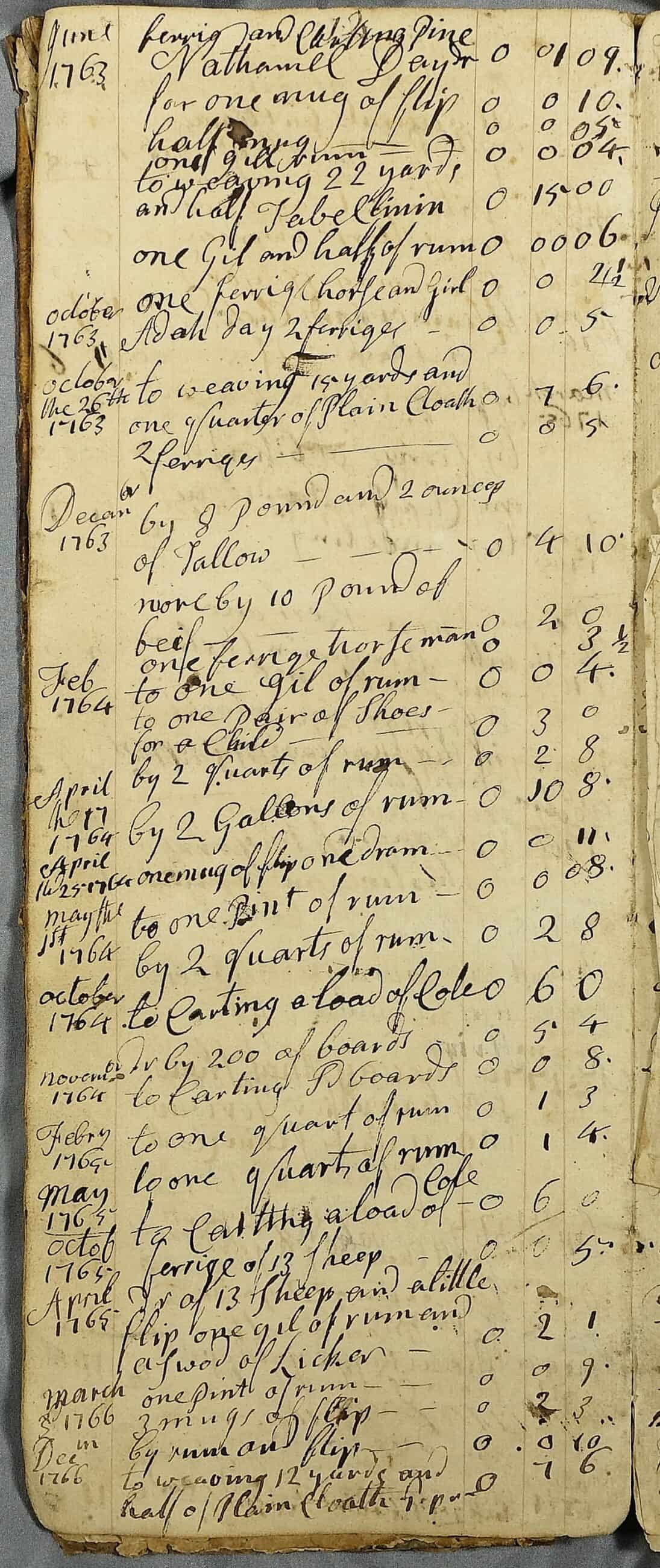
Ezra Clark’s Account Book reveals the massive quantities of rum Northampton consumed in the 1700s. During this period, sugar, the raw material to make rum, was raised in West Indies plantations. Enslaved people were forced to harvest and process the sugar into molasses, which was then shipped to New England ports such as Boston and Newport. In those cities, rum was distilled from the molasses and distributed to towns, including Northampton.
Image: Page from Ezra Clark’s Account Book. Historic Northampton (ID no. A.A.17.002)
Fabrics from Southern Plantations
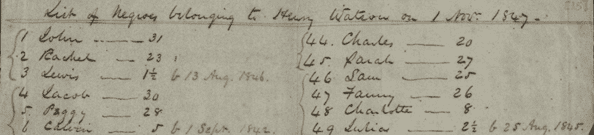
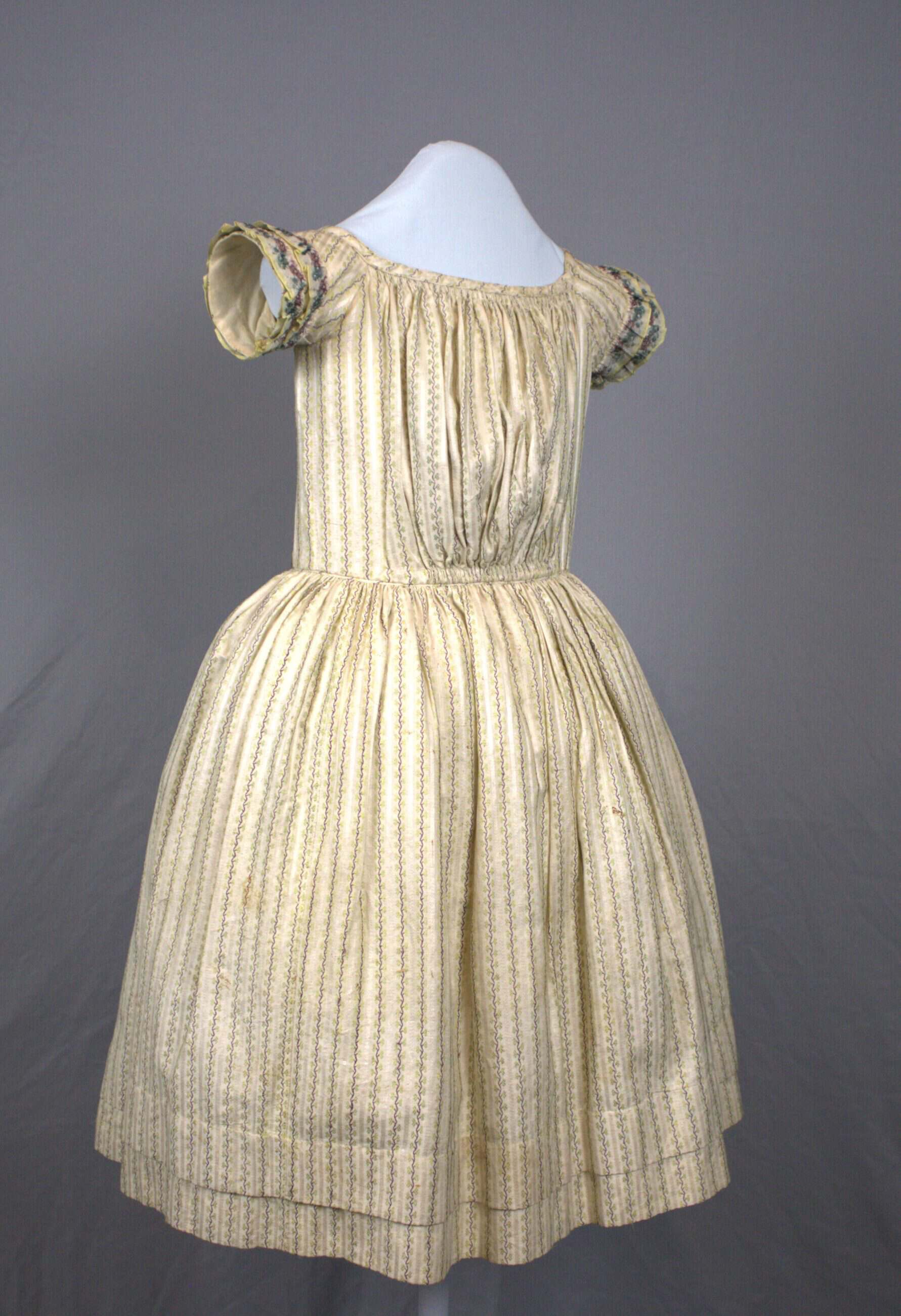
Northampton factories produced cloth from cotton harvested by enslaved people on Southern plantations. Northampton residents used the fabric to make much of their clothing. Not only was this dress made of Southern cotton, but it also was likely constructed by an enslaved seamstress about 1855. The dress belonged to the Watsons, a Southern slave-owning family who moved to Northampton in the 1860s from Alabama. It features blue stripes and trim dyed with indigo, another crop cultivated by enslaved people in the Carolinas and West Indies.
Image: Silk and cotton dress owned by the Watson family, c. 1855. Historic Northampton (ID no. 164.18)
Making a Profit off of Enslaved Labor
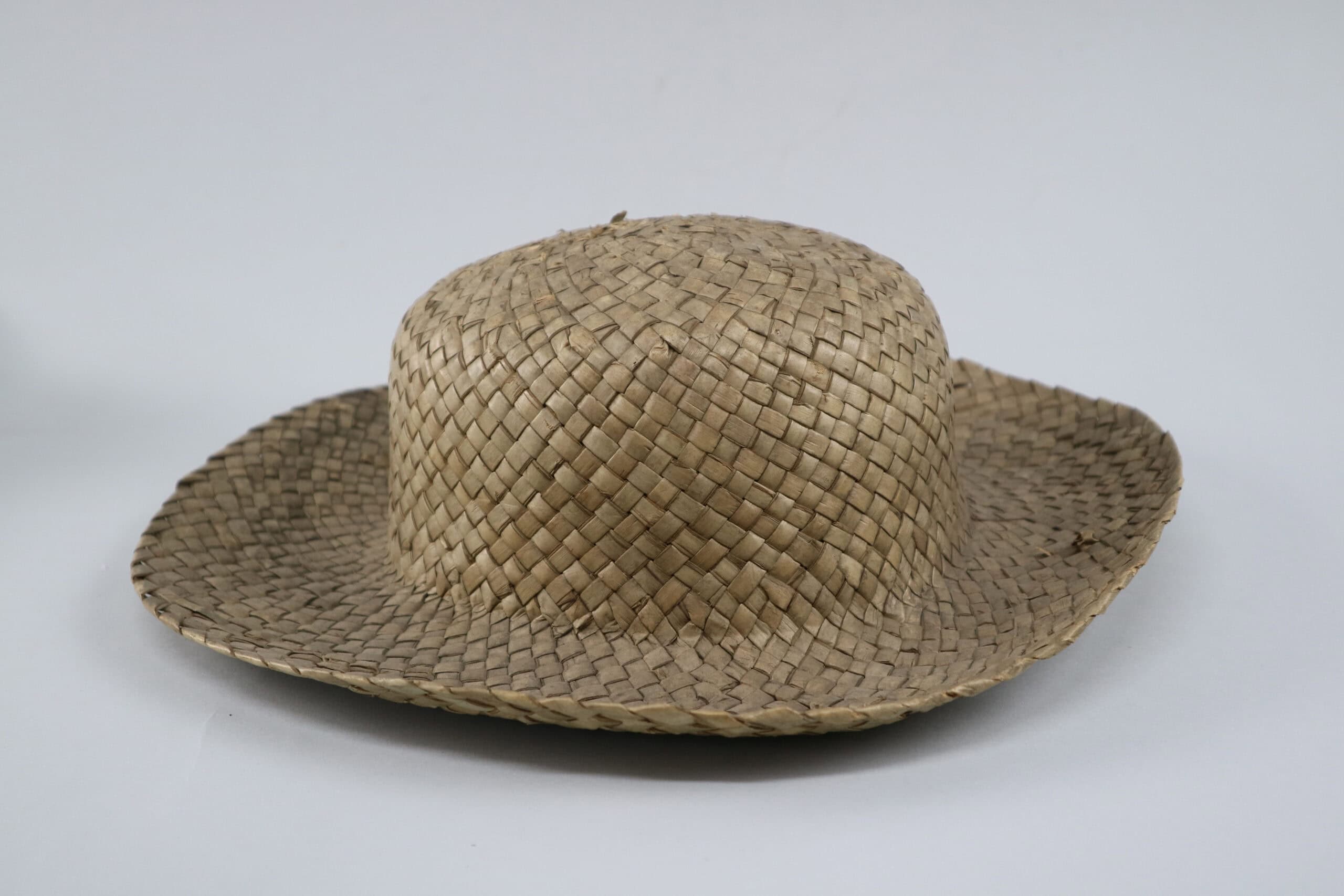
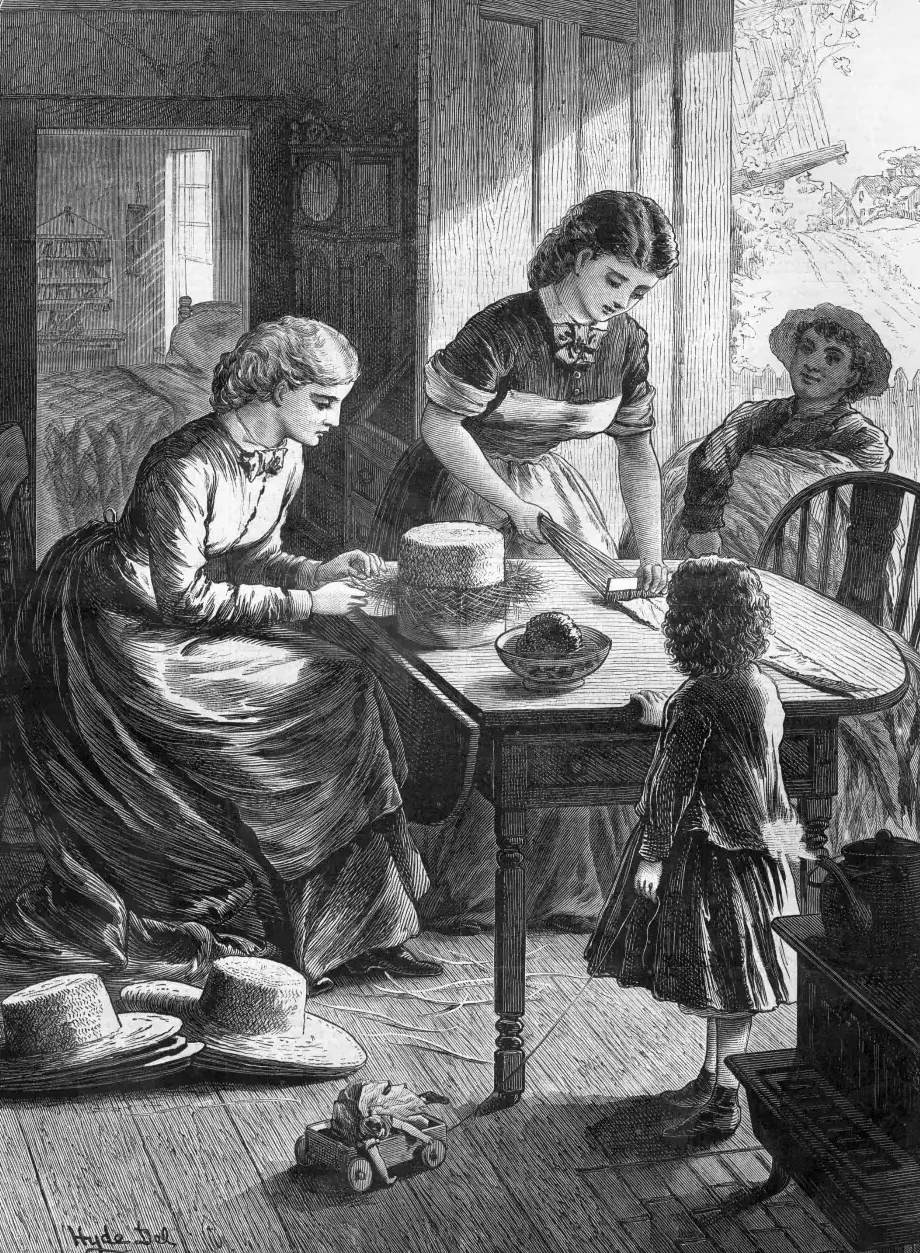
This palm leaf hat was likely made by a local white woman to be shipped down to a Southern plantations and worn by an enslaved person. White women in and around Northampton participated in a system in which they made the hats at home. They picked up the palm leaves (shipped from Cuba and Southern sources) at a local store and returned the finished goods there, making extra income for the family.
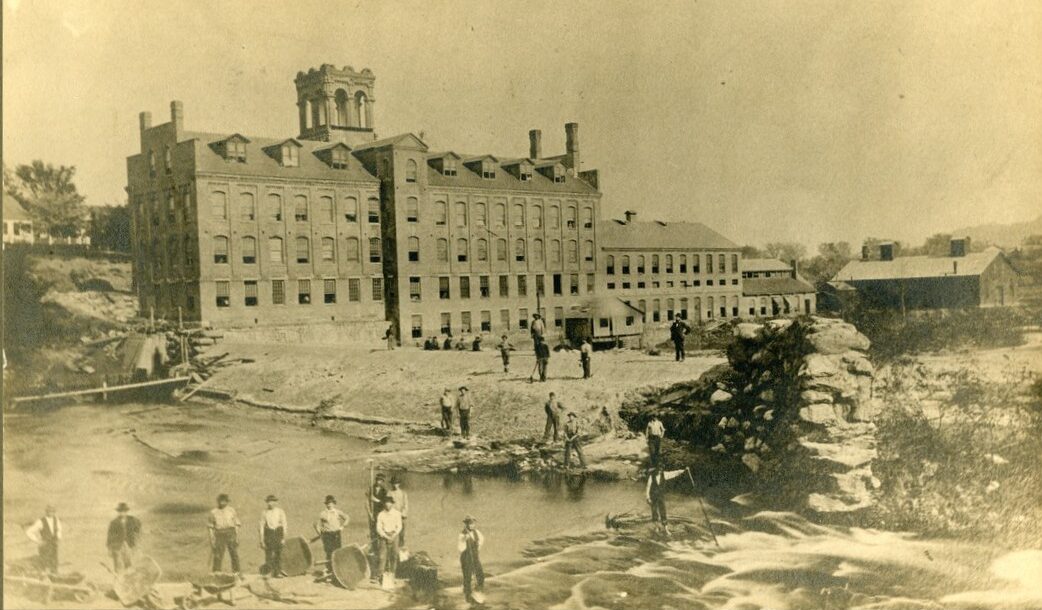
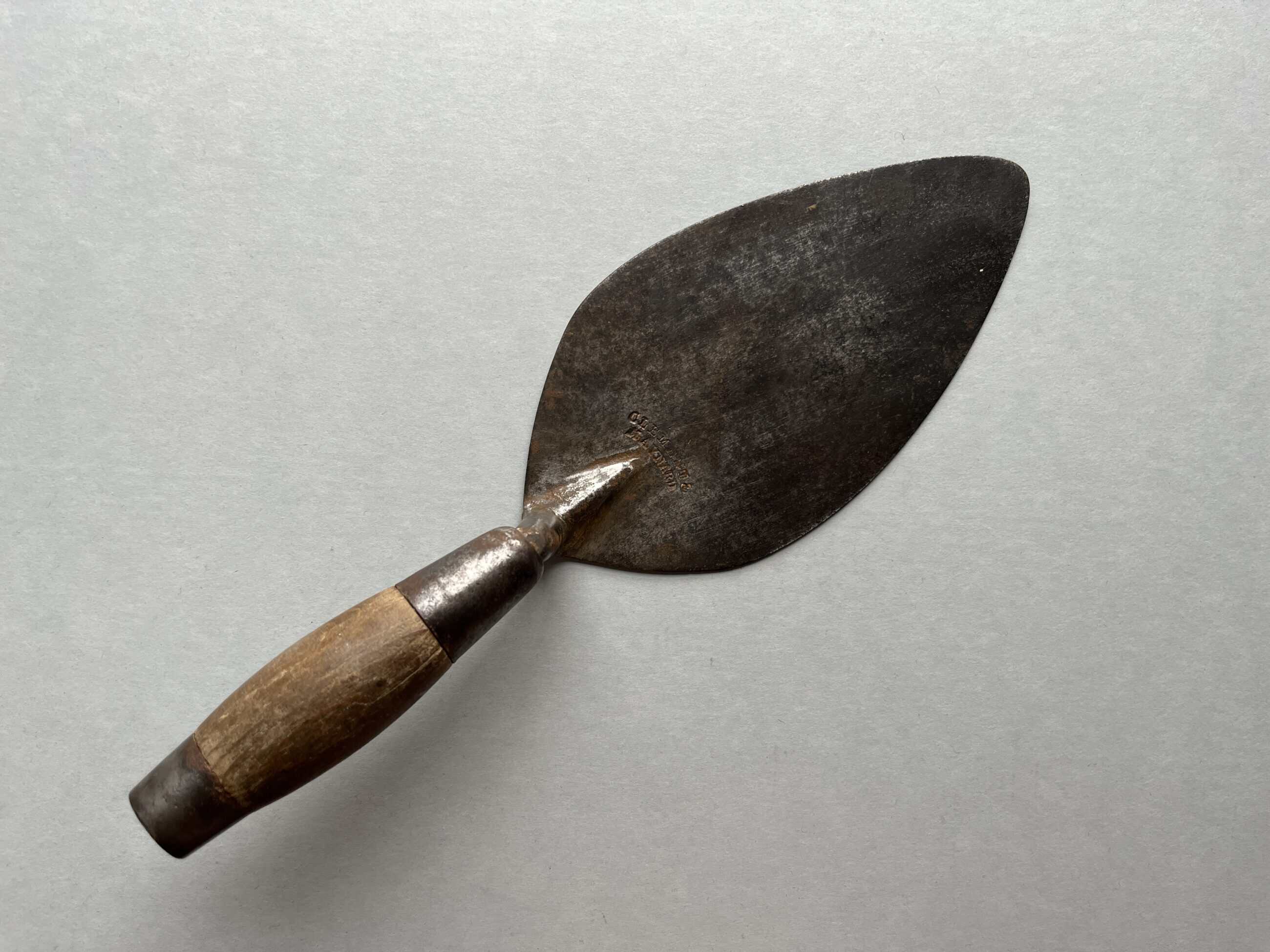
Northampton was home to the Bay State Tool Manufacturing Company, later called the Maynard Hoe Shop. The factory produced plantation hoes, and other farming tools for use by enslaved people on Southern plantations. This trowel was produced after the national abolition of slavery, when the company had transitioned to producing tools for the local farming market.
Top image: Illustration “The Idyll of the Palm Leaf Hat,” in Frank Leslie’s Illustrated Newspaper, July 15, 1871, p. 293.