Fire Houses
The Role of Firehouses in Community Life: A History of Northampton’s Fire Stations
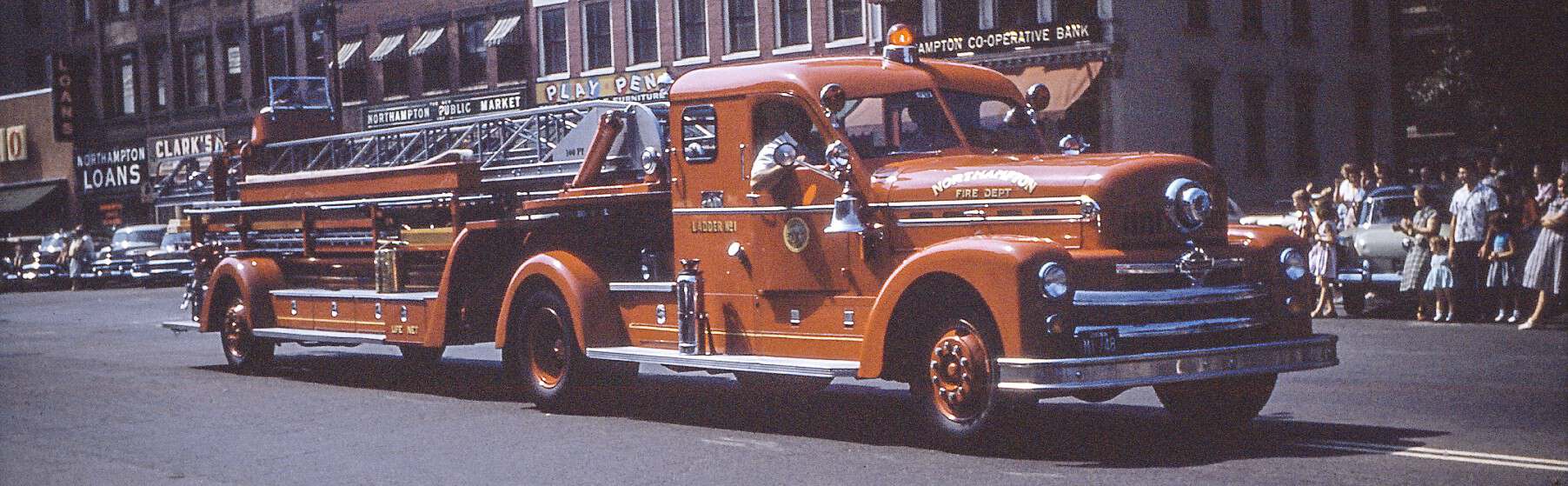
Firehouses have always been more than just a base of operations for firefighters; they are also hubs of community safety, pride, and camaraderie. The evolution of Northampton’s fire stations reflects both the city’s growth and the enduring connection between the fire department and its residents.
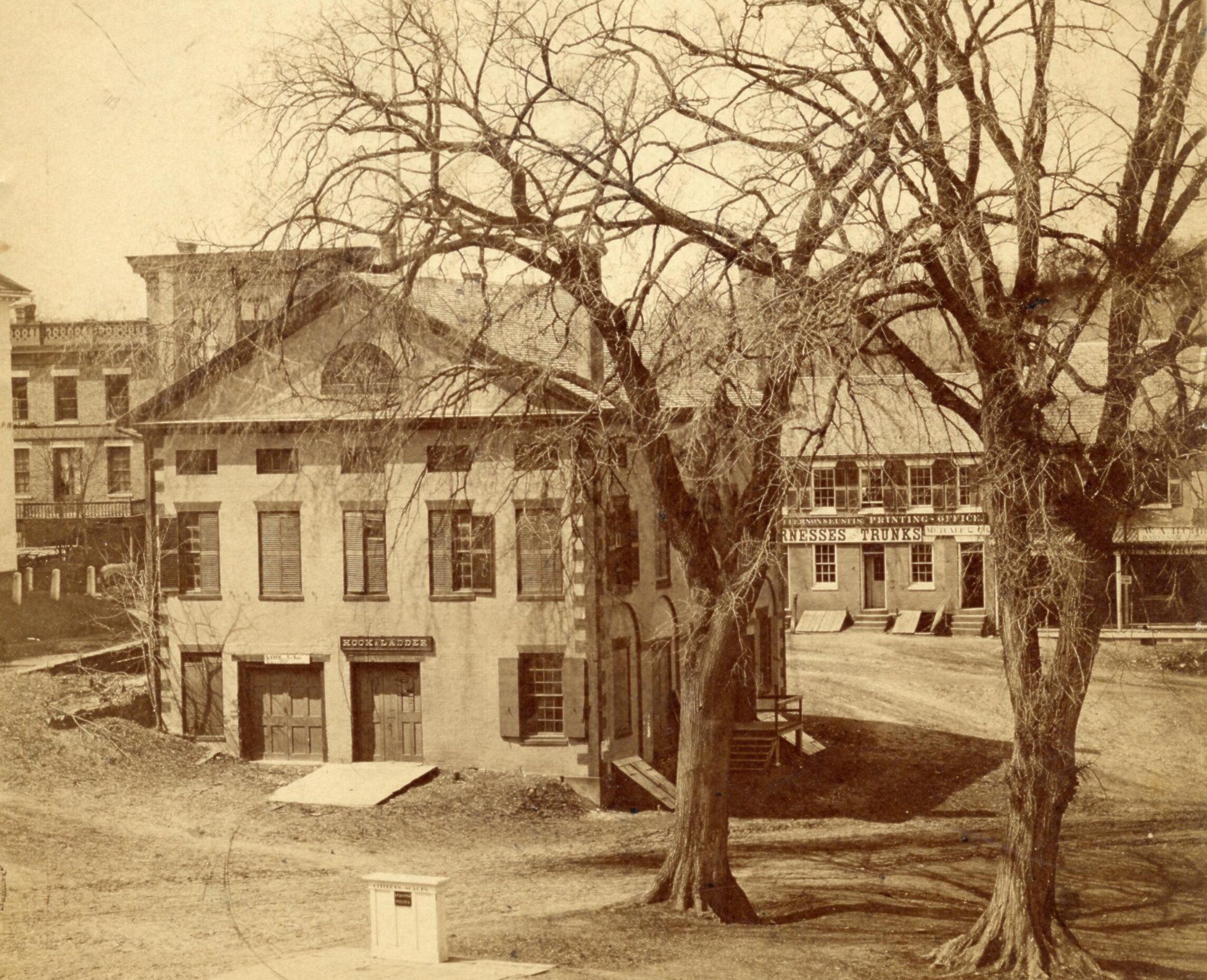
Early Fire Stations: Functionality and Flexibility
The roots of Northampton’s fire stations trace back to a time when fire apparatus was stored wherever space could be found. Before the construction of formal firehouses, equipment was housed in local landmarks, such as the basement of the old town hall and the First Congregational Church.
The Deluge Fire Company was based in the basement of the First Congregational Church and manned by farmers and laborers. The Torrent fire truck was kept in the basement of the old town hall and staffed by local merchants and clerks. Musters—events in which teams competed in tasks like pumping water or hitting targets—were common and brought community recognition to winning teams. This rivalry not only encouraged excellence but also reflected the unique identities of the neighborhoods and the social connections of their members.
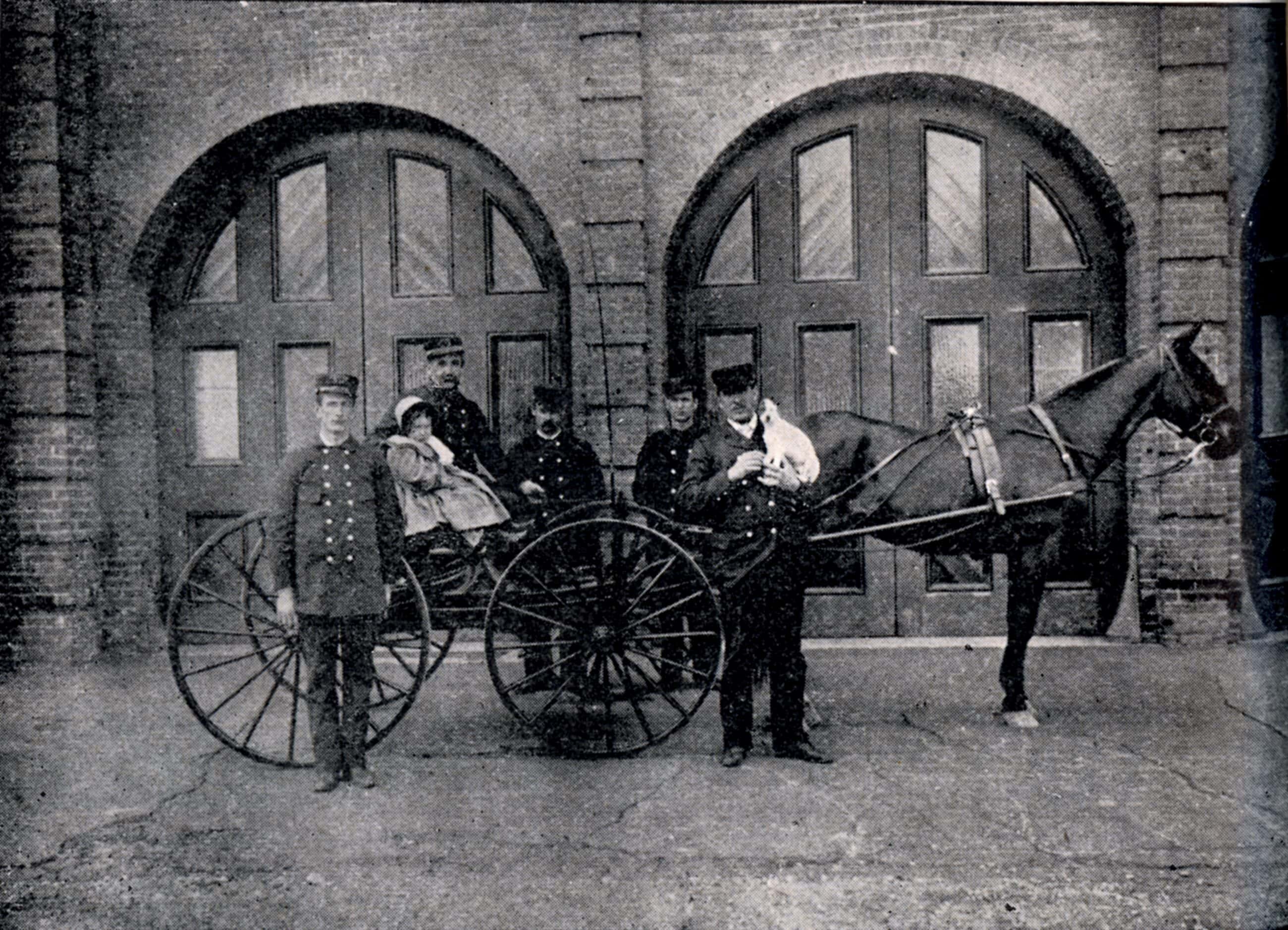
In 1853, Northampton introduced horse-drawn, mechanical steam-powered fire wagons, a technological leap that also necessitated more purpose-built facilities. Stations began incorporating stalls for horses, along with space to store wagons and equipment. Early designs such as the Bay State Fire Station, opened in 1864, and the Masonic Street Fire Station, built in 1872, exemplified these advancements.
A Community Landmark: The Masonic Street Fire Station
The Masonic Street Station, with its ground-floor police lockup and prominent hose tower, quickly became a central fixture of the downtown area. It was built at a cost of $12,000 and served as a cornerstone of Northampton’s firefighting efforts for over a century. Its central location and striking architecture—complete with a five-story hose tower—made it a landmark.
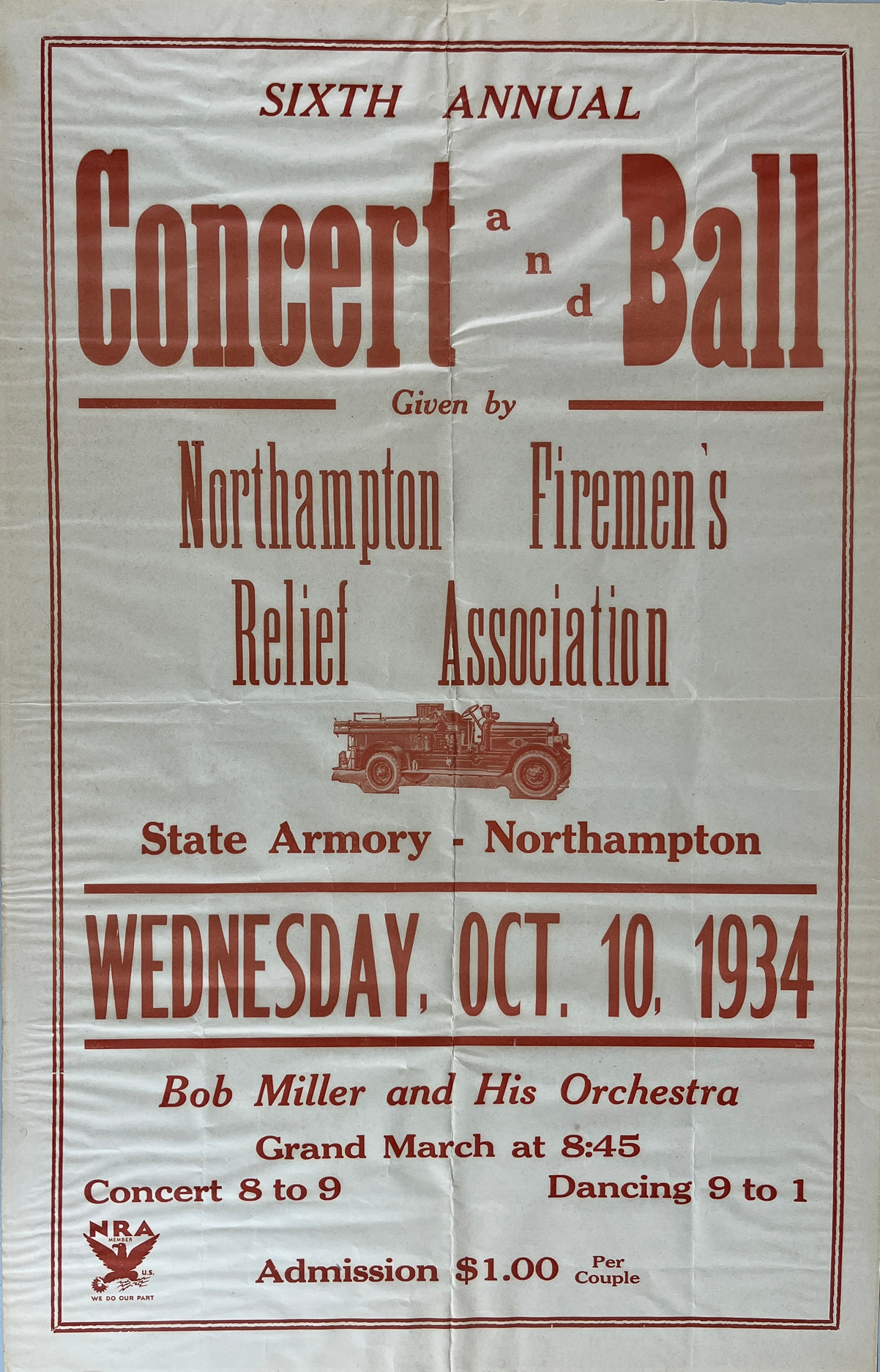
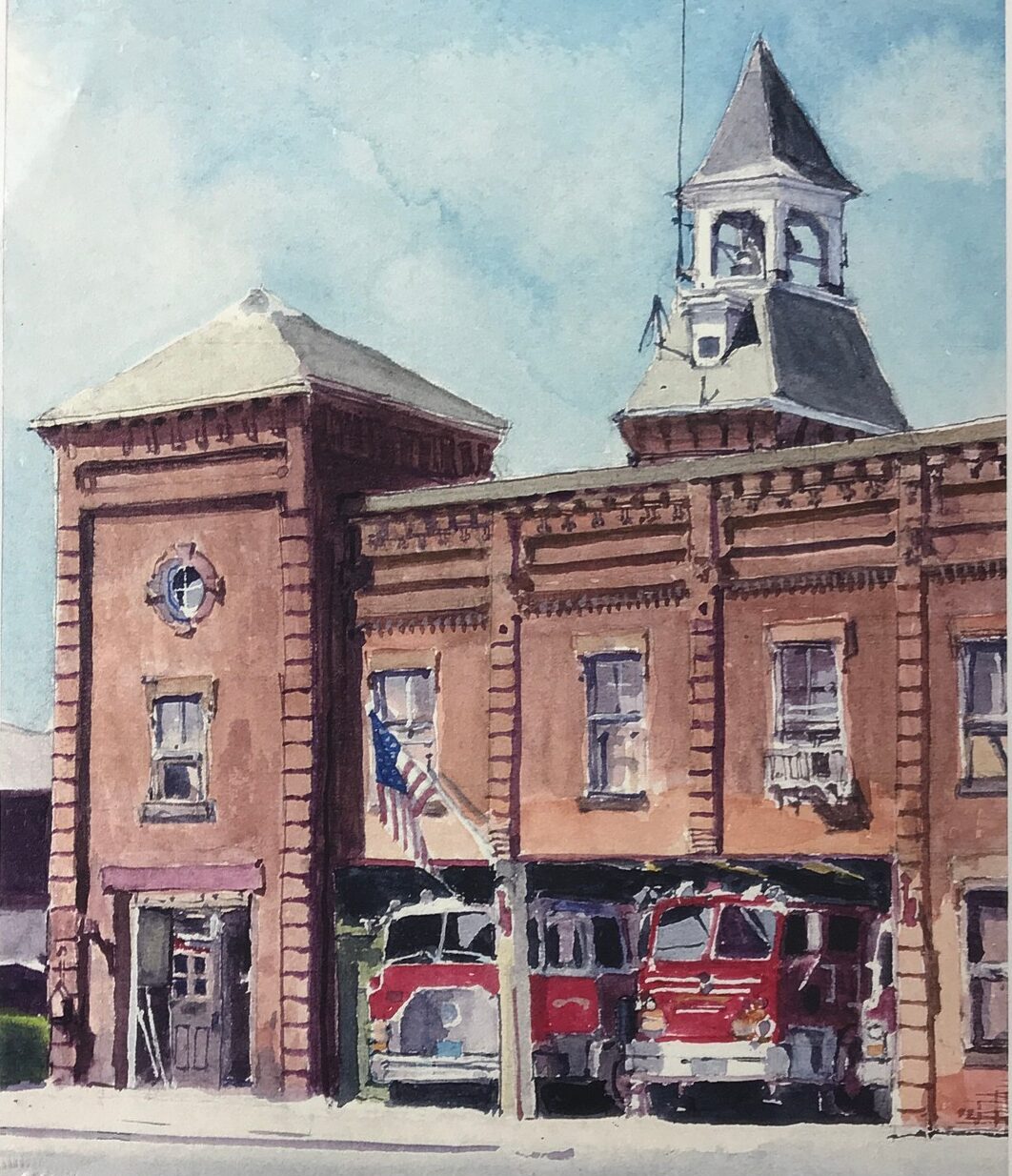
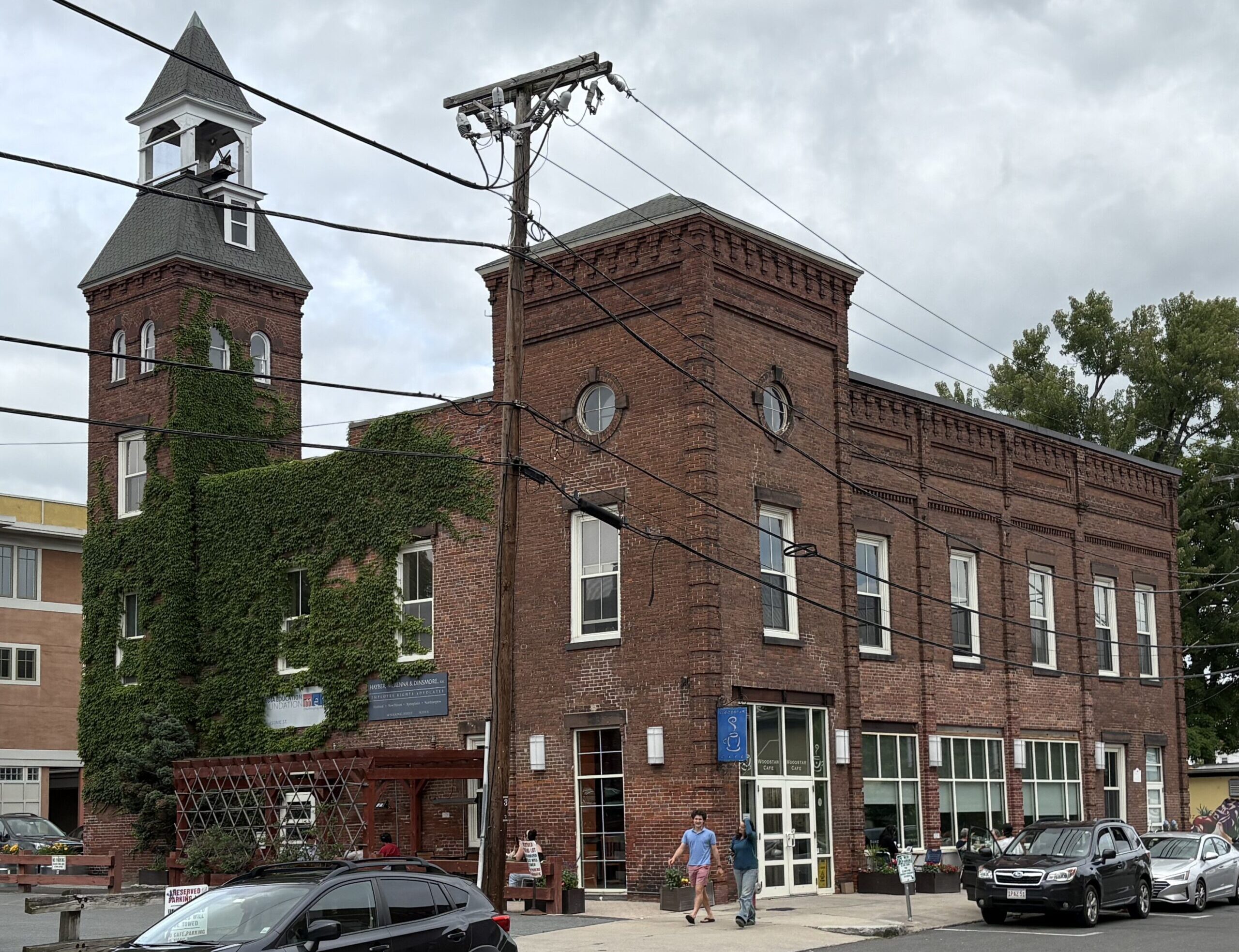
The station was designed to accommodate wagons, horses, and the firefighters themselves. As fire apparatus evolved from horse-drawn wagons to motorized vehicles, the station underwent modifications to keep up with changing needs.
Beyond its functional role, the Masonic Street Fire Station was a community icon. It hosted public events, such as the Firemen’s Memorial Day Parade, and served as a gathering place during emergencies. For generations, residents could count on the sight of fire apparatus rolling out from its narrow bay doors, ready to respond to the community’s needs.
Florence and Leeds: Neighborhood Fire Stations
Northampton’s fire protection extended beyond its downtown core with the establishment of neighborhood stations in Florence and Leeds. The Florence Fire Station, built in 1883, provided critical coverage for the growing industrial and residential area. It was replaced in 1972 with a modern facility designed to handle contemporary firefighting demands.
These smaller stations fostered a sense of local pride and identity. Firefighters were often members of the neighborhoods they served, creating close bonds with residents. Community events and parades frequently centered around these stations, further embedding them into the social fabric of Northampton.
Firehouses as Symbols of Change
The history of Northampton’s fire stations also mirrors broader societal changes. In the early days, firehouses were symbols of civic progress, showcasing the latest advancements in fire protection. Over time, they became sites for innovation and adaptation, such as the introduction of motorized fire engines under Mayor Calvin Coolidge’s administration in 1911.
By the 21st century, the fire department headquarters was moved to Carlon Drive and reflected the department’s expanded role, including emergency medical services and public safety initiatives.
A Living History
Northampton’s fire stations are more than just buildings—they are living symbols of the city’s history and values. They tell the story of a community that has grown and changed but has always prioritized safety, service, and connection.
Today, whether through the echoes of a historic bell tower or the sleek lines of a modern ambulance bay, these firehouses remind us of the vital role they continue to play in both protecting and uniting Northampton.
For more information, read the author’s book: Shanley, Joshua. Images of America: Northampton Fires and Firefighting. Arcadia Publishing, 2023.