Something We Said:Richard Pryor, a Notorious Word, and Me
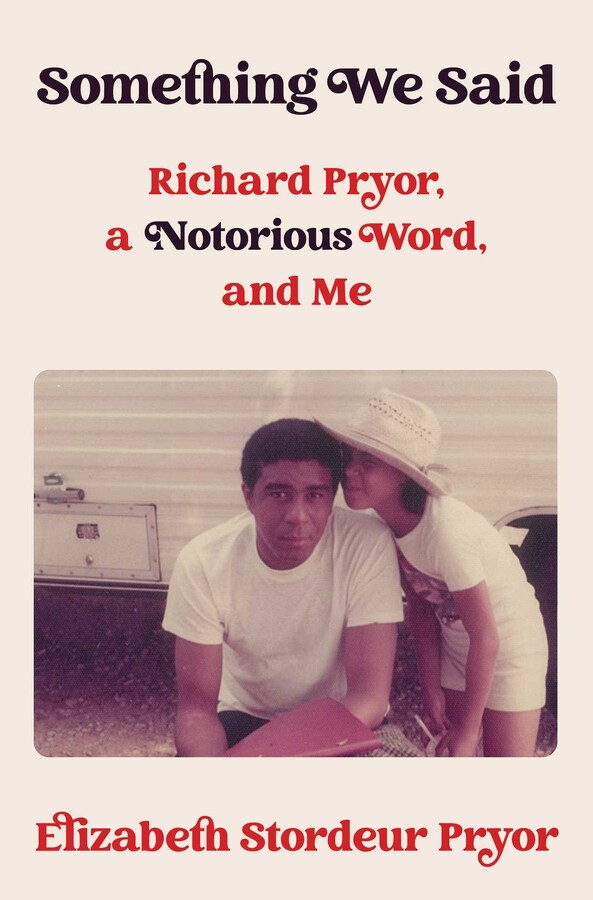
Cover of Something We Said: Richard Pryor, a Notorious Word, and Me by Elizabeth Stordeur Pryor, published by 37 Ink, an imprint of Simon and Schuster
Event Details
Elizabeth Stordeur Pryor, daughter of iconic comedian Richard Pryor and a professor at Smith College, will speak about her new book, Something We Said: Richard Pryor, a Notorious Word, and Me.
Recently chosen as one of the New York Times’ “Nonfiction Everyone Will Be Reading This Summer,” Pryor’s book is partly a memoir about growing up the Black Jewish daughter of Richard Pryor, but also an exploration of the historical and contemporary use of the N-word. Pryor is considered one of the leading scholars about the history of the N-word, one of the most perplexing words in the American lexicon and a word her father helped put on the pop culture map.
The conversation will be moderated by I’Maya Gibbs, a PhD candidate in the W.E.B. Dubois Department of Afro-American Studies at UMass Amherst.
A Q&A and book signing will follow.
About the Presenters
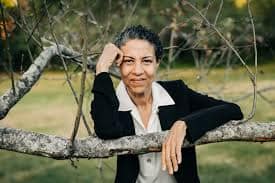
Elizabeth Stordeur Pryor is a professor of history at Smith College where she teaches courses on race, slavery, and her father, comedic legend Richard Pryor. She is the award-winning author of the article “The Etymology of [N-Word]: Resistance, Language, and the Politics of Freedom in the Antebellum North” and the 2016 book Colored Travelers: Mobility and the Fight for Citizenship Before the Civil War (UNC Press). Her viral TED talk on why it’s hard to talk about the N-word has been viewed more than two million times.
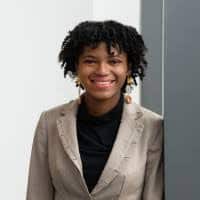
I’Maya Gibbs, originally from New Orleans, Louisiana, is now completing her PhD in the W.E.B. Dubois Department of Afro-American Studies at UMass Amherst. She received her B.A. in History and Theater from Case Western Reserve University. Her research interests include the intersections among Black artistry, identity, and political protest during the Black Arts Movement.