Indigenous Prophet of Democracy William Apess, King Philip, and the American Revolution
An Illustrated Lecture by Dr. Drew Lopenzina, Old Dominion University
Event Details
The Flex Space – Northampton Community Arts Trust building
33 Hawley Street
Northampton MA
Get directions
- Registration is required
- Sliding scale admission: $10 – $35
- MCC Card to Culture accepted
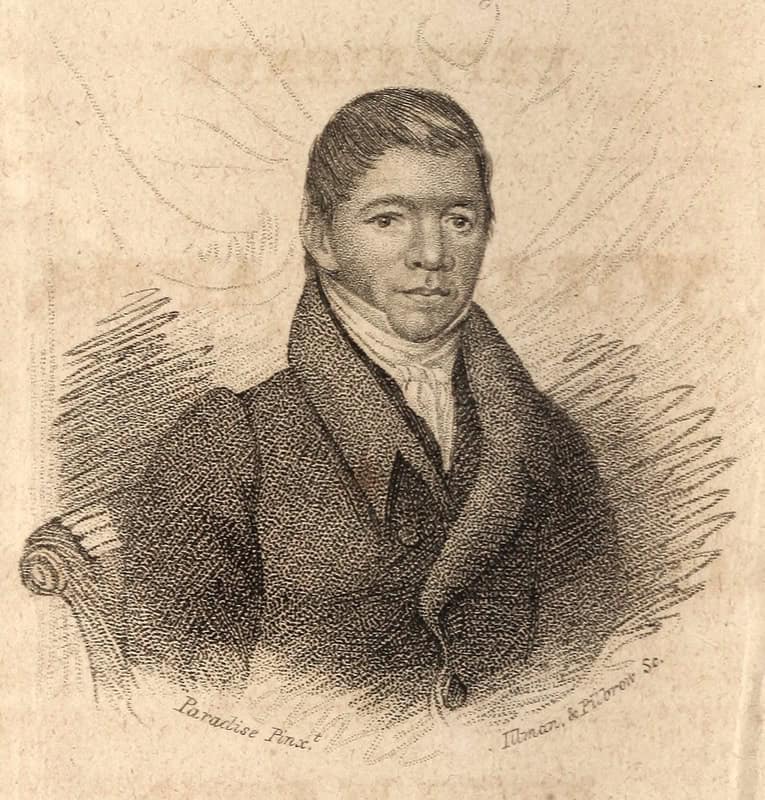
As part of our Native Strategies Project, Dr. Drew Lopenzina, of Old Dominion University, will host an illustrated lecture about the life William Apess, a Pequot minister.
In the aftermath of the American Revolution, white leaders of the new republic foresaw the demise of Indigenous nations, as prophesied in the vision of “manifest destiny.” Pequot minister William Apess, however, spoke to a different kind of historical prophecy, one that challenged the narrative of extinction of Indigenous people. In his writing, Apess called on the Indigenous memories of both King Philip’s War and the American Revolution to construct a radical new narrative that promised a sustained Native presence.
William Apess was one of the nation’s most important Native intellectuals. Born into poverty in Colrain, Massachusetts, in 1798, Apess moved to Connecticut where he was bound out as an indentured servant. At age 14, he joined the American Army and served in the War of 1812. He later became an itinerant Methodist minister and was a popular and controversial speaker in the Connecticut Valley and beyond. In 1829, he wrote the first published Native autobiography, A Son of the Forest. Throughout his life, Apess lectured on the traumas of the past and engaged in activism to improve the quality of life for Native people. He died in 1839 in New York City.
More on William Apess
In 1829, Apess published an autobiography, A Son of the Forest: The Experience of William Apes, A Native of the Forest. The second edition, was self-published by the author in 1831. Read A Son of the Forest, available on the Internet Archive.
About the Author
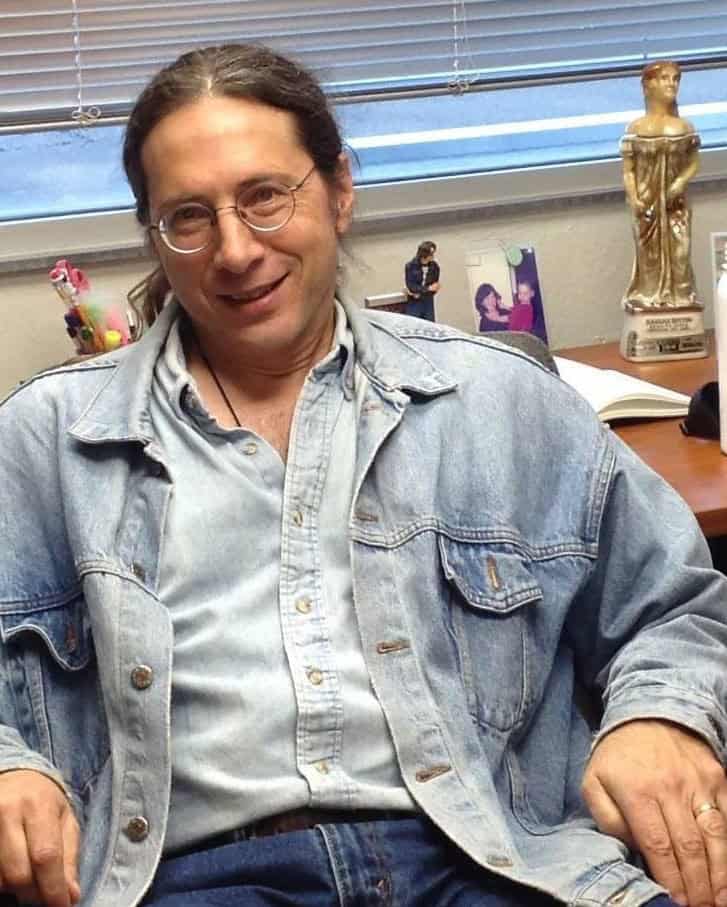
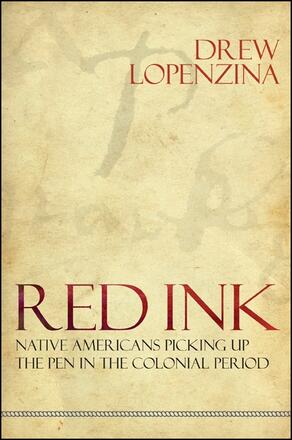
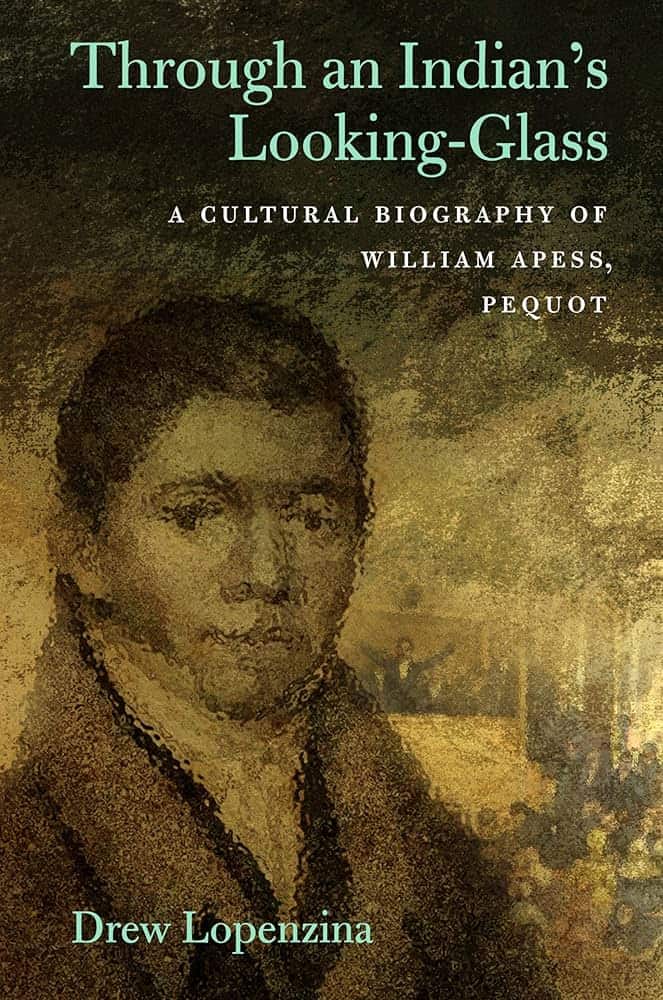
Drew Lopenzina is Professor of Early American and Native American Literature at Old Dominion University in Norfolk, Virginia. His book Red Ink: Native Americans Picking up the Pen in the Colonial Period (SUNY Press 2012) offers a vital rethinking of indigenous engagements with literacy in America’s colonial milieu, suggesting just how much of what we think we know about colonial literature is based on misunderstanding Native contributions. His second book, Through an Indian’s Looking-Glass: A Cultural Biography of William Apess, Pequot (UMass Press, 2017) is a cultural biography of the nineteenth-century Pequot activist, minister, and author William Apess.
The Native Strategies Project
The Native Strategies Project at Historic Northampton researches the life choices made by Indigenous families in Western Massachusetts amid the social and military chaos of the American Revolution. The project’s findings will be presented in essays, lectures, walking tours, and staged readings of two specially created plays.
The project is directed by Margaret Bruchac (Nulhegan Abenaki) and Jasmine Rochelle Goodspeed (Hassanamisco Nipmuc), with funding provided by a grant from Mass Humanities, which receives support from the Massachusetts Cultural Council and is an affiliate of the National Endowment for the Humanities, and by the SCP Foundation.