History of Historic Northampton
(Formerly Northampton Historical Society)
Origins to Incorporation: 1860s to 1905
The origins of the Northampton Historical Society are in three commemorations: the Civil War, the 1876 U.S. Centennial, and Northampton’s 250th celebration of the town’s 1654 founding.
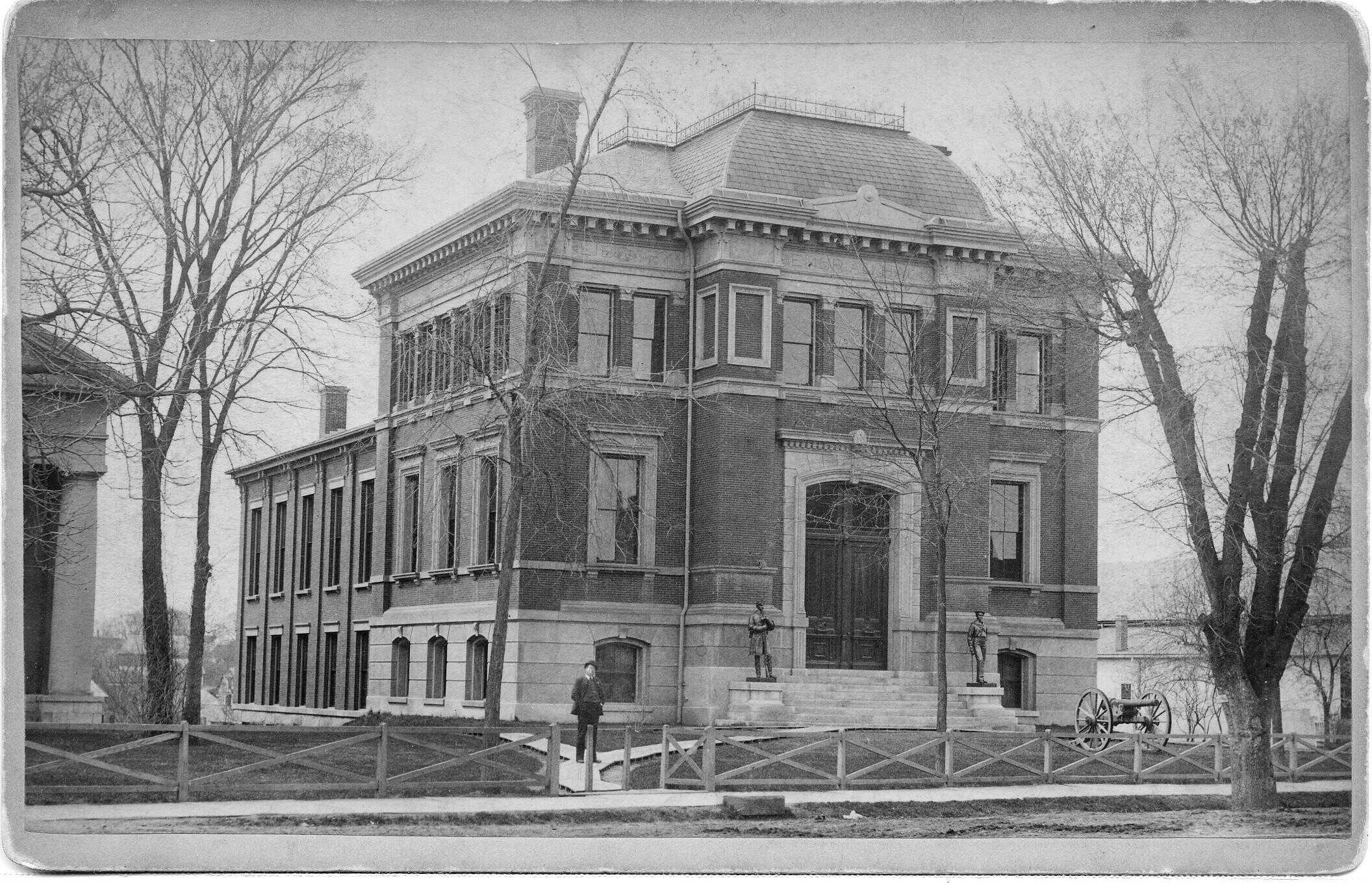
The end of the Civil War and the U.S. Centennial sparked an interest both in honoring town citizens who had died in battle and in collecting and displaying objects of Northampton history. In pursuit of this goal, Northampton initiated plans in 1869 to construct Memorial Hall on Main Street in the heart of downtown. The hall would commemorate the war dead as well as house a public library and museum displaying war memorabilia. Built with both public and private funding, the building opened in 1874
Just two years later, during the 1876 Centennial, a group of local citizens began collecting historical objects and documents related to the history of Northampton. These artifacts were displayed in public buildings around town until 1884, when they were moved to the third floor of Memorial Hall. Many residents had more items they wished to donate, but the museum couldn’t display them until 1887 when custom display cases were installed.
In 1903, a group of 340 residents petitioned the City to commemorate the 250th anniversary of the European settlement of Northampton in 1654. In addition to a parade and other events, the occasion was marked with an exhibition of hundreds of loaned objects which filled seven rooms in the James House on Gothic Street. In 1904, the Northampton Historical Society was formed to “preserve and exhibit objects of historical value and interest.” The society incorporated the following year, in 1905, as a private, non-profit organization.
In and Out of Memorial Hall
In 1915, the historical society sought to establish permanent headquarters on the third floor of Memorial Hall. They had barely settled in when the Exemption (Draft) Board took over the rooms, followed by the City Engineer and Board of Public Works, who had been displaced by renovations in City Hall. During World War I, the Hampshire County Chapter of the Red Cross occupied the main part of Memorial Hall and stored stretchers and other supplies in the third floor museum space. Throughout this period, the historical society voiced their desire to return the historic objects to Memorial Hall, but their return was delayed by roof leaks and other groups occupying the rooms. The building was renovated in 1923, and by the next year the museum exhibits were back in place in Memorial Hall.
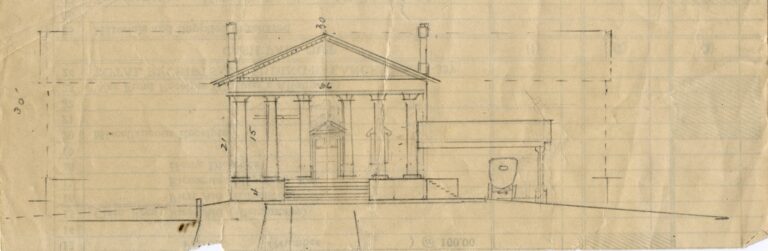
Thomas Munroe Shepherd, chair of the historical collections for the 1904 anniversary, died in 1923. In his will, he left his estate – the house at 66 Bridge Street, his personal and family belongings, and financial assets – for the formation of a historical museum he called the Shepherd Memorial Museum. His intention was to construct a classical Greek building to be built on the Shepherd House property behind the house, but visible from the street.
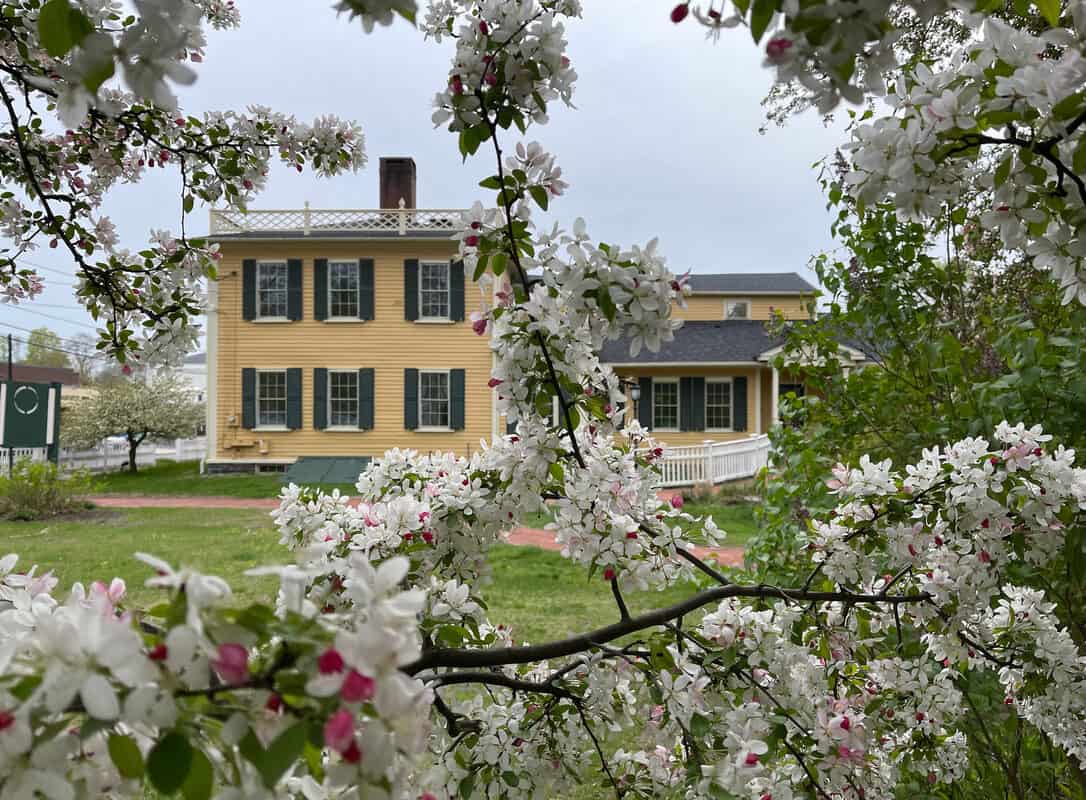
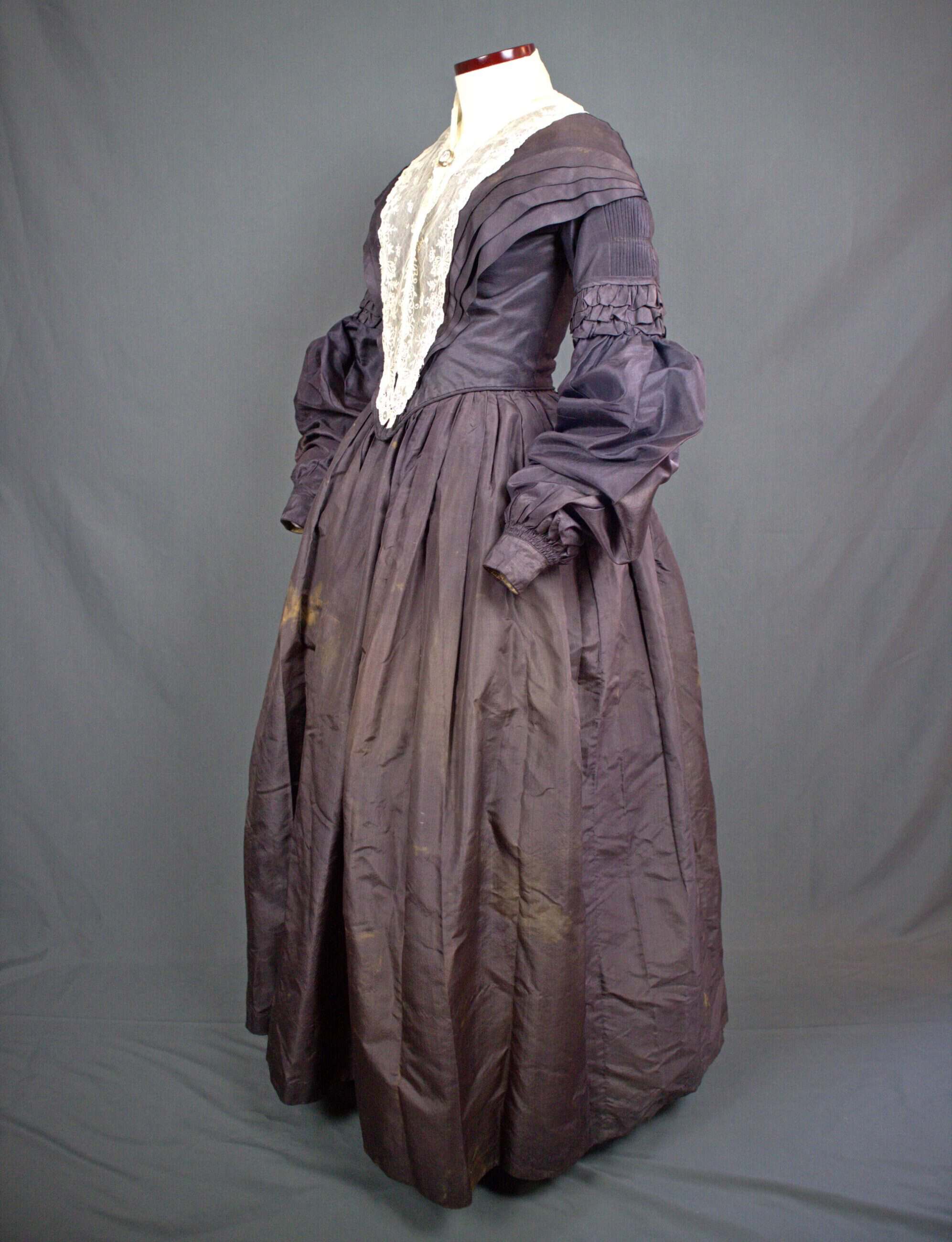
After his death, his wife of nine years, Edith Carpenter Shepherd, became closely associated with the Northampton Historical Society and in the 1940s convinced her two neighbors – Anna Catherine Bliss, co-owner of the Parsons house, and Jane Damon Smith, owner of the Damon house – to donate their family homes. Edith Shepherd also worked to acquire items of historical value from local families, in particular historic clothing belonging to local residents. When she died in 1969, the money in the Shepherd estate was not sufficient to construct the new museum building that Thomas had envisioned. The court directed the trustees to use the Shepherd’s house as a museum and establish the Shepherd Trusts to fund the activities of the Northampton Historical Society.
Relocating to Bridge Street
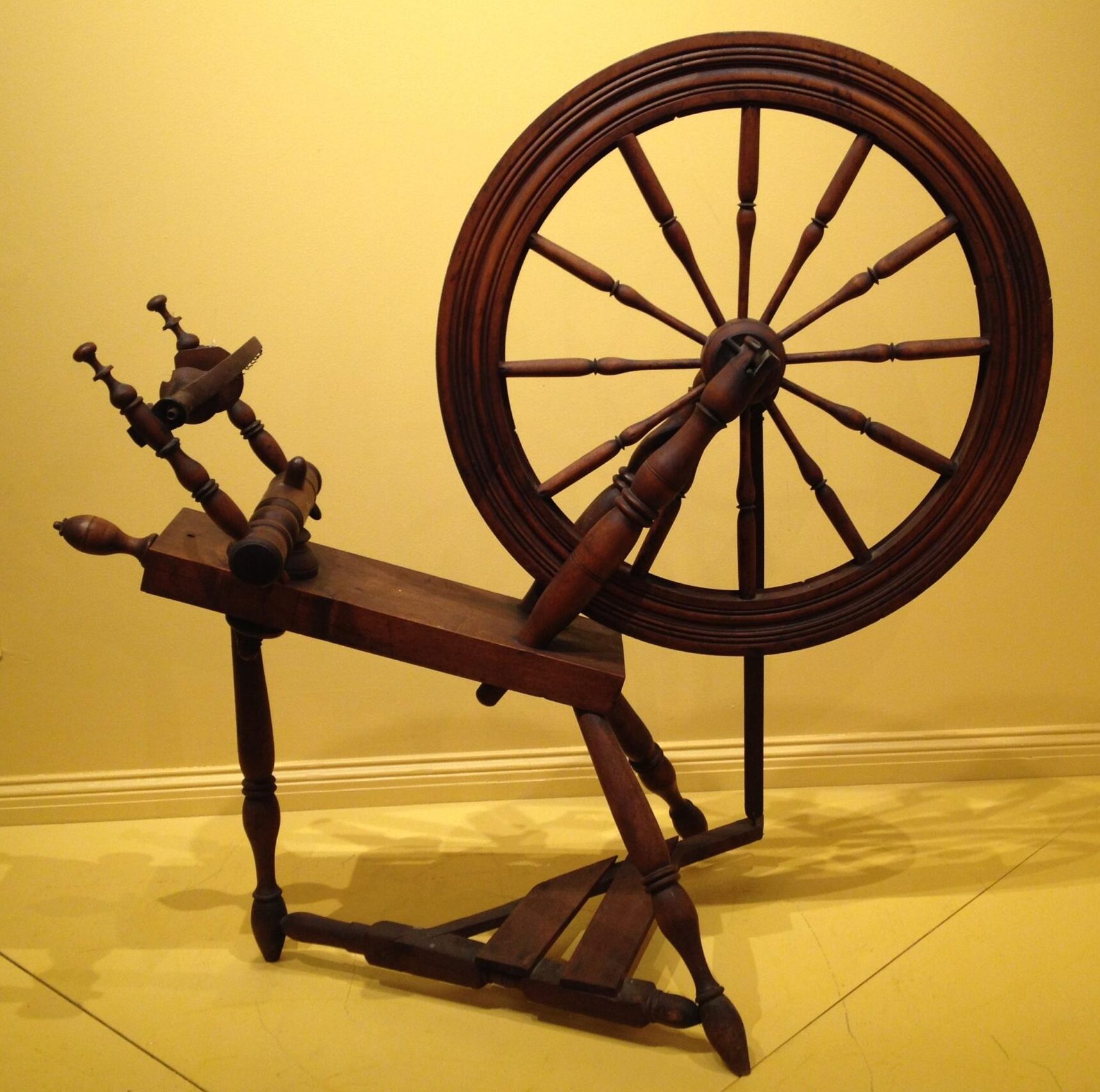
By the 1960s, the space in Memorial Hall was no longer available and the museum collection was moved out of Memorial Hall to the Bridge Street properties. Money earned from the Shepherd Trusts funded museum staff who, with volunteers, organized and exhibited collections. This generation unpacked trunks of clothing; catalogued furniture, paintings, toys, and household items; organized and catalogued photographs, ephemera, and archival documents; and set in place professional museum registration procedures. The museum’s clothing and textile collection became nationally recognized for its breadth and local provenance.
Renamed Historic Northampton
In the mid-1980s, the Damon Education Center was built as a modern addition to the Damon House to provide program and exhibition space. In 1989, the museum began doing business as Historic Northampton to avoid confusion with the Northampton Historical Commission, a city board established in 1973 to safeguard the City’s historical resources. In 2012, the museum’s name was officially changed to Historic Northampton.
In 2001, the Parsons, Damon, and Shepherd Houses and the Shepherd Barn were added to the National Register of Historic Places.
Historic Northampton continues to operate as a non-profit historical museum independent of city government. Its work is funded by contributions and by grants.